By Philippe Reclus
summary
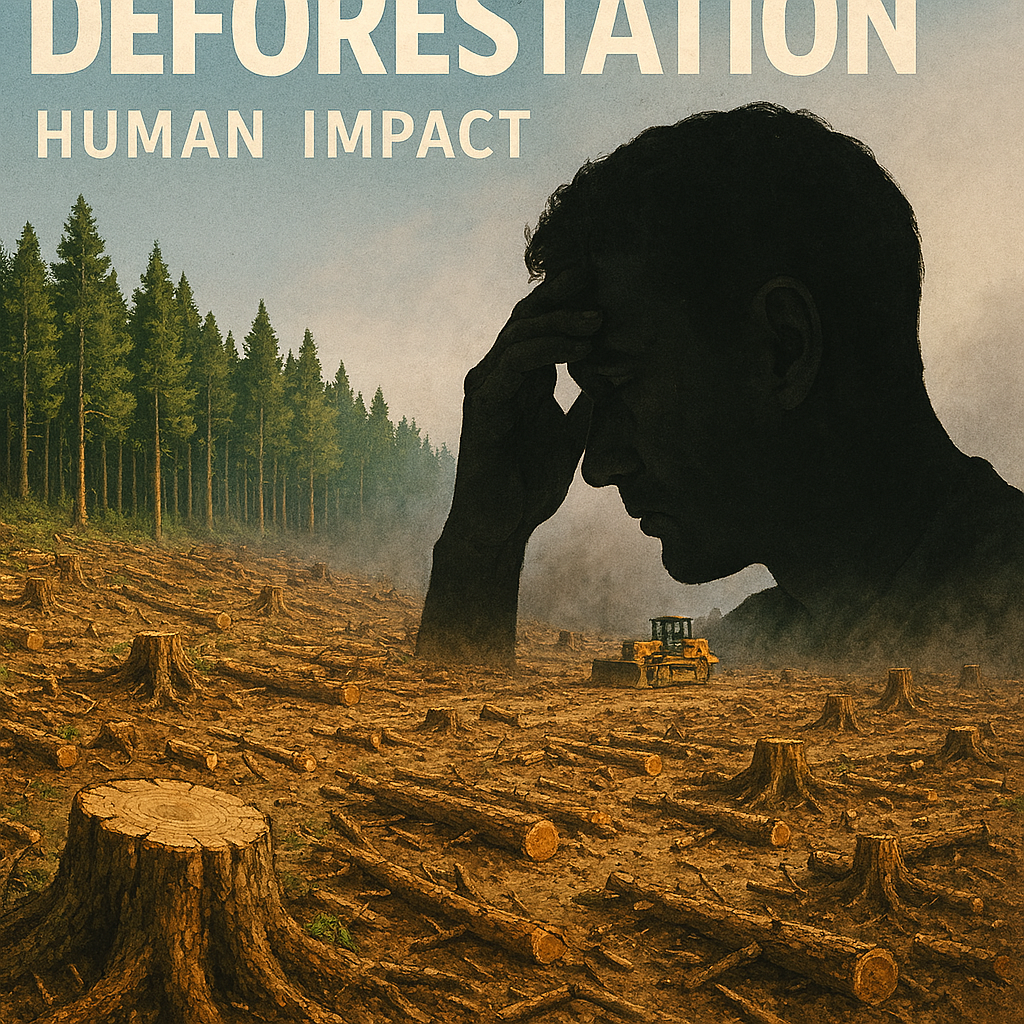
Deforestation, the large-scale removal of forest cover, poses a significant threat to global ecosystems, biodiversity, and climate stability. The historical practice of clearing forests for agriculture, urban development, and resource extraction has intensified over the past century, leading to alarming rates of forest loss, particularly in tropical regions. As a result, humanity’s awareness of its impact on deforestation has become increasingly urgent, with widespread implications for environmental sustainability and human livelihoods.
The drivers of deforestation are complex and multifaceted, including agricultural expansion, commercial logging, and infrastructure development, all of which disproportionately affect tropical and subtropical forests. These activities not only result in the loss of vital ecosystems but also exacerbate climate change and contribute to biodiversity loss, with an estimated 137 species going extinct daily due to habitat destruction.
Furthermore, the socioeconomic factors that perpetuate deforestation often involve local communities that depend on these resources for their livelihoods, highlighting a critical need for sustainable practices and enhanced awareness strategies.
Despite the overwhelming evidence of deforestation’s detrimental effects, a range of awareness strategies such as educational initiatives, community engagement, and technological solutions, are emerging to address this crisis. These efforts aim to inform individuals and communities about their ecological footprint and the importance of sustainable practices in mitigating deforestation. Grassroots movements, educational programs, and digital activism play pivotal roles in mobilizing public support and fostering a collective responsibility for forest conservation.
Nevertheless, the challenge remains to balance economic development with environmental stewardship. The complexities of global supply chains and local dependencies necessitate a comprehensive approach that includes policy reforms, innovative technologies, and respect for Indigenous rights and knowledge in order to effectively combat deforestation and its far-reaching consequences.
Historical Context
The practice of deforestation has deep historical roots, tracing back to the earliest human civilizations. Humans have long cleared forests for various purposes, including lumber extraction, agricultural land development, and urban expansion. For much of history, forests were perceived as inhospitable and dangerous, leading to a widespread belief that their clearing was part of a civilizing process. This perspective shifted dramatically by the late twentieth century, as the environmental consequences of deforestation gained significant attention. The depletion of forests, particularly tropical rainforests, began to raise alarms about its contributions to global warming and biodiversity loss. By the late 20th century, deforestation became a major global concern, largely due to the alarming rates at which tropical forests were being destroyed. A United Nations Food and Agriculture Organization (FAO) survey conducted in 2010 revealed that from 1990 to 2005, an average of 14.5 million hectares of forest were lost each year, with the majority of this deforestation occurring in tropical regions. The driving forces behind these changes are primarily human activities, notably agricultural expansion, which accounted for 40% of tropical deforestation between 2000 and 2010. This included the conversion of ecologically vital forest areas into land for grazing livestock and growing feed crops like soy and corn. Furthermore, the motivations and impacts of deforestation vary significantly by region. In the tropics, commodity-driven deforestation, especially for palm oil, soy, and beef production, has led to substantial forest loss, while forest degradation in temperate regions often stems from forestry practices and wildfire events. This historical context highlights the complex interplay of socio-economic factors that have fueled deforestation, illustrating the urgent need for awareness and action to address its implications for both ecosystems and humanity.
Causes of Deforestation
Deforestation is primarily driven by several interrelated factors that significantly impact forest ecosystems worldwide. The leading cause is agriculture, which has expanded aggressively to meet the food demands of a growing population. Poorly planned infrastructure development also contributes significantly to deforestation, facilitating access to previously untouched forest areas for logging and agricultural expansion.
Agricultural Expansion
Agricultural practices, especially in developing countries, have seen substantial growth, with crop and livestock production increasing at a rate of 3.3% to 3.4% per year from 1985 to 2004. While gross annual deforestation for agricultural uses represented only about 0.3% of the total agricultural area between 1990 and 2005, it is important to note that the productivity of cleared forest land is typically lower than that of previously cultivated areas. As a result, the reliance on deforestation to increase agricultural output has raised concerns about sustainability and biodiversity loss.
Logging Practices
Commercial logging remains a significant contributor to deforestation, particularly due to practices such as clear-cutting, where entire sections of forest are removed without considering future timber supplies. Although some reforestation efforts have been made, the replanted forests often lack the biodiversity of the original ecosystems, consisting primarily of a few fast-growing tree species rather than a diverse mix. This change leads to long-term ecological consequences, including soil degradation and habitat destruction for indigenous species.
Infrastructure Development
Infrastructure development, such as road construction, often precedes deforestation by providing access to remote forested areas. As logging and agricultural activities expand, roads facilitate further encroachment, leading to increased settlement and subsequent tree removal. While roads can aid in agricultural intensification and economic development, they can also exacerbate the pressure on forests if not managed with conservation in mind.
Socioeconomic Factors
The socioeconomic dynamics of local communities play a crucial role in deforestation. In many regions, local communities rely on deforestation for income generation, often linking their economic stability to the degradation of forested areas. Efforts to raise awareness about the connection between forests and climate change, along with building trust and capacity within these communities, are essential for transitioning to more sustainable practices that reduce pressure on forest landscapes.
Consequences of Deforestation
Deforestation has significant and far-reaching consequences that impact the environment, biodiversity, climate, and human communities. The removal of forests disrupts various ecological and social systems, leading to detrimental effects.
Environmental Impacts
Soil Degradation and Erosion
One of the most direct consequences of deforestation is soil degradation. Trees and plants anchor the soil with their roots, and their removal results in loose, unprotected soil that is susceptible to erosion by wind and water. This erosion can lead to landslides and flooding, making the land more vulnerable to these dangerous events. Furthermore, the loss of the nutrient-rich topsoil diminishes land productivity, reducing crop yields and increasing reliance on fertilizers to restore lost nutrients.
Disruption of the Water Cycle
Deforestation disrupts the water cycle by eliminating trees that play a crucial role in transpiration, the process of absorbing water from the soil and releasing it as water vapor into the atmosphere. This reduction in forest cover can lead to decreased rainfall and drier conditions, affecting local climates and increasing the likelihood of droughts and floods. The changes in water availability also impact rivers and lakes, altering water levels and flow patterns and introducing sediment and pollutants harmful to aquatic life.
Biodiversity Loss
Deforestation contributes significantly to the loss of biodiversity, with an estimated 137 species of animals, plants, and insects disappearing every day due to habitat destruction. Forests are home to around 80% of land-based plant and animal species, and their removal threatens these species’ survival. This decline not only affects individual species but also disrupts ecosystem services, which are essential for clean air, water, soil health, and food production. For instance, many crops rely on pollinators like bees and butterflies; their decline due to habitat loss directly impacts agricultural yields and food diversity.
Social Impacts
Effects on Indigenous Communities
Indigenous communities are particularly vulnerable to the consequences of deforestation, as many depend on forests for food, water, and materials for shelter. The destruction of forests disrupts their traditional lifestyles and cultural practices, often resulting in displacement and loss of identity as these communities are forced to leave their ancestral lands. The loss of resources leads to increased vulnerability, as these communities may struggle to find alternative means of sustenance and livelihood.
Economic Consequences
The economic ramifications of deforestation are profound, affecting global supply chains and local economies. As agricultural production declines due to soil degradation and changing weather patterns, food shortages may arise, leading to hunger and increased poverty in affected regions. Moreover, the loss of forests impacts industries reliant on timber and non-timber forest products, contributing to economic instability and job losses.
Awareness Strategies
Awareness strategies play a crucial role in informing individuals and communities about deforestation and its impact on the environment. These strategies aim to cultivate an understanding of ecological issues, promote sustainable practices, and inspire collective action toward environmental preservation.
Educational Initiatives
Educational programs are essential for fostering environmental consciousness. Schools and community organizations can host workshops and seminars that inform parents and students about sustainable practices and the importance of conserving natural resources. Tailored initiatives, such as the Scouting in Schools program, allow youth to explore the environmental impact of their daily choices, empowering them to make informed decisions. By integrating environmental education into curricula, schools can effectively teach students about biodiversity and the need for conservation, ultimately motivating them to engage in community-led efforts.
Community Engagement
Grassroots movements often leverage community organizing to raise awareness about deforestation and mobilize support for sustainability efforts. By building relationships within communities and identifying shared concerns, organizers can engage local residents through meetings, events, and direct action campaigns. Such strategies not only inform individuals but also foster a sense of collective responsibility for environmental stewardship.
Use of Technology
Technology plays a vital role in disseminating information and monitoring environmental changes. Digital platforms can be used to create educational content, engage with the press, and reach a wider audience through social media campaigns. Innovative solutions, such as using technology to monitor and manage forests, can also demonstrate the importance of conservation practices and inspire communities to take proactive measures.
Direct Action and Participation
Direct action initiatives encourage individuals to participate actively in environmental protection efforts. Activities such as community clean-ups and tree planting campaigns not only raise awareness but also allow participants to see the immediate benefits of their actions. By providing opportunities for hands-on involvement, these initiatives help solidify the connection between awareness and tangible change, motivating participants to continue their efforts beyond the event.
Building Alliances
Forming alliances with other organizations and movements can amplify the impact of awareness strategies. Collaborative efforts can pool resources, share expertise, and unite supporters around a common cause, thereby enhancing the effectiveness of outreach initiatives. Partnerships with established NGOs and community groups can also lend credibility to campaigns and broaden their reach, ultimately fostering a more informed and engaged public regarding deforestation issues. Through these awareness strategies, communities can develop a comprehensive understanding of the environmental challenges posed by deforestation, empowering individuals to advocate for and implement sustainable practices in their daily lives.
Technological Solutions
Technological interventions have emerged as vital tools in raising awareness and combating deforestation. These solutions range from advanced monitoring systems to platforms that promote sustainable practices among consumers.
Monitoring and Detection Technologies
Satellite Imagery and Remote Sensing
Advanced satellite imagery, including LiDAR and drone technology, provides real-time data on forest health, enabling precise monitoring of deforestation and forest fires.
The Global Forest Watch utilizes software that analyzes satellite imagery to detect changes in forest cover, allowing for immediate intervention against illegal logging activities. Such technology has the potential to identify even minor changes in forest areas, facilitating timely action from authorities to prevent further damage.
Acoustic Monitoring
Innovative solutions like Rainforest Connection utilize acoustic monitoring systems to detect illegal logging in real-time. This technology involves strategically placed cell phones in rainforests that capture the sounds of chainsaws, alerting conservationists to unlawful activities as they happen.
Consumer Awareness and Sustainable Practices
Mobile Applications and Online Platforms
Mobile applications and online platforms play a crucial role in educating consumers about the environmental impacts of their choices. These tools offer information on sustainable products, allowing consumers to make informed decisions and encouraging eco-friendly shopping behaviors.
Carbon footprint calculators help individuals understand their contributions to deforestation and identify areas for reduction in consumption-related emissions.
Gamification and Social Media
Gamification techniques and social media campaigns can effectively promote sustainable behaviors. By incentivizing pro-environmental actions, these platforms leverage social influence to encourage reductions in consumption and foster a culture of sustainability.
Circular Economy and Resource Management
Technology also supports the transition towards a circular economy, which is essential for forest conservation. Advanced recycling technologies enable the recovery of valuable materials from waste, while digital platforms facilitate the sharing and reuse of products, extending their lifespan and reducing resource depletion.
Blockchain technology enhances supply chain transparency, ensuring responsible sourcing of materials and tracking product lifecycles, which is critical for sustainable consumption practices.
Ethical Considerations
While technology offers powerful solutions for monitoring and addressing deforestation, it is essential to recognize the ethical dimensions of these interventions. Ensuring equitable access to these technologies is crucial, particularly for marginalized communities who are often most affected by deforestation but lack the resources to engage with advanced monitoring systems.
A holistic approach that combines technological solutions with policy interventions, education, and cultural changes is necessary for achieving meaningful progress in sustainability efforts.
Case Studies
Grassroots Movements and Community Action
Grassroots movements have emerged as pivotal players in raising awareness and prompting action against deforestation. These movements often begin with localized concerns but can escalate to influence broader policies at national and international levels. For instance, primary school children across various regions initiated awareness campaigns focused on the detrimental impacts of deforestation, showcasing how even young individuals can make significant contributions to environmental advocacy.
Indigenous Peoples and Their Role
Indigenous communities have long been at the forefront of forest conservation efforts. When their rights to traditional lands and self-determination are respected, evidence shows that forests are more likely to remain intact. Notable examples include the Waswanipi Cree in Northern Quebec, who are actively fighting to preserve their ancestral forests from industrial threats, and the Munduruku people in the Amazon, who are opposing a proposed mega-dam project that jeopardizes their environment and way of life. These cases underscore the importance of integrating Indigenous leadership and knowledge into conservation strategies.
Educational Interventions
Educational programs targeting youth have shown promise in generating awareness about environmental issues, including deforestation. For example, a quasi-experimental study conducted in Laotian upper secondary schools implemented an environmental health education program, yielding positive outcomes in student engagement and knowledge retention. This highlights the effectiveness of incorporating environmental education into school curriculums to foster a culture of sustainability among the younger generation.
Multi-Stakeholder Interventions
While multi-stakeholder interventions aim to unify various actors for effective environmental governance, their impact can be variable. In some cases, improper implementation has led to perpetuation of inequitable power dynamics, highlighting the need for careful planning and execution. However, successful examples exist where collective action, such as the Forest Tenure Funders Group, has mobilized substantial funding for sustainable initiatives, demonstrating the potential of collaborative approaches in addressing deforestation challenges.
Digital Activism
Digital activism has become a powerful tool for grassroots movements, amplifying their messages and expanding their reach. Campaigns that leverage social media have successfully brought attention to critical issues such as indigenous rights and environmental justice, influencing public opinion and policy discussions on deforestation and conservation. By utilizing modern communication tools, these movements can engage a wider audience, fostering a collective commitment to sustainable practices and policies.
Personal Narratives
Personal narratives play a crucial role in raising awareness about deforestation and its impacts, as they provide relatable and compelling accounts of individuals and communities directly affected by environmental changes. Through these stories, the urgency of taking action against deforestation is underscored, making the issue more tangible for a wider audience.
Community Engagement
One effective way to engage communities is through storytelling initiatives that highlight the voices of local residents living near forests. For example, youth-led projects have successfully documented personal experiences related to forest conservation, which not only empower young people but also foster a deeper connection between community members and their natural surroundings. These narratives often feature hands-on conservation efforts where participants, such as school children, engage in activities like tree planting and clean-up campaigns, demonstrating the direct impact of their involvement on both the environment and their community’s well-being.
Educational Campaigns
Educational campaigns often utilize personal stories to amplify their message. For instance, during Arbor Day, students created flyers with practical tips for tree protection and produced Public Service Announcements (PSAs) that communicated the importance of rainforests and the dangers of deforestation. These initiatives enabled students to share personal insights and motivations, thus encouraging broader community participation and raising awareness about sustainable practices. Such grassroots movements, driven by personal narratives, help foster civic engagement and encourage local action against environmental degradation.
Indigenous Voices
The stories of Indigenous Peoples are particularly powerful in the context of deforestation awareness. Initiatives like those supported by Skoll partner If Not Us Then Who? utilize film and photography to elevate Indigenous voices, shedding light on land tenure issues and the crucial role these communities play in forest management. By sharing their experiences and struggles, these narratives not only increase awareness but also generate popular support for policies aimed at protecting Indigenous land rights and sustainable forest management.