
By Philippe RECLUS
If you think of the Earth as a giant spaceship, food management takes on a very special dimension.
Here are a few reasons why it is crucial to manage access to food on Spaceship Earth:
– Growing population: just as a spaceship has to supply its crew, Spaceship Earth has to feed an ever-growing global population. Poor management of global food resources can lead to shortages, famine and conflict.
– Climate change: climate change is disrupting food production systems, leading to droughts, floods and extreme weather events. Effective management of food resources is essential to adapt to these changes and ensure food security.
– Inequalities: access to food is not equitably distributed around the world. Millions of people suffer from hunger or malnutrition, while others waste large quantities of food.
– Biodiversity: species diversity is essential for maintaining healthy and productive ecosystems. Intensive and unsustainable agriculture can lead to the loss of biodiversity, which affects food production in the long term.
Ultimately, properly managing access to food on Spaceship Earth means :
– Ensuring food security for all the inhabitants of Spaceship Earth.
– Preserving natural resources for future generations.
– Combating climate change and its impact on agriculture.
– Reducing inequalities in access to food.
– Protect biodiversity and ecosystems.
By adopting sustainable farming practices, reducing food waste and supporting fair and effective food policies, we can help build a more sustainable future for Spaceship Earth.
The Earth is like a spaceship, so how can we manage access to enough quality food in a fair way?
By Philippe RECLUS

The question of equitable access to quality food on Earth, compared to a spaceship, raises complex issues affecting agriculture, distribution, politics and the economy on a global scale.
The challenges:
– Food production: producing enough quality food to feed a growing world population, while preserving natural resources and adapting to climate change.
– Distribution: once produced, food must be distributed fairly, which means reducing food loss and waste, improving infrastructure and transport systems, and tackling socio-economic inequalities.
– Quality: food must be healthy and nutritious, which requires high standards of production and processing, as well as access to drinking water and healthcare.
– Sustainability: we need to adopt sustainable farming practices to preserve soil, water and biodiversity, and reduce the ecological footprint of food.
Possible solutions:
– Sustainable agriculture: promote organic farming, permaculture, agroecology and other practices that promote soil health and biodiversity.
– Reducing food loss and waste: improving storage, transport and distribution practices, stopping supermarkets from grading fruit and vegetables, raising consumer awareness of the importance of reducing food waste.
– Access to land and seeds: guaranteeing fair access to land and seeds for small producers, particularly in developing countries.
– Support for family farming: supporting small producers by providing training, credit and infrastructure.
– Improving distribution systems: investing in transport and storage infrastructure, developing local markets and short distribution channels.
– Public policies: Implement public policies that promote healthy and sustainable food, by regulating food production and distribution, supporting research and innovation, and educating consumers.
– International cooperation: strengthening international cooperation to share knowledge and technologies, and to tackle cross-border issues such as climate change.
In conclusion, ensuring equitable access to quality food on Earth is a major challenge that requires a global and multidisciplinary approach. We need to transform our food systems to make them more sustainable, fairer and more resilient to the challenges of the future.
How to ensure sufficient food for all humanity with climate change?
By Philippe RECLUS

Climate change poses a significant threat to global food security, impacting agricultural productivity and exacerbating existing vulnerabilities in food systems. As weather patterns become increasingly erratic, farmers face challenges such as droughts, floods, and changing growing seasons, complicating their ability to produce enough food for a growing population. The impacts of these changes are particularly acute in developing regions, where reliance on rain-fed agriculture puts communities at risk of crop failure and economic instability. Addressing the interrelated challenges of climate change and food security is essential to ensuring that all humanity has access to reliable and nutritious food. Notable strategies include adopting sustainable agricultural practices, improving water management systems, and investing in climate-resilient crops. Policy makers play a critical role in supporting these initiatives, emphasizing the need for coordinated action between governments, NGOs, and local communities to create resilient food systems.
Key controversies surrounding this issue include the debate over the environmental impacts of traditional agricultural practices, the role of international trade in food security, and social barriers to equitable access to resources. Critics argue that current agricultural models often prioritize short-term returns over long-term sustainability, contributing to land degradation, biodiversity loss, and greenhouse gas emissions.
In addition, socioeconomic disparities, such as gender norms and land insecurity, exacerbate food insecurity, particularly among vulnerable populations.
Addressing these challenges requires a multidimensional approach that integrates agricultural innovation, policy reform, and community engagement. Global initiatives and collaborations aim to promote sustainable practices and strengthen food systems against the adverse effects of climate change, emphasizing the urgency of this issue for future generations.
Climate change and its impacts on agriculture
Climate change is having a significant impact on agriculture, forcing farmers to adapt to increasingly unpredictable weather patterns and extreme conditions. Changes such as atypical winter snow cover, excessive summer heat, and erratic rainfall have created serious challenges to agricultural productivity and sustainability. In regions where irrigation was historically unnecessary, farmers are now required to implement artificial irrigation systems due to insufficient rainfall, while others face the risk of flooding and subsequent crop destruction due to excessive moisture.
Temperature and precipitation variability
Rising temperatures and changing precipitation patterns are expected to negatively impact agricultural productivity. While some regions may experience longer growing seasons or the opportunity to grow new crops, many regions will experience increased biotic stresses and adverse climate events, complicating agricultural practices. For example, livestock production is particularly vulnerable to extreme temperatures, which can lead to stress and reduced productivity.
Soil and Water Quality Concerns
Heavy rainfall contributes to increased runoff, carrying nutrients, fertilizers, and pesticides into nearby water bodies. This runoff can negatively affect water quality and lead to hypoxia, a condition that depletes oxygen levels in aquatic ecosystems, endangering marine life and affecting coastal economies. In addition, the effects of climate change on soil quality, through erosion, desertification, and salinization, complicate land management and reduce the amount of arable land available for food production.
Economic Implications
The economic ramifications of climate change on agriculture are particularly pronounced in developing regions, where increasing temperatures can significantly reduce farm incomes from rain-fed agriculture. In regions that rely on seasonal rainfall, such as Central America and Mexico, erratic rainfall has led to crop failures and economic instability for subsistence farmers who lack irrigation systems.
Adaptation strategies
To mitigate these challenges, there is an urgent need to develop climate-resilient agricultural practices. This includes the introduction of drought-tolerant crop varieties, improved water management techniques, and sustainable agricultural practices that improve soil health and conserve resources. Policymakers play a crucial role in supporting these adaptations, which are essential to ensuring food production in the face of climate change.
Strategies for ensuring food security
Ensuring food security in the face of climate change requires a multidimensional approach that addresses both environmental and socio-economic challenges. The following strategies are essential to creating resilient food systems that can support all communities, especially the most vulnerable.
Improving agricultural practices
Sustainable agriculture
Sustainable agriculture plays a crucial role in meeting society’s basic needs for food and textiles, while preserving the environment for future generations. Key goals include maintaining environmental health, pursuing economic profitability, and social equity.
Practices such as crop rotation, organic farming, and agroforestry promote biodiversity and improve resilience to climate variability.
For example, crop rotation helps prevent pest problems and soil degradation, while agroforestry integrates trees and shrubs into agricultural landscapes, improving ecosystem health and productivity.
Climate-resilient practices
Equipping local farmers with the training and resources to adopt climate-resilient agricultural practices is essential to combating the impacts of climate change. These include introducing drought-tolerant crop varieties and promoting agroecological methods.
By improving soil health through organic farming techniques, communities can improve their agricultural resilience and ensure more stable food production despite changing climate conditions.
Strengthening food systems
Policy and community engagement
Collaboration among stakeholders, governments, NGOs, and local communities, is essential to developing comprehensive food security strategies. Initiatives such as Feed the Future and the Famine Early Warning Systems Network (FEWS NET) aim to build resilient food systems by supporting agricultural innovation and providing critical analyses of food insecurity.
Public policies should focus on equitable access to food, strengthening local food systems, and promoting partnerships that foster community engagement.
Investing in resources
Unlocking the capital needed to transform food systems is essential. Investments in infrastructure, technology, and education can strengthen food security efforts. Financial incentives for sustainable practices and research into innovative agricultural techniques are essential to improve food production and availability.
In addition, promoting cooperative networks among farmers can reduce costs and improve access to larger markets, thereby strengthening food systems.
Addressing socio-economic challenges
Comprehensive solutions
Food security cannot be achieved through agricultural practices alone; socio-economic disparities that lead to food scarcity must also be addressed. Vulnerable communities are often trapped in cycles of poverty that exacerbate food insecurity. Therefore, solutions must be comprehensive and address environmental and economic challenges to break these cycles.
Economic empowerment, education, and community development programs are essential to creating a stable food environment for all.
Resilience to climate impacts
Finally, it is imperative to build resilience to climate impacts through sustainable land management and conservation efforts. These practices help mitigate negative impacts on food production and protect eserve critical habitats, ensuring the long-term sustainability of food systems under changing climate conditions.
By prioritizing these strategies, we can work towards a future where all people have reliable access to safe, nutritious and affordable food.
Strengthening adaptation and resilience
Adaptation and building resilience are essential elements to address the challenges posed by climate change, particularly for smallholder farmers. The Intergovernmental Panel on Climate Change (IPCC) defines resilience as the capacity of a system to anticipate, absorb, adapt to, or recover effectively from hazardous events, thereby ensuring the preservation and restoration of essential functions. To strengthen the resilience of agricultural systems, the United Nations Framework Convention on Climate Change (UNFCCC) has identified six essential steps: raising awareness, conducting climate risk assessments, developing and implementing strategies, mobilizing resources, monitoring progress, and facilitating knowledge sharing.
The Vulnerability-Resilience Nexus
Understanding the vulnerability-resilience nexus is essential to creating effective adaptation strategies that support food and nutrition security. Vulnerability is characterized by three dimensions: exposure, sensitivity, and adaptive capacity. However, it is crucial to recognize that vulnerability is context-specific and varies among smallholder farmers depending on their geographic location, agricultural practices, and available resources. As highlighted in the Sharm El-Sheikh Adaptation Agenda endorsed at COP27, there is an urgent need to achieve more than 30 global adaptation targets by 2030 to improve the resilience of an estimated 4 billion people.
Strategies for building resilience
Education and awareness-raising
Investing in education and training is essential to equip farmers with the knowledge needed to adopt sustainable practices. Improving access to education influences decision-making, enabling farmers to understand the benefits of sustainable agriculture, such as intercropping, integrated pest management, and soil conservation. In addition, education promotes information exchange between farmers and stakeholders, which is essential to promote sustainable agricultural practices.
Sustainable practices and biodiversity
Sustainable agriculture that prioritizes biodiversity can significantly improve ecosystem resilience. Biodiversity increases an ecosystem’s stability and its ability to recover from environmental stressors such as climate change and pests. By preserving genetic resources and promoting species diversity, agricultural systems can develop crops and livestock that are better adapted to environmental changes.
Collaborative approaches
Building resilience requires a collaborative effort between the humanitarian and development sectors. Initiatives such as Feed the Future 2.0 focus on building community resilience to shocks that can lead to famine and unrest, by fostering partnerships to improve food security. In addition, addressing the links between climate change, food insecurity and peace is essential, as these issues often exacerbate each other, requiring a multidimensional response.
Technological innovations
The strategic integration of innovative technologies can contribute to resilience efforts, particularly in terms of cost-effectiveness. Although the initial costs can be high, these technologies can save money in the long term and improve agricultural practices. Farmers need access to relevant technologies and information to effectively implement sustainable methods, further highlighting the importance of education and resource mobilization.
Global initiatives and programs
Global initiatives and programs play a crucial role in addressing the challenges posed by climate change to food security. These collaborative efforts aim to harmonize policies, share resources, and promote sustainable agricultural practices across borders.
International cooperation and policy development
International cooperation is one of the key ways to foster effective responses to climate change in agriculture. Global collaboration p facilitate the formulation of unified policies and regulations that prioritize sustainable agriculture and climate change mitigation. International agreements and conventions provide a platform for nations to set common goals and hold each other accountable for their commitments, enabling the global community to drive change and encourage more ambitious climate and agricultural policies.
Pooling resources and financial support
Since the impacts of climate change do not respect national borders, substantial resources are needed for its mitigation. Through international cooperation, countries can pool their resources to invest in sustainable agricultural practices, research and development, and infrastructure improvements. This includes funding initiatives such as precision agriculture, agroforestry, and water-efficient irrigation systems, ensuring higher returns on investment and broader impacts globally. In addition, the establishment of a Sustainable Development Goals (SDGs) recovery plan aims to provide affordable financing for sustainable development and climate action, which will particularly benefit developing countries struggling with high living costs and unsustainable debt levels.
Market access and trade
Global collaboration also enables countries to develop coherent policies and standards for sustainable agriculture and climate-friendly practices. By harmonizing regulations, countries can facilitate market access for agricultural products, promote fair trade, and strengthen economic stability among participating countries. In addition, cross-border partnerships can build resilience to climate-induced market fluctuations, creating a more stable and secure food supply chain.
Notable organizations and initiatives
Several international organizations and initiatives are playing a key role in promoting sustainable food systems and climate action:
• Food and Agriculture Organization of the United Nations (FAO): Working in more than 130 countries, FAO leads international efforts to end hunger and improve food and agriculture systems. Their initiatives, including the Global Roadmap launched at COP28, are charting pathways for investors and policymakers to mitigate the environmental impacts of food systems.
• United Nations World Food Programme (WFP): As the world’s largest humanitarian organization, WFP operates in more than 120 countries, providing food to people in need while addressing climate action and building resilience.
• Global Alliance for Climate-Smart Agriculture: This initiative focuses on integrating agriculture into climate action and provides guidance on climate-smart agricultural practices to improve food production while minimizing environmental impact.
• Food Systems for the Future: This organization envisions a world free of malnutrition through equitable access to sustainable food systems, emphasizing the need to invest in food systems transformation and humanitarian responses. These initiatives underscore the importance of coordinated international efforts to ensure food security while addressing the pressing challenges posed by climate change.
Challenges and Obstacles
The quest to ensure sufficient food for all humanity in the face of climate change presents many challenges and obstacles. These obstacles are multidimensional and affect agricultural practices, trade policies, and social frameworks.
Environmental Impacts of Agriculture
Animal agriculture contributes significantly to environmental degradation, including pollution, greenhouse gas emissions, and biodiversity loss.
The vast resources required to raise livestock, such as land, water, and food, place a significant burden on ecosystems. Furthermore, agricultural practices that do not prioritize sustainability can exacerbate climate-related problems, such as water scarcity and desertification.
Therefore, there is an urgent need to identify and address environmentally harmful subsidies in agricultural policies in order to create a more sustainable food production system.
Limits to trade and policies
International trade plays a role complex in food security and environmental sustainability. While trade is essential to meet caloric needs, particularly for the 80% of the world’s population living in net food-importing countries, it can also intensify environmental challenges if left unregulated.
Agricultural markets are relatively thin, with only 23% of production traded internationally, indicating that many staple foods remain vulnerable to localized supply shocks and climate-induced production shortfalls.
The need for coherent trade policies that align with sustainability goals is clear, but achieving this requires addressing diverse interests and potential trade-offs.
Social and institutional barriers
Social barriers, such as gender norms and land tenure issues, create significant barriers for farmers, particularly in developing regions. Insecure land tenure can hamper farmers’ ability to invest in sustainable practices.
In addition, the lack of infrastructure, such as roads, markets and storage facilities, further complicates efforts to implement effective agricultural strategies.
Reliance on informal institutions for policy coordination is often insufficient, as competition between bureaucratic entities can lead to fragmented approaches, hampering the desired outcomes of sustainability initiatives.
Financing and investment challenges
Investment in agricultural research and development (R&D) is essential to foster innovation and improve food security. However, public spending on agricultural R&D has declined in OECD countries, which is a barrier to developing effective agricultural solutions.
Historical data indicate a high return on investment for agricultural R&D, highlighting the need for a renewed commitment to funding and resources in this area.
Space Aquaculture: Prospects for Raising Aquatic Vertebrates in a Bioregenerative Life-Support System on a Lunar Base

Guest of the Month for february 2025:

- MARBEC, Univ Montpellier, CNRS, IFREMER, IRD, Palavas-les-Flots, France

We reproduce here, with his permission, an article he published on: 24 June 2021in the journal Frontiers in Astronomy and Space Sciences.
Space Aquaculture: Prospects for Raising Aquatic Vertebrates in a Bioregenerative Life-Support System on a Lunar Base
The presence of a human community on the Moon or on Mars for long-term residence would require setting up a production unit allowing partial or total food autonomy. One of the major objectives of a bioregenerative life-support system is to provide food sources for crewed missions using in situ resources and converting these into the food necessary to sustain life in space. The nutritive quality of aquatic organisms makes them prospective candidates to supplement the nutrients supplied by photosynthetic organisms already studied in the context of space missions. To this end, it is relevant to study the potential of fish to be the first vertebrate reared in the framework of space agriculture. This article investigates the prospects of space aquaculture through an overview of the principal space missions involving fish in low orbit and a detailed presentation of the results to date of the Lunar Hatch program, which is studying the possibility of space aquaculture. A promising avenue is recirculating aquaculture systems and integrated multi-trophic aquaculture, which recycles fish waste to convert it into food. In this sense, the development and application of space aquaculture shares the same objectives with sustainable aquaculture on Earth, and thus could indirectly participate in the preservation of our planet.
Space agencies are currently considering plans to build bases on the Moon or eventually on Mars, establishing a community of Homo sapiens outside the Earth for the first time. Such a project places humanity at the dawn of an unprecedented adventure, which will involve subsisting in a hostile environment devoid of a local trophic chain of nourishment. Like most Earth’s organisms, Homo sapiens is composed predominantly of water. Indeed, water is an essential element for human survival, and its presence on a celestial body is a prerequisite for sustainable settlement there. Beyond this, a balanced nutritional intake (proteins, lipids, and carbohydrates) is necessary for basic needs and daily activity. The provision of essential needs will depend on the population size and the duration of stay, and will also require a technical and economic model that allows the supply of food and water. One promising avenue to respond to this constraint is a bioregenerative life-support system (BLSS), which would allow partial food self-sufficiency by deploying strategies for water recycling, aquaponics, and food-production systems.
Photosynthetic Organisms as Food Sources in a Bioregenerative Life Support System
From the first plants sent into space in 1960 with Sputnik 2 to the current experiments underway at the International Space Station (ISS), the physiological responses of several terrestrial plants under microgravity conditions have been studied for their potential to develop “astrocultures” intended to feed future residents of a space base (Zabel et al., 2016). The environment for cultivation would be different on the Moon (Zeidler et al., 2017) or on Mars (Bamsey et al., 2009; Kiss, 2014) and plant selection and cultivation strategy would have to be adapted for the available local nutrients. A project led by NASA is running experiments on plants in low orbit in a small plant-growth chamber called Veggie carried on the ISS. In 2015, Veggie provided the first lettuce at an edible size entirely produced in real microgravity conditions (Khodadad et al., 2020). The list of candidate plants for cultivation under BLSS conditions includes more than a dozen species: wheat, rice, soybean, peanuts, sweet pepper, carrots, tomatoes, coriander, lettuce, radish, squash, onion, and garlic (Liu et al., 2008; Paradiso et al., 2012; El-Nakhel et al., 2019). These cereals, vegetables, and fruits could provide carbohydrates, phosphorus, pre-vitamin A, vitamins B1, B6, B9, and C; however, the protein and fat provided by vegetal sources are often negligible compared to animal sources.
Aside from terrestrial food candidates, aquatic sources have the capacity to provide nutritional compounds required for balanced health. For example, aquatic cyanobacteria, could be produced in bioreactors to supply biological resources. Cyanobacteria are able to fix carbon dioxide from the exhalation of organisms and transform nitrogen waste from various physiological activities (Baque et al., 2014). These organisms are likely to be easier to cultivate on Mars than on the Moon because of the presence in the Martian atmosphere of carbon dioxide and different forms of nitrogen (Verseux et al., 2016), meaning they would not be dependent on the importation of sources of carbon or carbohydrates to the site as would be the case on the Moon. The most well-known edible photosynthetic cyanobacteria on Earth, Arthrospira platensis (formerly known as spirulina), is a credible candidate for cultivation in space. This food source is the subject of study in the framework of the European MELiSSA project consortium (Lasseur et al., 1996; Poughon et al., 2009) to feed astronauts. Moreover, Arthrospira platensis could be used as an indirect food source for humans by feeding fish such as trout, tilapia or sturgeon (Olvera-Novoa et al., 1998; Palmegiano et al., 2005; Flores et al., 2012). The nutritional contribution of Arthrospira platensis is mainly concentrated in its supply of proteins (Sarma et al., 2008), iron and pigment precursors of vitamin A, and antioxidants (Dartsch, 2008), but it only contains marginal amounts of essential fatty acids (ω 6) and lacks of the polyunsaturated fatty acid ω3.
Microalgal life forms are another potential food source–they are highly diversified and offer a wide range of physiological strategies and proximate composition. To date, a few microalgae strains have been studied in low orbit for experiments in a space environment, including Sphaerocystis sp., a Chlorophyceae (polar/permafrost green algae), which spent 530 days on a panel outside the ISS in the BIOMEX experiment, in temperatures ranging from −20°C in the dark to 47.2°C in the light (de Vera et al., 2019). Chlorella sp., well described in the scientific literature, is the favored algae species for a space mission. This microalgae, as well as other families of marine and freshwater microalgae, are aquaculture study subjects, in particular for water purification by eliminating dissolved and suspended matter in water (Yang et al., 2019), the fixation and sequestration of carbon dioxide (Guo et al., 2015; Gales et al., 2020), as feed for aquatic invertebrates such as copepods, and also as a food supplement for humans (Hader et al., 2006; Niederwieser et al., 2018; Yang et al., 2019).
Many strains of marine microalgae that can be cultivated in aquaculture offer a complete nutritional contribution of proteins, vitamins and especially PUFA, ω3/ω6 and alpha-linoleic acid (ALA), the precursor of eicosapentaenoic acid (EPA) and docosahexaenoic acid (DHA), which are essential elements for proper body functioning, in particular for heart health, vision and brain function. These essential fatty acids are not produced directly by the human body: ALA, EPA, DHA sources are mainly provided by the ingestion of marine organisms such as microalgae, shellfish or finfish.
Space Aquaculture: A Relevant Source of Complementary Nutrition
Resupplying a base in space from Earth on a weekly basis is neither economically nor technologically feasible (a trip to the Moon takes 4–7 days, and to Mars 5–8 months). A short-term solution is to provide processed and prepackaged space food. However, lyophilized conservation is unstable, especially concerning essential nutrients such as potassium, calcium, vitamin D, and vitamin K, which is involved in muscle and bone maintenance. The micronutrients most sensitive to storage degradation are vitamins A, C, B1, and B6 after one year at ambient temperature (Cooper et al., 2017). A possible nutrition strategy for space bases could be to couple local fresh production with supplies brought by cargo spaceships.
Providing fresh, nutritious and safe food is imperative for the success of a manned base on Moon or Mars. Recent studies have shown that food energy needs during a spaceflight are similar to those required on Earth. If energy intake is reduced, the human body is subjected to physiological stress causing cardiovascular deconditioning, bone demineralization, muscle atrophy and immune system deficiency. Moreover, microgravity exposure reduces the nitrogen balance in an astronaut’s body. This results in a 30% reduction in protein synthesis (Stein, 2001). A study of previous manned missions in low orbit monitored the crew’s physical performance consuming food commonly used in space missions and showed that an increase in carbohydrates (from plants) and a decrease in animal protein and fat can disturb the diet balance (Gretebeck et al., 1994). Ideally, a fresh animal-based food source should be included in the diet of space residents.
Seafood is one of the healthier animal products for human nutrition. Its nutritional merits and protective benefits have been abundantly described over the last century. Like wild fish, aquaculture fish sequester digestible proteins and essential amino acids, lipids, including essential polyunsaturated fatty acids (PUFAs), essential vitamins and minerals in their muscles. Vitamins are precursors of molecules that are essential coenzymes for enzyme catalysis. When the synthesis of coenzymes is not included in an organism’s genetic heritage (this is the case for Homo sapiens), their natural synthesis must be achieved by the ingestion of living cells. These cells are provided by a diet of plants or animals. In addition to micronutrients, farmed marine, brackish and freshwater fish can sequester ALA (PUFA precursor), EPA or DHA from their diet (Tocher, 2015). Several aquaculture fish have the physiological capability to produce EPA and DHA (ALA chain elongation) and store these essential compounds (Morais et al., 2015; Gregory et al., 2016). The micronutrients commonly found in fish and their health benefits are presented in Table 1 (Tacon et al., 2020).
TABLE 1

TABLE 1. Micronutrients and human nutritional benefits found in fresh fish (adapted from Tacon et al., 2020).
At the beginning of the 1980s, the first study on the possibility of space aquaculture emphasized the shared points between recirculating aquaculture systems (RAS) and BLSS (Hanson, 1983). Yet although aquaculture seems to offer a relevant solution for manned long-term missions (Bluem and Paris, 2003), almost four decades later, no significant innovative solutions have been proposed for space exploration. This may be due to the international strategy of developing low orbit science over the last 30 years with the ISS program, to the detriment of more complex and ambitious projects such as trips to the Moon or Mars involving long-term stays.
Why Raise Aquatic Organisms in Space?
Hydrogen and oxygen are abundant in the Universe, and water molecules are everywhere in the solar system. Sub-glacial liquid water has been detected on many rocky planets such as Mars, Mercury, and Venus (Liu, 2019; McCubbin and Barnes, 2019). There is evidence of the presence of an internal ocean on icy moons such as Enceladus (Cadek et al., 2016) and Europa (Kalousova et al., 2016). Recent research has indicated the presence of water molecules on rocky exoplanets from other solar systems in our galaxy (Olson et al., 2020). Water is the main in situ resource required for a planetary mission, both for long-term human settlement or astrobiology considerations; however, most observations have revealed that this water has high mineral content or is close to brine due to geological mineralization (Orosei et al., 2018). It would need to be purified to use as a source for water of drinking quality, yet it could be primarily used for rearing marine organisms such as algae, invertebrates, or fish.
Today, producing protein from farmed animals (poultry, cattle, or sheep) in low gravity does not seem feasible. A large surface area is needed for livestock rearing, which would directly compete with human space, and costly synthetized air reconditioned from precious in situ resources such as lunar or planetary water or gas produced by BLSS biotechnology would be reserved for the human residents’ artificial atmosphere. Due to their poikilothermic physiology, fish require five to twenty times less energy than mammals, and around three times less oxygen, as well as generate less carbon dioxide emissions, which is an important consideration for BLSS gas exchange management.
Another issue is waste management. With terrestrial animals such as pigs, chickens, goats, or cows, feces collection is not easy to solve. However, in aquatic vertebrate production, all dissolved compounds and particulate matter are sequestered in the water and can be easily treated and removed from the system or converted by another organism.
Lastly, compared to terrestrial farmed animals, aquaculture is commonly viewed as playing a major role in improving global food security on Earth because the feed conversion ratio (FCR: the feed biomass necessary to provide to a farmed organism to obtain a weight increase of 1 kg) for fish is drastically lower than for land vertebrates. The FCR for different aquaculture organisms compared to that of the main farmed land animals is shown in Figure 1. Protein and calorie retention from aquaculture production is comparable to livestock production (Fry et al., 2018). All aquatic vertebrates exhibit better feed efficiency, which implies less feed to produce in a BLSS and to manage on the Moon or Mars.
FIGURE 1

FIGURE 1. Feed conversion ratios for selected aquaculture species compared to main terrestrial farmed species. Dots represent means and bars indicate the range. Lower values represent higher feed conversion and productivity (from Fry et al., 2018).
Gas management in lunar or Martian bases will probably be the main challenge for engineers in the next decade. On Earth, the atmosphere sequesters a stock of oxygen, and its continuous production is provided by oceanic and terrestrial photosynthetic organisms. Before the Industrial Revolution, carbon dioxide production was balanced with oxygen consumption. Today, even with the rise in CO2 emissions, oxygen is not a limited source. In contrast, in a closed system in an extreme environment such as the Moon or Mars, oxygen is not available in its basic form and must be produced. Hence, it is a precious molecule and it is of particular interest to include low oxygen consumers–and consequently, low carbon dioxide producers–in a BLSS. Compared to animals that breathe air, fish, and more generally aquatic organisms, have the lowest oxygen requirement and are the lowest producers of carbon dioxide (Figure 2). In fish, carbon dioxide production from respiration is dissolved, concentrated and stored in the water column. Fish have been shown to maintain their oxygen consumption under conditions of elevated CO2 partial pressure (Ishimatsu et al., 2008). The dissolved CO2 from RAS effluent could be used directly by an aquatic photosynthetic organism such as algae. Collecting CO2 emitted from fish and dissolved in the water column and directing it to a secondary biological system without an additive process would be a huge advantage for BLSS gas management.
FIGURE 2

FIGURE 2. Fish carbon dioxide production (kg produced per kg of biomass) compared with terrestrial animals reared for protein and lipid sources.
In contrast to farmed poultry and mammals, aquatic organisms would also be protected from cosmic rays by the water environment, which is an intrinsic radiation shield. The first life forms on Earth developed in a brackish ocean with a salinity of around 10 mg/L (Quinton, 1912). Complex life emerged from the Earth’s oceans when the atmospheric layer had not yet been totally formed by the respiration of microorganisms (stromatolites, bacteria and microalgae) and volcanic activity. The thin atmosphere exposed the Earth’s surface to intense cosmic radiation. The hypothesis that water played a role as a radiation shield in the appearance of aquatic life is strong and plausible. In connection with the development of space aquaculture, further experiments would be needed to determine the integrity or splitting of a heavy charged particle from cosmic radiation entering the water of an aquaculture tank.
Transporting any type of animal in a space mission would subject them for several minutes to hypergravity between 4 and 8 g (unit of acceleration due to gravity) depending on the space engine. But hypergravity conditions are not unknown for oceanic fish such as the bluefin tuna (Thunnus thynnus). In one stress experiment, the force required for maximal acceleration was measured in this species. The associated hypergravity applied to the tuna was around 3 g for a few seconds (Dubois et al., 1976). No experiments have been conducted on aquaculture fish, but the natural acceleration caused by an escape behavior has been recorded as between 1 and 3 g.
Another argument in favor of finfish as candidates for space aquaculture is that as opposed to other reared vertebrates and humans, in the water column they can move vertically as well as horizontally. Fish use a ballast system, the swim bladder, and otolith sensitivity to move in a volume of water, experiencing gravity but also buoyancy. In the ocean, fish are already in microgravity conditions due to water density and Archimedes’ principle. Thus, altered gravity should not interfere with swimming behavior during the lifecycle of a fish. Experiments have revealed that a fish in microgravity during a space mission orients its swimming direction and body position according to the position of the light in the module without losing the ability to feed or affecting social behavior. Fish movement can also be correlated with spaceship rotation (Ibsch et al., 2000; Anken et al., 2002).
Indeed, astronauts train underwater as this is the best way to imitate the weightless conditions found in space. The suits they wear in the training pool are designed to provide neutral buoyancy (like a fish’s swim bladder) to simulate the microgravity experienced during spaceflight (Otto F.Trout, 1969). Spaceflight analog missions are conducted underwater in NASA’s Extreme Environment Mission Operations (NEEMO), involving multi-hour activities at a depth of 19 m (Koutnik et al., 2021). While the hypothesis that the variation in space gravity will not drastically disturb the fish from a physical, behavioral or welfare point of view is plausible, this remains to be tested in experiments on aquaculture fish species.
Ornamental Fish as a Model for Understanding Human Physiology in Space
The zebrafish Danio, the medaka Oryzias, and the swordtail fish Xiphophorus have been frequently boarded on space missions as models for understanding human gravitational sensations, due to the homology with human morphological and physiological systems. These species have proved the most suited vertebrate animals for basic gravity research. The gravity-sensing system in vertebrates from fish to humans has the same basic structure. Although aquarium fish are not aquaculture fish, space missions over the last five decades have provided useful results on fish physiology, behavior and well-being in microgravity (Lychakov, 2016).
The earliest spaceflight with fish occurred on July 28, 1973. Two fingerlings and fifty embryonated eggs of the mummichog (Fundulus heteroclitus) were launched by a Saturn 1B rocket. The Apollo service module joined Skylab 3 and the fish were positioned in a plastic bag filled with seawater. This American space mission preferred the mummichog, a small saltmarsh killifish, to goldfish for this experiment. This species was not well known or described at that time, but it became the first “fishonaut”. For three days, swimming in loops and circles was observed for the two fingerlings, but they gradually returned to normal swimming. The fish acclimation period was comparable to that for a human crew during a first spaceflight. This observation suggested that the vestibular function (the otolith for fish–the inner ear for humans) probably plays the same sensory role in microgravity. The Fundulus heteroclitus eggs carried aboard the Skylab station in low orbit hatched successfully during the mission with a very good hatching rate (96%). The hatched fry displayed normal swimming behavior in contrast to the first hours in microgravity for the fingerlings (Baumgarten, 1975). Fish embryos in microgravity develop a physiological strategy to compensate for the unusual environment, and the larvae formed were already adapted to microgravity, as evidenced by the lack of looping behavior.
In 1975, during nine days of the manned Apollo-Soyuz MA-161 mission, a group of 21-day-old juvenile mummichogs were exposed to real microgravity, and similar irregular swimming was observed. Fish eggs were also boarded (n = 100/samples at 32 hpf [hours post-fertilization], 66 hpf, and 128 hpf stages; pre-liftoff fertilization times) and were subjected to post-flight hatching rate evaluation back on Earth. The juveniles were evaluated using light orientation tests, and no significant differences were observed in behavior, suggesting an adaption capability to the space environment. The embryo hatching rate was 75%, and hatching date monitoring showed that the three earliest stages of egg batches carried on Apollo-Soyuz hatched at 15 days (normal hatching rate is 21 days), much sooner than the latest stage batch and earlier than the control batches at 1 g. Apparently, the development of young eggs was faster under microgravity, but the embryos exhibited no abnormalities resulting from development in a zero-gravity environment. The eyes, heart, nerves, and bones were found to be the same in the flight group as in the control group. There was no evidence of calcium deficiency, except in the shorter hatching-time group (Hoffman et al., 1977).
In July 1994, the 17th Columbia space shuttle mission STS-65 boarded Japanese medaka (Oryzia latipes) for 15 days of spaceflight in the second International Microgravity Laboratory (IML-2). These ornamental fish laid eggs, and normal hatching was observed in space, with the results showing that medaka fertilization and embryonic development was not significantly impaired by altered gravity (Ijiri, 1998).
Probably the most impressive aquatic closed-loop experiment in low orbit and a successful demonstration of an aquatic trophic chain in space, in the 1990s, a German team from Ruhr University Bochum and the German Aerospace Centre (DLR) developed the Closed Equilibrated Biological Aquatic System (CEBAS) with fresh water, containing small aquarium fish (Xiphophorus hellerii), water snails (Biomphalaria glabata), aquatic plants (Ceratophyllum dermersum), and aquatic microorganisms. The ground-based demonstration showed that a filter system was able to keep a closed artificial aquatic ecosystem stable for several months and to eliminate waste products deriving from degraded dead fish without a decrease in oxygen concentration to less than 3.5 mg/I at 25°C (Blum et al., 1994; Blum et al., 1995). Then in January 1998, during the Endeavour space shuttle mission STS-89 to the MIR station, aquarium swordtail fish (Xiphophorus helleri) were exposed to 9 days of microgravity, with 200 juveniles and four pregnant adult fish carried in a mini CEBAS module (10 L) (Blum et al., 1994). The aim of this aquatic mini-module (Figure 3) was to record the behavior of an artificial ecological closed loop in low orbit and verify the hypothesis that aquatic life is not affected by exposure to space conditions using a complementary organism. The female fish were retrieved in good physiological condition, adult and juvenile fish had a survival rate of about 33%, and almost 97% of the snails had survived and produced more than 250 neonates in microgravity (Bluem et al., 2000). During the spaceflight, the vertebrates were video-recorded for behavioral analysis and no aberrant looping or spinning behavior was observed. Immediately after landing back on Earth, the adult fish swam vertically, head upward, to the top of their habitat, strongly beating the caudal and pectoral fins. This was due to empty swim bladders not used during the spaceflight and reuse acclimation on Earth (Anken et al., 2000; Bluem et al., 2000; Rahmann and Anken, 2002).
FIGURE 3

FIGURE 3. Aquatic CEBAS module diagram demonstrating the trophic chain concept (extract from Bluem et al., 2000).
In April 1998, another population of swordtail fish and four adult wild marine fish oyster toadfish (Opsanus tau) flew with the space shuttle STS-90 mission, hosted in the Neurolab facility. After 16 days in real microgravity, fish brain synaptic contacts were compared to a control population at 1 g on Earth. Spaceflight yielded an increase in synaptic contacts within the vestibular nucleus indicating a compensation processes for neonates swordtail fish (Ibsch et al., 2000). Results revealed a gravity compensation process and the role of the fish lateral line associated to the fish brain for appropriate swimming behavior (Anken et al., 2002).
The Vestibular Function Experiment Unit (VFEU) aboard STS-95’s SpaceHab again hosted two oyster toadfish as experimental subjects. The fish were electronically monitored to determine the effect of gravitational changes on the otolith system. The freely moving fish provided physiological signals of the otolith nerves. Measurements of afferent and efferent responses were made before, during, and post-flight (Boyle et al., 2001).
In January 2003, four medaka eggs laid on Earth in an artificially controlled environment were launched by the Columbia space shuttle during the STS-107 mission. For the control, four eggs in the same condition remained on the ground. No difference was observed in the time of development. In the ground experiment, the embryos were observed to rotate in the egg membrane, whereas in flight they did not rotate. One egg hatched 8 days after the mission launch in the flight unit, while four eggs hatched in the ground unit. In the flight unit, the fry was observed with its back usually to the camera and little swimming movement suggest. The results shown no appreciable difference in the time course of development between space- and ground-based embryos. (Niihori et al., 2004). The hatched medaka larva, embryos and the crew from the space mission tragically never returned to Earth alive due to the accident during the space shuttle’s reentry in the atmosphere.
In 2007, dry eggs of the ornamental killifish the redtail notho (Nothobranchius guentheri) were placed into cotton-cloth bags, then into plastic Petri dishes, and fastened on the outer side of the ISS. The aim of the Biorisk-MSN mission was to expose dry incubated eggs to low orbit radiation. Unfortunately, no data is available concerning the resistance of the fish eggs as the equipment had no temperature sensor and the plastic dishes reached 95°C, deforming the plates, and the eggs died due to the high temperature and vacuum contact (Baranov et al., 2009).
To study the fish response at early stage to microgravity, two missions using medaka fish were performed on ISS, in 2012 and 2014. Each time a Soyuz rocket sent 24 juveniles medaka (6 weeks after hatching, 16 mm) with the objective of rearing this population in the Aquatic Habitat (AQH) on the Kibo section of the ISS. Medaka fish in space and control fish from the same family on Earth were filmed. The movies showed that the fish became adapted to life under microgravity although despite an unusual swimming behavior. In addition, a mating behavior was observed under microgravity at day 33 and was not different from that on the Earth, indicating microgravity environment doesn’t disturb fish reproduction. The aquarium fish used for this experiment have fluorescent osteoclast cells, which makes them easier to observe. An osteoclast is a type of bone cell that breaks down bone tissue and responsible for bone loss. After 47 days in space, the fish tended to stay still in the tank. After 56 days, the mission fish group had normal growth compared to a terrestrial control. For fish in microgravity impairment of some physiological functions was accompanied by the activity of osteoclasts and a slight decrease in mineral density and vertebral bones. (Chatani et al., 2015; Murata et al., 2015; Chatani et al., 2016). Historical space missions involving ornamental fish are listed in Table 2.
TABLE 2

TABLE 2. Studies of ornamental fish used as a physiological model in low orbit missions. References to major missions are noted with numbers in brackets: [1] Baumgarten, 1975; [2] Proshchina, 2021; [3] Hoffman, 1977; [4] Ijiri, 1998; [5] Anken, 2000; [6] Anken, 2002; [7] Boyle, 2001; [8] Niihori, 2004; [9] Baranov et al., 2009; [10] Chatani, 2015; Murata, 2015; [11] Chatani, 2016.
Missions With Aquaculture Fish in Low Orbits
Very few missions involving aquaculture fish have been carried out to date (Table 3). In one of these, the common carp (Cyprinus carpio)—considered a very important aquaculture species in many countries–was chosen as a model for a sensor motor experiment by Japanese university teams and the Japan Aerospace Exploration Agency (JAXA). Two colored carp (16 months old, 26 cm and 263–270 g) were carried to the American SpaceLab in 1992. One of the two carp was given a labyrinthectomy (the otolith was removed). For both fish, swimming behavior and dorsal light response was studied and compared. As observed during the first space missions with small fish, the normal carp was unstable (associated with a kind of space motion-sickness) for the first three days, then finally recovered its Earth-based swimming behavior. The fish whose otolith was removed two months before showed a normal dorsal light response 22 h after launch, and disruption for the next two days as with the normal carp. Unfortunately, the recovery process for the fish with the removed otolith could not be evaluated due to a technical issue, but these observations provided evidence of a sensory-motor disorder during the early phase of adaption to microgravity in aquaculture fish (Mori et al., 1996). The change in body weight was monitored from two days before launch to four days after landing. Both fish recorded a weight loss around 12% in low orbit after 14 days of fasting. No conclusion can be made as a fasting replicate on the ground was not available (Mori et al., 1994).
TABLE 3

TABLE 3. Studies of aquaculture fish as models for sensory motor, reflex experiments and trophic chain demonstrations in low orbit missions. References to major missions are noted with numbers in brackets: [12] Mori, 1994 [13] Sebastian, 2001 [14] Anken, 2016.
During space shuttle missions STS-55 (1993) and STS-84 (1997), tilapia Oreochromis mossambicus larvae that had not yet developed the roll-induced static vestibuloocular reflex were exposed to microgravity for 9–10 days. Young larvae (11–14 days after hatching) already exhibited the vestibuloocular reflex on the 1993 mission. Back on Earth, a vestibuloocular reflex test (fish were turned around their longitudinal axis at an angle of 15, 30, and 45°) showed that eye movement and reflex were not affected by exposure to microgravity during the two space missions (Sebastian et al., 2001).
The OMEGAHAB (Aquatic Habitat) is a closed artificial ecosystem that was sent into orbit for 13 days on board the Russian satellite FOTON-M3 in 2007. The goal of the mission led by the German Space Agency was to investigate the possibility of designing a trophic chain in real microgravity using the photosynthetic flagellate Euglena gracilis as an oxygen producer and larvae of tilapia Oreochromis mossambicus as a consumer. This freshwater and brackish species is a popular aquaculture fish, with worldwide production of around 15,000 tons per year. In the 2007 experiment, 26 small larvae (approx. 12 mm in length) in the flagellate aquarium were studied in low orbit to increase knowledge about the development of the vestibular organs and enzymatic activity. The best fish survival rate (42%) ever achieved in a German experiment was recorded. Conditions of real microgravity during spaceflight induced a larger than normal otolith compared to a control maintained at 1 g. This could result in a difference in the ability to sense gravity (Anken et al., 2016). In a same ground unit, the photosynthetic producers supplied sufficient amounts of oxygen to a fish compartment with 35 larval cichlids (Hader et al., 2006). Historical space missions involving aquaculture fish are listed in Table 3.
Feeding Fish in Space: Integrated Multi-Trophic Aquaculture
If fish were farmed on a space base, sending aquaculture feed from Earth to Moon or Mars would make no sense from an economic or lifecycle analysis point of view. Aquatic systems contain a large diversity of species with different roles in nutrient cycles and biomass conversion that contribute to ecosystem balance. Photosynthetic organisms (algae, phytoplankton), invertebrates (crustaceans, mollusks, zooplankton), vertebrates (fish, amphibians), and microorganisms interact in a complex trophic web. By associating different complementary species such as fish, filter feeders, detritivores and primary producers, integrated multi-trophic aquaculture (IMTA) provides an innovative possibility for BLSS on the Moon or Mars.
The nutritional profile of fish is closely linked to their diet quality. In aquaculture, this can be easily adjusted by ensuring a fish feed formulation that includes organisms that synthesize or sequester proteins, lipids of interest (e.g., EPA or DHA), vitamins and minerals. These aquatic organisms can be cultivated separately in a chain (from algae to invertebrates to fish) exclusively with fish waste as a fertilizer or using other available waste from human activities, such as exhaled carbon dioxide, space agriculture byproducts, or residents food waste.
In the framework of sustainable aquaculture on Earth, researchers are studying trophic webs using closed or semi-closed aquatic systems that reuse fish nutrients dissolved in the water column or fish fecal matter as a fertilizer or food source for another aquatic organism. In an IMTA system, microalgae or macroalgae cultivation is easy using fish tank effluents, as the N/P ratio fits the requirements of algae: the increasing algae biomass assimilates nitrogen and phosphorus forms (Pagand et al., 2000). To return treated water back to the fish tank, it can be cleaned so it is safe for fish growth and welfare (Mladineo et al., 2010). Moreover, fish farm effluent is a suitable media for cultivating Nannochloropsis gaditana, a marine algae with a high PUFA content (Dourou et al., 2018). Several studies have reported the possibility of feeding aquaculture fish with microalgae (mostly marine) included in the fish feed formulation. Several microalgae strains have been tested successfully (they do not alter growth kinetics or organoleptic quality) with fish feed made up of 20–40% of microalgae: Crypthecodinium sp., Phaeodactylum sp. (Atalah et al., 2007) and Schizochytrium sp. (Ganuza et al., 2008; Stuart et al., 2021) have been tested for the seabream and amberjack diet; Tetraselmis sp. (Tulli et al., 2012), and Isochrysis sp. (Tibaldi et al., 2015) for European seabass; Nanofrustulum sp. for salmon, common carp and schrimps (Kiron et al., 2012); and Tetraselmis sp. and Isochrysis sp. for cod (Walker and Berlinsky, 2011).
The modern feed form for aquaculture fish is dried pellets with less than 10% moisture. However, a study has shown that feeding fish using a moist formulation, such as algae or aquatic worms, with a water content around that of the natural prey profile in oceans, did not affect fish growth parameters and in fact increased resistance and immune protection (Przybyla et al., 2014). Thus, photosynthetic or invertebrate aquatic organisms produced in a Moon or Mars greenhouse could be fed directly to aquaculture fish with no transformation process. Researchers are exploring these alternatives to preserve wild fish stocks currently used for aquaculture fish feed (e.g., processed into fish meal and fish oil). Other algae sources with higher integration rates in feed formulations are the focus of future studies, while research is also investigating new types of aquatic prey compatible with fish feed, such as jellyfish (Marques et al., 2016).
The algae cultivated in an IMTA system, as well as fish effluent, can also be a feed source for invertebrates, mollusks (Li et al., 2019), and sea cucumbers (Chary et al., 2020). A team from NASA is studying the possibility of using invertebrate production systems to purify water while growing protein-rich species as food/feed sources. Aquatic species such as copepods or mussels should grow rapidly, offer good protein content and have low mass for launch requirements (Brown et al., 2021). In the ocean, copepods and mussels are the favored natural prey of fish (especially seabream) and can be used as live feed for aquaculture fish. This production could also serve as food for the human crew. Thus, aquatic invertebrates and microalgae could play a key role in a trophic chain on a space base.
In a recirculating aquaculture system, particulate matter is composed mainly of feces, mucus and bacterial clusters. This waste is easy to separate and remove from the RAS. Some copepods can use this media as feed, but another invertebrate is being studied for its ability to reduce this particulate matter and convert it into valuable biomass: the aquatic worm (Galasso et al., 2020). Polychaeta are detritivores and can be a feed source of interest for fish. Aquatic worms cultivated in an RAS can convert fecal matter into useful fatty acids for fish feed (Kicklighter et al., 2003; Bischoff et al., 2009; Palmer et al., 2014). Other synergies might also be possible: for example, Caenorhabditis elegans is a small terrestrial nematode already studied in space as a model for ageing in microgravity, as 35% of C. elegans genes have human homologs (Honda et al., 2014). This nematode could thus be both cultivated and observed in space in a BLSS.
In wild environments on Earth, a fish’s diet is composed of its own congener, algae or invertebrates. Ground-based experiments have evaluated Nile tilapia as a bioregenerative sub-process for reducing solid waste potentially encountered in a space aquaculture system (Gonzales, 2009). The Tilapia feed formulation consisted of vegetable, bacterial, or food waste. Sulfur, nitrogen, protein, carbon and lysine content of waste residues were assimilated, sequestered and recycled in Tilapia muscle. Although Tilapia’s specific growth rate from population fed with different fibrous waste were widely inferior (1.4—89.8 mg/day−1) compared to the control population (281.6 mg/day−1), the Tilapia’s survival rate was not different. These results suggest additional research to improve feed formulation composed with fibrous residues (Gonzales and Brown, 2007).
When considering formulating aquaculture fish feed on a space base using exclusively aquatic organisms cultivated in an IMTA system, it is essential to determine the digestive efficiency of the fish feed. A recent study highlighted the extreme flexibility of European seabass to feed formulations without fish meal and fish oil. In the experiment, fish were given several formulations containing 85% plant sources and 15% alternative sources (yeast, insects, and processed animal protein or Arthrospira platensis). Zootechnical results showed that three formulations resulted in a growth equal to fish fed with a traditional commercial formulation including a wild fish source. The bacterial community in the fish digestive tract adapted to the new formulation composed of alternative protein and lipid sources, and bacterial diversity was not altered (Perez-Pascual et al., 2020). This plasticity is probably common to other fish species, allowing a promising avenue to test new innovative formulations for aquaculture fish using exclusively BLSS raw matter sources such as cyanobacteria, plants, algae, and invertebrates.
Applicability and Limitations of a Space Aquaculture System
Like the systems for other types of food sources being studied for a future BLSS, such as those to produce microalgae and higher plants (Tikhomirov et al., 2007), the design of a space aquaculture system (SAS) is subject to various parameters, including the location in the Solar System. The size of the SAS would depend on the number of residents to feed, the other food sources necessary based on nutritionist’s recommendations, the space available on the lunar base, water availability and quality, the energy available for this activity, and the duration the BLSS will need to operate. One scenario might be to provide around 250 g of fish per person per week. The volume of the tank for rearing the fish should also be correlated to the fish growth rate and the frequency at which the fish are harvested. The diversity of fish species allows possibilities to be imagined such as using the area under the floor of the lunar base for flat fish, for example, or a tank that is not connected to the crew’s living area.
On the Moon as on Earth, an aquaculture system requires water circulation. While the energy needed to pump water in an SAS with lunar gravity (one-sixth of Earth’s gravity) is yet to be defined, maintaining a set water temperature will have an energy cost. Within a window of tolerance depending on the species, fish growth directly depends on the water temperature (Handeland et al., 2008). In a context of 14 days of Sun exposure and 14 days of darkness, the latter period will require warming the water to maintain the growth rate. Thus the thermal profile of the selected species will be one of the parameters to consider. This aspect will have a direct impact on the total energy required for an acceptable growth yield in the SAS.
Although fish have a low oxygen uptake compared to other vertebrates (Figure 2), a regular supply is required. Oxygen dissolution in the water from hydroxyl extraction and oxygen from the regolith and/or from photosynthesis in plants cultivated in the BLSS must be synchronized with the biological demands of the fish. This requires the capacity to regularly collect, store and dissolve oxygen in the water column. The oxygen data from the CEBAS experiment on the STS-89 and STS-90 missions was analyzed to model this concept. Results based on the experimental MINI-MODULE (8.6 L) showed different periods of oxygen accumulation and depletion in the aquatic habitat in plants (oxygen producer) and snails (oxygen consumer). Simulations from ground-based models predict the oxygen concentration and can be adapted for other species (Drayer and Howard, 2014). A trend has to be defined between the volume of oxygen instantly available or stored and the demand of aquatic consumers. This highlights the importance of an oxygen buffer tank linked to a feedback control mechanism (possibly remotely controlled from Earth) in case of a lack of oxygen. Another aspect to monitor is bacterial development inside the system. An axenic environment cannot be considered as bacteria play an essential role in all stages of a balanced ecosystem. Yet bacteria activity affects the nutrient budget and oxygen measurement and availability (Konig et al., 2001). All these parameters will drive the size of the SAS and the fish biomass allowed in an extreme environment such as the Moon.
Another issue to consider is aquatic biomass extraction in the space environment. Harvesting cells such as microalgae is a current challenge, today handled using vacuum and flocculation (Barrut et al., 2012). The development of harvesting tools is required for different aquatic organisms in a limited and constrained space. Regardless of the organism, extraction is necessary when the biomass has reached its optimum growth to avoid uncontrolled water degradation and increased oxygen consumption by microorganisms that would endanger fish production.
The time needed for fish management on a lunar base also depends on the size of the SAS. Current technology developed for RAS drastically reduces the time necessary to maintain the system. Most of the tasks can be automated, such as starting and cleaning the biofilter, monitoring water parameters (Konig et al., 2001), and regulating the water. Fish feeding is a time-consuming task, but this can also be automated. Fish are able to adapt to self-feeding devices (Coves et al., 1998; Di-Poi et al., 2008), which contribute to the social interaction of the population (Chen et al., 2002). As in plant production systems (Bamsey et al., 2009), several automated SAS actions could be carried out remotely from a control room on Earth. A daily routine (visual checking of the system and fish behavior and non-automated actions) could be considered to involve around 1 h every 12 h for a closed loop system composed of 16 tanks (1 m3) and 8 kg/m3 of fish biomass (based on personal experience).
The energy available to power the SAS will also determine its design. A ground-based greenhouse simulation for food production with lunar constraints is necessary to study and understand gas flow management, organism interactions, and all related parameters necessary to maintain a stable and balanced ecosystem.
Studying the Feasibility of Sending Aquaculture Fish Embryos to the Moon: The Lunar Hatch Program
In research underway since 2019, the Lunar Hatch program is investigating the feasibility of shipping embryonated aquaculture fish eggs to space for programmed hatching in a lunar BLSS. The hatched larvae would then be fed with local resources and reared until they reached an appropriate size for human consumption. The aim of the study is proof of concept based on experimental data collected first in ground-based trials, followed by test missions in low orbit, and concluding with a real flight to space, perhaps leading to the hatching of the first vertebrate on the Moon.
The program focuses on the viability of European seabass (Dicentrarchus labrax) for such a project, by analyzing the potential effects on embryos of a Moon journey and the associated environmental changes. Water found on celestial bodies in the Solar System have a saline or hypersaline profile. The choice of the European seabass in the Lunar Hatch program was based on the fact it is a marine organism with an appreciated taste, and its physiology and behavior have been abundantly described. A secondary water source for fish aquaculture could also be considered such as recycled water from a greenhouse or non-potable water from technical process or human activities. The diversity of aquaculture fish species allows the appliacation of many potential “fishonauts”, depending on the primary or secondary water resource available in situ (fresh or salt water). Other aquaculture species could equally be considered for rearing in space, such as trout, flat fish or shrimp.
As mentioned, in the 1970s, spaceflight tests were carried out at the egg stage with ornamental fish (Table 2). The choice of eggs as the biological stage for space travel is relevant for several reasons. A low volume of water is required for egg incubation, so the initial launch biological payload could be less than 1 kg for around 900 future larvae. In aquaculture nurseries, European seabass egg density in the water column is around one egg per milliliter. Unlike the larval or adult stages, the embryogenesis phase is suitable for a spaceflight because embryo development does not require human intervention for several days (the duration of embryogenesis depends on the species). Although embryogenesis involves intense metabolic activity for the development of the future larva, the low biomass and the chorion limit catabolite emission as well as the self-pollution of water during the journey. This would allow either long manned spaceflights with no need for maintenance from the crew, or simply the transport of fish eggs using an automated cargo ship.
Compared to normal conditions in land-based aquaculture production, during a spaceflight fish embryos would be initially subjected to atypical acoustic and mechanical vibrations caused by launcher motors and acceleration in the atmosphere. The effects of this are under study in the framework of the Lunar Hatch program (supported by the French National Institute for Ocean Science, Ifremer) using a standard qualification test commonly employed in the space industry. In a recent experiment, a vibration exciter mimicked the conditions of a SOYUZ-2/FREGAT launch on a population of fish embryos (Figure 4).
FIGURE 4
FIGURE 4. Protocol for the acoustic and mechanical vibrations qualifying test on European seabass embryos (from Przybyla et al., 2020).
In this test, two triplicates (n = 300) of embryos of aquaculture species (European seabass and meagre in two separate experiments) were submitted to the acoustic and mechanical environment of a launch for 10 min at one-third and two-thirds of their development. The hatching rate was then compared to a control triplicate (n = 300). No significant differences were observed on the hatching rate for either species whatever the stage of development when the embryos were exposed to the conditions (Figure 5).
FIGURE 5

FIGURE 5. European seabass embryo hatching rate following acoustic and mechanical vibrations from a simulated Soyuz launch qualification test (from Przybyla et al., 2020).
These encouraging results indicate the egg robustness of two major aquaculture species. A credible hypothesis to explain these results is that the success of the global aquaculture industry is based on the selection of aquatic species for robustness criteria to actions such as unusual and stressful handling–especially at an early lifecycle stage–such as sorting, sampling, transfer from aquarium to tank, or long transport by road or air. The aquaculture sector has selected the most biologically flexible strains with the most interesting nutritional profile for economic reasons. The resulting robustness could benefit space programs–it would not be surprising if other aquaculture species also successfully pass this qualifying test.
Beyond intense vibrations, understanding the influence of hypergravity and microgravity on embryonic development is essential to evaluate the feasibility of space aquaculture. Previous studies on ornamental aquarium fish can provide some information on fish behavior and physiology in space that may be useful.
Hypergravity is experienced during rocket take-off, an acceleration phase that lasts about 10 min at 4–8 g, depending on the launcher motors. This situation was tested on swordtail fish and medaka otoliths (Anken et al., 1998; Ijiri et al., 2003; Brungs et al., 2011; Anken et al., 2016) and larvae bone development (Aceto et al., 2015; Chatani et al., 2015), but its effects on early ontogeny (hatching capability) are as yet poorly described. A recent research showed that six month exposition at 5 g can induce vertebral curvatures and asysmetric otoliths (Chatani et al., 2019). However, the duration of exposure to hypergravity during a launch to the Moon or Mars will be about 10 min, the time to extract the embryos from the Earth’s attraction. Ongoing experiments are exploring the ability of aquaculture finfish embryos to develop in these conditions. It is credible to posit that hypergravity applied to a water reservoir may be less felt by a submerged embryo. In contrast to poultry eggs stored in air, the water density surrounding fish eggs may reduce the acceleration force on the chorion.
Following the initial conditions of rocket vibrations and acceleration, a situation of microgravity appears beyond an altitude of 110 km. During the entire evolution of life on Earth, the development of all organisms took place under constant gravity conditions in different media (air/water). It should be noted that in the ocean, fish embryos are already in a kind of microgravity compared to terrestrial organisms due to Archimedes’ principle and other physical phenomena. This is why, to simulate partial microgravity, astronaut training exercises are carried out in a swimming pool. A study has found that embryos of Xenopus (an aquatic frog) are able to adjust to microgravity environments until hatching through an adaptation mechanism and strategy (Black et al., 1995). Might this capability be common to other aquatic organisms, including fish embryos? Supported by the French space agency (CNES), the Lunar Hatch program plans to study the embryo behavior of European seabass in hypergravity and microgravity in the Gravitational Experimental Platform for Animal Models (GEPAM), a European Space Agency platform to test different gravity environments on animals (Bonnefoy et al., 2021).
Exposure to radiation during the space journey will be the last environmental change investigated in future Lunar Hatch program studies: this is probably the parameter with the most impact on fish embryo biology. Knowledge about the effects of space radiation on a variety of organisms has increased over the last decades: for bacteria (Leys et al., 2009), plant and mammalian cells (Arena et al., 2014), and amphibians (Fuma et al., 2014). A ground-based study on the influence of radiation on fish immediately post-hatching was carried out on the ornamental zebrafish (Danio rerio), in which eggs were irradiated with doses ranging from 1 to 1,000 mSv.d−1 for 20 days (Simon et al., 2011). At the stage of 3 days post-hatching, no significant difference in mortality was observed between irradiated eggs and the control. The maximum daily dose was 100 times greater than the total dose astronauts were subjected to during the Apollo 11 mission. These results are consistent with a study in which no significant difference in mortality was observed between 0.8 mGy (the threshold recommended to protect ecosystems) and 570 mGy delivered per day, but the radiation exposure induced accelerated hatching for both doses and a decrease in yolk bag diameter for the highest dose (Gagnaire et al., 2015). In contrast, another study exposing zebrafish embryos to 1, 2.5, 5, 7.5, and 10 mGy of gamma radiation at 3 hpf showed that increasing gamma radiation increased DNA damage, decreased hatching rate, increased median hatching time, decreased body length, increased mortality rate, and increased morphological deformities (Kumar et al., 2017). A higher total dose but spread over time therefore seems to be less harmful than a single high dose concentrated in the early stages of development. Gagnaire et al. also found abnormal development of the spine for individuals subjected to 570 mGy.d−1. These research results on a small fish provide useful information for countermeasures that would need to be implemented on a lunar base. Fish and crew should be protected to reduce cosmic ray damage. Fish embryos could benefit from progress in countermeasure technology developed for humans, but it would be valuable to conduct experiments on the impact of different particles and charges (separate and cumulative) from cosmic radiation on the candidate fish.
The Lunar Hatch program is investigating the prospects of lunar aquaculture based on a circular food system using a selected species at a specific stage of the lifecycle. It may be of interest to investigate other aquaculture species for other targeted planets or other lifecycle development stages. In the case of the Moon, it is so close to Earth that rearing adults for reproduction would not be worthwhile: a regular shipment of fertilized eggs for monthly generation would avoid costly fish-spawning management on the lunar base. For a more distant destination such as Mars, the embryo stage would be realistic for the first part of the mission, but the total flight would be longer than the duration of embryogenesis. In this case, larval development would need to be considered during the multi-month journey. For farther destinations, studies would need to determine the possibility of rearing broodstock to control the entire biological lifecycle in space.
Space aquaculture would provide a valuable food source in addition to those already studied for long-term missions. The diversity of nutrients provided by fish and the benefits for human metabolism may help in the challenges of space medicine, in particular the prevention of cancer caused by long-term exposure to radiation. The activity of fish farming itself could have positive psychological and cognitive effects. Reports about plant-growth chambers on manned missions have described the psychological benefits of working with living organisms in space. An investigation involving social scientists could be conducted to better understand the possible positive benefits of human–animal interaction in space. Vertebrates may recall basic human activities and provide a psychological umbilical cord with the Earth.
Modern recirculating aquaculture systems share many characteristics with the closed bioregenerative life-support systems planned for space. Progress in aquaculture technology on land and in space can feed into each other. For example, developments that allow space aquaculture systems to recover and convert waste molecules into edible food could be deployed on Earth to increase food availability while avoiding waste discharge in the environment and preserving biodiversity. Joint efforts to design such waste conversion systems will be applicable above all to human activities on Earth.
Like other aspects of BLSS, while space aquaculture is close to being a reality, it is highly dependent on the water and energy available in situ. At the turn of the 20th century, the Russian father of astronautic science Konstantin Tsiolkovsky wrote: “Earth is the cradle of humanity, but one cannot remain in a cradle forever.” Plants and animals are part of the human biosphere and food chain. Space exploration will likely be more successful if humans leave the cradle with a part of their own biosphere and their knowledge of agricultural science, including aquaculture.
The author confirms being the sole contributor of this work and has approved it for publication.
The Lunar Hatch program is supported by the French National Institute for Ocean Science (Ifremer). The author would like to thank Ifremer’s scientific directorate, the European and international affairs directorate, and the biological and environmental resources department for supporting and funding the space aquaculture project. The author warmly thanks the technicians, engineers and researchers involved in the project: G. Dutto, B. Rollin, E. Gasset, S. Triplet, E. Mansuy, B. Geffroy, S. Lallemand, and T. Laugier, among others. The Lunar Hatch program is also supported by the French National Centre for Space Studies (CNES), funded under the 2019 and 2020 call for research projects (APR-DAR4800001044). The author warmly thanks G. Gauquelin-Koch, A. Paillet, G. Rabin, and F. Spiero from CNES for their relevant comments and their support.
The author declares that the research was conducted in the absence of any commercial or financial relationships that could be construed as a potential conflict of interest.
The author is also grateful to L. Dusseau and M. Bernard from the University Space Center of Montpellier (CSUM), the historical partners of the Lunar Hatch program, A. Fuchs and V. Ribière for valuable discussions and useful contacts in the space industry, and E. Bradbury for the editorial review of the article.
Aceto, J., Nourizadeh-Lillabadi, R., Marée, R., Dardenne, N., Jeanray, N., Wehenkel, L., et al. (2015). Zebrafish Bone and General Physiology Are Differently Affected by Hormones or Changes in Gravity. Plos One 10 (6), e0126928. doi:10.1371/journal.pone.0126928
PubMed Abstract | CrossRef Full Text | Google Scholar
Anken, R., Brungs, S., Grimm, D., Knie, M., and Hilbig, R. (2016). Fish Inner Ear Otolith Growth under Real Microgravity (Spaceflight) and Clinorotation. Microgravity Sci. Technol. 28 (3), 351–356. doi:10.1007/s12217-015-9459-4
CrossRef Full Text | Google Scholar
Anken, R. H., Hilbig, R., Ibsch, M., and Rahmann, H. (2000). “Readaptation of Fish to 1g after Long-Term Microgravity: Behavioural Results from the STS 89 mission,” in Life Sciences: Microgravity and Space Radiation Effects. Editors K. Slenzka, M. Vazquez, and F. A. Cucinotta, 25, 2019–2023. doi:10.1016/s0273-1177(99)01009-1
PubMed Abstract | CrossRef Full Text | Google Scholar
Anken, R. H., Ibsch, M., and Rahmann, H. (2002). “Microgravity (STS-90 Neurolab-Mission) Influences Synapse Formation in a Vestibular Nucleus of Fish Brain,” in Space Life Sciences: Biological Research and Space Radiation. Editors K. Ijiri, K. Slenzka, and A. Kronenberg, 30, 843–847. doi:10.1016/s0273-1177(01)00643-3
PubMed Abstract | CrossRef Full Text | Google Scholar
Anken, R. H., Ibsch, M., and Rahmann, H. (1998). Neurobiology of Fish under Altered Gravity Conditions. Brain Res. Rev. 28 (1-2), 9–18. doi:10.1016/s0165-0173(98)00021-6
PubMed Abstract | CrossRef Full Text | Google Scholar
Arena, C., De Micco, V., Macaeva, E., and Quintens, R. (2014). Space Radiation Effects on Plant and Mammalian Cells. Acta Astronautica 104 (1), 419–431. doi:10.1016/j.actaastro.2014.05.005
CrossRef Full Text | Google Scholar
Atalah, E., Cruz, C. M. H., Izquierdo, M. S., Rosenlund, G., Caballero, M. J., Valencia, A., et al. (2007). Two Microalgae Crypthecodinium Cohnii and Phaeodactylum Tricornutum as Alternative Source of Essential Fatty Acids in Starter Feeds for Seabream (Sparus aurata). Aquaculture 270 (1-4), 178–185. doi:10.1016/j.aquaculture.2007.04.009
CrossRef Full Text | Google Scholar
Bamsey, M., Berinstain, A., Graham, T., Neron, P., Giroux, R., Braham, S., et al. (2009). Developing Strategies for Automated Remote Plant Production Systems: Environmental Control and Monitoring of the Arthur Clarke Mars Greenhouse in the Canadian High Arctic. Adv. Space Res. 44 (12), 1367–1381. doi:10.1016/j.asr.2009.08.012
CrossRef Full Text | Google Scholar
Baqué, M., Verseux, C., Rabbow, E., de Vera, J.-P. P., and Billi, D. (2014). Detection of Macromolecules in Desert Cyanobacteria Mixed with a Lunar Mineral Analogue after Space Simulations. Orig Life Evol. Biosph. 44 (3), 209–221. doi:10.1007/s11084-014-9367-4
PubMed Abstract | CrossRef Full Text | Google Scholar
Baranov, V. M., Novikova, N. D., Polikarpov, N. A., Sychev, V. N., Levinskikh, M. A., and Alekseev, V. R. (2009). The Biorisk experiment: 13-month Exposure of Resting Forms of Organism on the Outer Side of the Russian Segment of the International Space Station: Preliminary Results. Doklady Biol. Sci. 426 (1), 267–270. doi:10.1134/s0012496609030223
PubMed Abstract | CrossRef Full Text | Google Scholar
Barrut, B., Blancheton, J.-P., Champagne, J.-Y., and Grasmick, A. (2012). Water Delivery Capacity of a Vacuum Airlift – Application to Water Recycling in Aquaculture Systems. Aquacultural Eng. 48, 31–39. doi:10.1016/j.aquaeng.2011.12.010
CrossRef Full Text | Google Scholar
Baumgarten, v. (1975). Effect of Prolonged Weightlessness on the Swimming Pattern of Fish Aboard Skylab 3. Aviat Sapce Environ. Med. 46 (7), 902–906.
Bischoff, A. A., Fink, P., and Waller, U. (2009). The Fatty Acid Composition of Nereis Diversicolor Cultured in an Integrated Recirculated System: Possible Implications for Aquaculture. Aquaculture 296 (3-4), 271–276. doi:10.1016/j.aquaculture.2009.09.002
CrossRef Full Text | Google Scholar
Black, S., Larkin, K., Jacqmotte, N., Wassersug, R., Pronych, S., and Souza, K. (1995). “Regulative Development of Xenopus laevis in Microgravity,”. Life and Gravity: Physiological and Morphological Responses. Editors P. Todd, H. J. Anton, P. W. Barlow, R. Gerzer, J. M. Heim, R. HemmersbachKrauseet al. 209–217. doi:10.1016/0273-1177(95)00637-t
PubMed Abstract | CrossRef Full Text | Google Scholar
Bluem, V., Andriske, M., Paris, F., and Voeste, D. (2000). “The C.E.B.A.S.-Minimodule: Behaviour of an Artificial Aquatic Ecological System during Spaceflight,” in Life Sciences: Space Life Support Systems and the Lunar Farside Crater Saha Proposal. Editors T. W. Tibbitts, R. M. Wheeler, C. A. Mitchell, and J. Heidmann (Oxford: Pergamon Press Ltd)), 26, 253–262. doi:10.1016/s0273-1177(99)00569-4
PubMed Abstract | CrossRef Full Text | Google Scholar
Bluem, V., and Paris, F. (2003). “Possible Applications of Aquatic Bioregenerative Life Support Modules for Food Production in a Martian Base,” in Space Life Sciences: Missions to Mars, Radiation Biology, and Plants as a Foundation for Long-Term Life Support Systems in Space. Editors G. Horneck, M. E. Vazquez, and D. M. Porterfield, 31, 77–86. doi:10.1016/s0273-1177(02)00659-2
CrossRef Full Text | Google Scholar
Blum, V., Andriske, M., Kreuzberg, K., and Schreibman, M. P. (1995). Animal Protein Production Modules in Biological Life Support Systems: Novel Combined Aquaculture Techniques Based on the Closed Equilibrated Biological Aquatic System (CEBAS). Acta Astronautica 36 (8-12), 615–623. doi:10.1016/0094-5765(95)00150-6
PubMed Abstract | CrossRef Full Text | Google Scholar
Blüm, V., Kreuzberg, K., and Stretzke, E. (1994). “C.E.B.A.S. Mini Module: Test Results of an Artificial (Man-made) Aquatic Ecosystem,”. Life Sciences and Space Research Xxv. Editors R. D. MacElroy, C. A. Mitchell, M. Andre, C. C. Blackwell, T. W. Tibbitts, A. Baninet al. (Oxford: Pergamon Press Ltd)), 14, 89–98. doi:10.1016/0273-1177(94)90284-4
CrossRef Full Text | Google Scholar
Bonnefoy, J., Ghislin, S., Beyrend, J., Coste, F., Calcagno, G., Lartaud, I., et al. (2021). Gravitational Experimental Platform for Animal Models, a New Platform at ESA’s Terrestrial Facilities to Study the Effects of Micro- and Hypergravity on Aquatic and Rodent Animal Models. Ijms 22 (6), 2961. doi:10.3390/ijms22062961
PubMed Abstract | CrossRef Full Text | Google Scholar
Boyle, R., Mensinger, A. F., Yoshida, K., Usui, S., Intravaia, A., Tricas, T., et al. (2001). Neural Readaptation to Earth’s Gravity Following Return from Space. J. Neurophysiol. 86 (4), 2118–2122. doi:10.1152/jn.2001.86.4.2118
PubMed Abstract | CrossRef Full Text | Google Scholar
Brown, L., Peick, J., Pickett, M., Fanara, T., Gilchrist, S., Smiley, A., et al. (2021). Aquatic Invertebrate Protein Sources for Long-Duration Space Travel. Life Sci. Space Res. 28, 1–10. doi:10.1016/j.lssr.2020.10.002
CrossRef Full Text | Google Scholar
Brungs, S., Hauslage, J., Hilbig, R., Hemmersbach, R., and Anken, R. (2011). Effects of Simulated Weightlessness on Fish Otolith Growth: Clinostat versus Rotating-Wall Vessel. Adv. Space Res. 48 (5), 792–798. doi:10.1016/j.asr.2011.04.014
CrossRef Full Text | Google Scholar
Cadek, O., Tobie, G., Van Hoolst, T., Masse, M., Choblet, G., Lefevre, A., et al. (2016). Enceladus’s Internal Ocean and Ice Shell Constrained from Cassini Gravity, Shape, and Libration Data. Geophys. Res. Lett. 43 (11), 5653–5660. doi:10.1002/2016gl068634
CrossRef Full Text | Google Scholar
Chary, K., Aubin, J., Sadoul, B., Fiandrino, A., Coves, D., and Callier, M. D. (2020). Integrated Multi-Trophic Aquaculture of Red Drum (Sciaenops Ocellatus) and Sea Cucumber (Holothuria Scabra): Assessing Bioremediation and Life-Cycle Impacts. Aquaculture 516:734621 doi:10.1016/j.aquaculture.2019.734621
CrossRef Full Text | Google Scholar
Chatani, M., Mantoku, A., Takeyama, K., Abduweli, D., Sugamori, Y., Aoki, K., et al. (2015). Microgravity Promotes Osteoclast Activity in Medaka Fish Reared at the International Space Station. Scientific Rep. 5 (1). doi:10.1038/srep14172
PubMed Abstract | CrossRef Full Text | Google Scholar
Chatani, M., Mitsuhashi, A., Dodo, Y., Sakai, N., and Takami, M. (2019). Hypergravity Induces Vertebrae and Otolith Deformation in Medaka Fish. Biol. Sci. Space 33, 12–17. doi:10.2187/bss.33.12
CrossRef Full Text | Google Scholar
Chatani, M., Morimoto, H., Takeyama, K., Mantoku, A., Tanigawa, N., Kubota, K., et al. (2016). Acute Transcriptional Up-Regulation Specific to Osteoblasts/osteoclasts in Medaka Fish Immediately after Exposure to Microgravity. Scientific Rep. 6, 39545. doi:10.1038/srep39545
PubMed Abstract | CrossRef Full Text | Google Scholar
Chen, W., Naruse, M., and Tabata, M. (2002). The Effect of Social Interactions on Circadian Self-Feeding Rhythms in Rainbow trout Oncorhynchus mykiss Walbaum. Physiol. Behav. 76 (2), 281–287. doi:10.1016/s0031-9384(02)00700-x
PubMed Abstract | CrossRef Full Text | Google Scholar
Cooper, M., Perchonok, M., and Douglas, G. L. (2017). Initial Assessment of the Nutritional Quality of the Space Food System over Three Years of Ambient Storage. Npj Microgravity 3 (1), 17. doi:10.1038/s41526-017-0022-z
PubMed Abstract | CrossRef Full Text | Google Scholar
Coves, D., Gasset, E., Lemarie, G., and Dutto, G. (1998). A Simple Way of Avoiding Feed Wastage in European Seabass, under Self-Feeding Conditions. Aquat. Living Resour. 11 (6), 395–401. doi:10.1016/s0990-7440(99)80005-9
CrossRef Full Text | Google Scholar
Dartsch, P. C. (2008). Antioxidant Potential of selectedSpirulina Platensis Preparations. Phytother. Res. 22 (5), 627–633. doi:10.1002/ptr.2310
PubMed Abstract | CrossRef Full Text | Google Scholar
de Vera, J.-P., Alawi, M., Backhaus, T., Baqué, M., Billi, D., Böttger, U., et al. (2019). Limits of Life and the Habitability of Mars: The ESA Space Experiment BIOMEX on the ISS. Astrobiology 19 (2), 145–157. doi:10.1089/ast.2018.1897
PubMed Abstract | CrossRef Full Text | Google Scholar
Di-Poi, C., Beauchaud, M., Bouchut, C., Dutto, G., Covès, D., and Attia, J. (2008). Effects of High Food-Demand Fish Removal in Groups of Juvenile Sea Bass (Dicentrarchus labrax). Can. J. Zool. 86 (9), 1015–1023. doi:10.1139/z08-077
CrossRef Full Text | Google Scholar
Dourou, M., Tsolcha, O. N., Tekerlekopoulou, A. G., Bokas, D., and Aggelis, G. (2018). Fish Farm Effluents Are Suitable Growth media for Nannochloropsis Gaditana , a Polyunsaturated Fatty Acid Producing Microalga. Eng. Life Sci. 18 (11), 851–860. doi:10.1002/elsc.201800064
PubMed Abstract | CrossRef Full Text | Google Scholar
Drayer, G. E., and Howard, A. M. (2014). Modeling and Simulation of an Aquatic Habitat for Bioregenerative Life Support Research. Acta Astronautica 93, 138–147. doi:10.1016/j.actaastro.2013.07.013
CrossRef Full Text | Google Scholar
Dubois, A. B., Cavagna, G. A., and Fox, R. S. (1976). LOCOMOTION OF BLUEFISH. J. Exp. Zool. 195 (2), 223–235. doi:10.1002/jez.1401950207
PubMed Abstract | CrossRef Full Text | Google Scholar
El-Nakhel, C., Giordano, M., Pannico, A., Carillo, P., Fusco, G. M., Pascale, S., et al. (2019). Cultivar-Specific Performance and Qualitative Descriptors for Butterhead Salanova Lettuce Produced in Closed Soilless Cultivation as a Candidate Salad Crop for Human Life Support in Space. Life 9 (3), 61. doi:10.3390/life9030061
PubMed Abstract | CrossRef Full Text | Google Scholar
Flores, G. H., Hernandez, L. H. H., Araiza, M. A. F., and Lopez, O. A. (2012). Effects of Total Replacement of Fishmeal with Spirulina Powder and Soybean Meal on Juvenile Rainbow Trout (Oncorhynchus mykiss Walbaum). Israeli J. Aquaculture-Bamidgeh 64, 790.
Fry, J. P., Mailloux, N. A., Love, D. C., Milli, M. C., and Cao, L. (2018). Feed Conversion Efficiency in Aquaculture: Do We Measure it Correctly? Environ. Res. Lett. 13 (2), 024017. doi:10.1088/1748-9326/aaa273
CrossRef Full Text | Google Scholar
Fuma, S., Une, Y., Ihara, S., Matsui, K., Kudo, T., Tokiwa, T., et al. (2014). Effects of Chronic γ-irradiation on Growth and Survival of the Tohoku Hynobiid Salamander, Hynobius Lichenatus. J. Environ. Radioactivity 135, 84–92. doi:10.1016/j.jenvrad.2014.04.001
CrossRef Full Text | Google Scholar
Gagnaire, B., Cavalié, I., Pereira, S., Floriani, M., Dubourg, N., Camilleri, V., et al. (2015). External Gamma Irradiation-Induced Effects in Early-Life Stages of Zebrafish, Danio rerio. Aquat. Toxicol. 169, 69–78. doi:10.1016/j.aquatox.2015.10.005
PubMed Abstract | CrossRef Full Text | Google Scholar
Galasso, H. L., Lefebvre, S., Aliaume, C., Sadoul, B., and Callier, M. D. (2020). Using the Dynamic Energy Budget Theory to Evaluate the Bioremediation Potential of the Polychaete Hediste Diversicolor in an Integrated Multi-Trophic Aquaculture System. Ecol. Model. 437, 109296. doi:10.1016/j.ecolmodel.2020.109296
CrossRef Full Text | Google Scholar
Galès, A., Triplet, S., Geoffroy, T., Roques, C., Carré, C., Le Floc’h, E., et al. (2020). Control of the pH for marine Microalgae Polycultures: A Key point for CO2 Fixation Improvement in Intensive Cultures. J. Co2 Utilization 38, 187–193. doi:10.1016/j.jcou.2020.01.019
CrossRef Full Text | Google Scholar
Ganuza, E., Benítez-Santana, T., Atalah, E., Vega-Orellana, O., Ganga, R., and Izquierdo, M. S. (2008). Crypthecodinium Cohnii and Schizochytrium Sp. As Potential Substitutes to Fisheries-Derived Oils from Seabream (Sparus aurata) Microdiets. Aquaculture 277 (1-2), 109–116. doi:10.1016/j.aquaculture.2008.02.005
CrossRef Full Text | Google Scholar
Gonzales, J. M. (2009). Aquaculture in Bio-Regenerative Life Support Systems (BLSS): Considerations. Adv. Space Res. 43 (8), 1250–1255. doi:10.1016/j.asr.2009.01.034
CrossRef Full Text | Google Scholar
Gonzales, J. M., and Brown, P. B. (2007). Nutrient Retention Capabilities of Nile tilapia (Oreochromis niloticus) Fed Bio-Regenerative Life Support System (BLSS) Waste Residues. Adv. Space Res. 40 (11), 1725–1734. doi:10.1016/j.asr.2007.06.034
CrossRef Full Text | Google Scholar
Gregory, M. K., Collins, R. O., Tocher, D. R., James, M. J., and Turchini, G. M. (2016). Nutritional Regulation of Long-Chain PUFA Biosynthetic Genes in Rainbow trout (Oncorhynchus mykiss). Br. J. Nutr. 115 (10), 1721–1729. doi:10.1017/s0007114516000830
PubMed Abstract | CrossRef Full Text | Google Scholar
Gretebeck, R. J., Siconolfi, S. F., Rice, B., and Lane, H. W. (1994). Physical Performance Is Maintained in Women Consuming Only Foods Used on the U.S. Space Shuttle. Aviat Space Environ. Med. 65 (11), 1036–1040.
PubMed Abstract | Google Scholar
Guo, Z., Phooi, W. B. A., Lim, Z. J., and Tong, Y. W. (2015). Control of CO2 Input Conditions during Outdoor Culture of Chlorella Vulgaris in Bubble Column Photobioreactors. Bioresour. Technol. 186, 238–245. doi:10.1016/j.biortech.2015.03.065
PubMed Abstract | CrossRef Full Text | Google Scholar
Häder, D.-P., Richter, P. R., Strauch, S. M., and Schuster, M. (2006). Aquacells – Flagellates under Long-Term Microgravity and Potential Usage for Life Support Systems. Microgravity Sci. Technol. 18 (3-4), 210–214. doi:10.1007/bf02870411
CrossRef Full Text | Google Scholar
Handeland, S. O., Imsland, A. K., and Stefansson, S. O. (2008). The Effect of Temperature and Fish Size on Growth, Feed Intake, Food Conversion Efficiency and Stomach Evacuation Rate of Atlantic salmon post-smolts. Aquaculture 283 (1-4), 36–42. doi:10.1016/j.aquaculture.2008.06.042
CrossRef Full Text | Google Scholar
Hanson, J. (1983). Ecology, Aquaculture and Space Colonies. Proc. OCEANS 83, 998–1001. doi:10.1109/OCEANS.1983.1152020
CrossRef Full Text | Google Scholar
Hoffman, R. B., Salinas, G. A., and Baky, A. A. (1977). Behavioral Analyses of Killifish Exposed to Weightlessness in Apollo-Soyuz Test Project Aviation. Space Environ. Med. 48 (8), 712–717.
PubMed Abstract | Google Scholar
Honda, Y., Honda, S., Narici, M., and Szewczyk, N. J. (2014). Spaceflight and Ageing: Reflecting onCaenorhabditis Elegansin Space. Gerontology 60 (2), 138–142. doi:10.1159/000354772
PubMed Abstract | CrossRef Full Text | Google Scholar
Ibsch, M., Anken, R. H., and Rahmann, H. (2000). Weightlessness during Spaceflight Results in Enhanced Synapse Formation in a Fish Brain Vestibular Nucleus. Neurosci. Lett. 296 (1), 13–16. doi:10.1016/s0304-3940(00)01594-9
PubMed Abstract | CrossRef Full Text | Google Scholar
Ijiri, K. (1998). Development of Space-Fertilized Eggs and Formation of Primordial Germ Cells in the Embryos of Medaka Fish. Adv. Space Res. 21 (8), 1155–1158. doi:10.1016/s0273-1177(97)00205-6
PubMed Abstract | CrossRef Full Text | Google Scholar
Ijiri, K., Mizuno, R., and Eguchi, H. (2003). “Use of an Otolith-Deficient Mutant in Studies of Fish Behavior in Microgravity,” in Space Life Sciences: Gravitational Biology: 2002. Editors L. L. Bruce, K. Ijiri, and G. Perbal, 32, 1501–1512. doi:10.1016/s0273-1177(03)90388-7
CrossRef Full Text | Google Scholar
Ishimatsu, A., Hayashi, M., and Kikkawa, T. (2008). Fishes in high-CO2, Acidified Oceans. Mar. Ecol. Prog. Ser. 373, 295–302. doi:10.3354/meps07823
CrossRef Full Text | Google Scholar
Kalousová, K., Souček, O., Tobie, G., Choblet, G., and Čadek, O. (2016). Water Generation and Transport below Europa’s Strike-Slip Faults. J. Geophys. Res. Planets 121 (12), 2444–2462. doi:10.1002/2016je005188
CrossRef Full Text | Google Scholar
Khodadad, C. L. M., Hummerick, M. E., Spencer, L. E., Dixit, A. R., Richards, J. T., Romeyn, M. W., et al. (2020). Microbiological and Nutritional Analysis of Lettuce Crops Grown on the International Space Station. Front. Plant Sci. 11, 199. doi:10.3389/fpls.2020.00199
PubMed Abstract | CrossRef Full Text | Google Scholar
Kicklighter, C., Kubanek, J., Barsby, T., and Hay, M. (2003). Palatability and Defense of Some Tropical Infaunal Worms: Alkylpyrrole Sulfamates as Deterrents to Fish Feeding. Mar. Ecol. Prog. Ser. 263, 299–306. doi:10.3354/meps263299
CrossRef Full Text | Google Scholar
Kiron, V., Phromkunthong, W., Huntley, M., Archibald, I., and Scheemaker, G. (2012). Marine Microalgae from Biorefinery as a Potential Feed Protein Source for Atlantic salmon, Common Carp and Whiteleg Shrimp. Aquacult. Nutr. 18 (5), 521–531. doi:10.1111/j.1365-2095.2011.00923.x
CrossRef Full Text | Google Scholar
Kiss, J. Z. (2014). Plant Biology in Reduced Gravity on the Moon and Mars. Plant Biol. J. 16, 12–17. doi:10.1111/plb.12031
PubMed Abstract | CrossRef Full Text | Google Scholar
König, B., Dünne, M., and Slenzka, K. (2001). “Earth Life Support for Aquatic Organisms, System and Technical Aspects,” in Space Life Sciences: Closed Ecological Systems: Earth and Space Applications. Editor M. Nelson, 27, 1523–1528. doi:10.1016/s0273-1177(01)00259-9
CrossRef Full Text | Google Scholar
Koutnik, A. P., Favre, M. E., Noboa, K., Sanchez-Gonzalez, M. A., Moss, S. E., Goubran, B., et al. (2021). Human Adaptations to Multiday Saturation on NASA NEEMO. Front. Physiol. 11. doi:10.3389/fphys.2020.610000
CrossRef Full Text | Google Scholar
Lasseur, C., Verstraete, W., Gros, J. B., Dubertret, G., and Rogalla, F. (1996). “MELISSA: A Potential experiment for a Precursor mission to the Moon,” in Missions to the Moon and Exploring the Cold Universe. Editors B. H. Foing, R. H. Manka, and D. Lemke, 18, 111–117. doi:10.1016/0273-1177(96)00097-x
PubMed Abstract | CrossRef Full Text | Google Scholar
Leys, N., Baatout, S., Rosier, C., Dams, A., s’Heeren, C., Wattiez, R., et al. (2009). The Response of Cupriavidus Metallidurans CH34 to Spaceflight in the International Space Station. Antonie van Leeuwenhoek 96 (2), 227–245. doi:10.1007/s10482-009-9360-5
PubMed Abstract | CrossRef Full Text | Google Scholar
Li, M., Callier, M. D., Blancheton, J.-P., Galès, A., Nahon, S., Triplet, S., et al. (2019). Bioremediation of Fishpond Effluent and Production of Microalgae for an Oyster Farm in an Innovative Recirculating Integrated Multi-Trophic Aquaculture System. Aquaculture 504, 314–325. doi:10.1016/j.aquaculture.2019.02.013
CrossRef Full Text | Google Scholar
Liu, H., Yu, C. Y., Manukovsky, N. S., Kovalev, V. S., Gurevich, Y. L., and Wang, J. (2008). A Conceptual Configuration of the Lunar Base Bioregenerative Life Support System Including Soil-like Substrate for Growing Plants. Adv. Space Res. 42 (6), 1080–1088. doi:10.1016/j.asr.2008.03.020
CrossRef Full Text | Google Scholar
Liu, L.-g. (2019). Origin and Early Evolution of Terrestrial Planet Atmospheres and Oceans. Terr. Atmos. Ocean. Sci. 30 (6), 765–770. doi:10.3319/tao.2019.05.08.01
CrossRef Full Text | Google Scholar
Lychakov, D. V. (2016). Behavioural and Functional Vestibular Disorders after Space Flight: 2. Fish, Amphibians and Birds. J. Evol. Biochem. Phys. 52 (1), 1–16. doi:10.1134/s0022093016010014
CrossRef Full Text | Google Scholar
Marques, R., Bouvier, C., Darnaude, A. M., Molinero, J.-C., Przybyla, C., Soriano, S., et al. (2016). Jellyfish as an Alternative Source of Food for Opportunistic Fishes. J. Exp. Mar. Biol. Ecol. 485, 1–7. doi:10.1016/j.jembe.2016.08.008
CrossRef Full Text | Google Scholar
McCubbin, F. M., and Barnes, J. J. (2019). Origin and Abundances of H2O in the Terrestrial Planets, Moon, and Asteroids. Earth Planet. Sci. Lett. 526, 115771. doi:10.1016/j.epsl.2019.115771
CrossRef Full Text | Google Scholar
Mladineo, I., Bočina, I., Przybyla, C., Fievet, J., and Blancheton, J.-P. (2010). Fish Growth and Health Aspects of Sea Bass (Dicentrarchus labrax) Reared in Standard vs. High Rate Algal Pond Recirculation Systems. Aquat. Living Resour. 23 (2), 217–224. doi:10.1051/alr/2010013
CrossRef Full Text | Google Scholar
Morais, S., Mourente, G., Martínez, A., Gras, N., and Tocher, D. R. (2015). Docosahexaenoic Acid Biosynthesis via Fatty Acyl Elongase and Δ4-desaturase and its Modulation by Dietary Lipid Level and Fatty Acid Composition in a marine Vertebrate. Biochim. Biophys. Acta (Bba) – Mol. Cel Biol. Lipids 1851 (5), 588–597. doi:10.1016/j.bbalip.2015.01.014
CrossRef Full Text | Google Scholar
Mori, S., Mitarai, G., Takabayashi, A., Usui, S., Sakakibara, M., Nagatomo, M., et al. (1996). Evidence of Sensory Conflict and Recovery in Carp Exposed to Prolonged Weightlessness. Aviat Space Environ. Med. 67 (3), 256–261.
PubMed Abstract | Google Scholar
Mori, S., Mitarai, G., Takagi, S., Takabayashi, A., Usui, S., Nakamura, T., et al. (1994). Space experiment Using Large-Sized Fish. Acta Astronautica 33, 41–47. doi:10.1016/0094-5765(94)90107-4
PubMed Abstract | CrossRef Full Text | Google Scholar
Murata, Y., Yasuda, T., Watanabe-Asaka, T., Oda, S., Mantoku, A., Takeyama, K., et al. (2015). Histological and Transcriptomic Analysis of Adult Japanese Medaka Sampled Onboard the International Space Station. Plos One 10 (10), e0138799. doi:10.1371/journal.pone.0138799
PubMed Abstract | CrossRef Full Text | Google Scholar
Niederwieser, T., Kociolek, P., and Klaus, D. (2018). A Review of Algal Research in Space. Acta Astronautica 146, 359–367. doi:10.1016/j.actaastro.2018.03.026
CrossRef Full Text | Google Scholar
Niihori, M., Mogami, Y., Naruse, K., and Baba, S. A. (2004). Development and Swimming Behavior of Medaka Fry in a Spaceflight Aboard the Space Shuttle Columbia (STS-107). Zoolog. Sci. 21 (9), 923–931. doi:10.2108/zsj.21.923
PubMed Abstract | CrossRef Full Text | Google Scholar
Olson, S. L., Jansen, M., and Abbot, D. S. (2020). Oceanographic Considerations for Exoplanet Life Detection. ApJ 895 (1), 19. doi:10.3847/1538-4357/ab88c9
CrossRef Full Text | Google Scholar
Olvera-Novoa, M. A., Domínguez-Cen, L. J., Olivera-Castillo, L., and Martínez-Palacios, C. A. (1998). Effect of the Use of the Microalga Spirulina Maxima as Fish Meal Replacement in Diets for tilapia, Oreochromis mossambicus (Peters), Fry. Aquacult. Res. 29 (10), 709–715. doi:10.1046/j.1365-2109.1998.29100709.x
CrossRef Full Text | Google Scholar
Orosei, R., Lauro, S. E., Pettinelli, E., Cicchetti, A., Coradini, M., Cosciotti, B., et al. (2018). Radar Evidence of Subglacial Liquid Water on Mars. Science 361 (6401), eaar7268–493. doi:10.1126/science.aar7268
CrossRef Full Text | Google Scholar
Pagand, P., Blancheton, J.-P., Lemoalle, J., and Casellas, C. (2000). The Use of High Rate Algal Ponds for the Treatment of marine Effluent from a Recirculating Fish Rearing System. Aquacult. Res. 31 (10), 729–736. doi:10.1046/j.1365-2109.2000.00493.x
CrossRef Full Text | Google Scholar
Palmegiano, G. B., Agradi, E., Forneris, G., Gai, F., Gasco, L., Rigamonti, E., et al. (2005). Spirulina as a Nutrient Source in Diets for Growing sturgeon (Acipenser Baeri). Aquac. Res. 36 (2), 188–195. doi:10.1111/j.1365-2109.2005.01209.x
CrossRef Full Text | Google Scholar
Palmer, P. J., Wang, S., Houlihan, A., and Brock, I. (2014). Nutritional Status of a Nereidid Polychaete Cultured in Sand Filters of Mariculture Wastewater. Aquacult Nutr. 20 (6), 675–691. doi:10.1111/anu.12129
CrossRef Full Text | Google Scholar
Paradiso, R., Buonomo, R., De Micco, V., Aronne, G., Palermo, M., Barbieri, G., et al. (2012). Soybean Cultivar Selection for Bioregenerative Life Support Systems (BLSSs) – Hydroponic Cultivation. Adv. Space Res. 50 (11), 1501–1511. doi:10.1016/j.asr.2012.07.025
CrossRef Full Text | Google Scholar
Perez-Pascual, D., Estelle, J., Dutto, G., Rodde, C., Bernardet, J. F., Marchand, Y., et al. (2020). Growth Performance and Adaptability of European Sea Bass (Dicentrarchus labrax) Gut Microbiota to Alternative Diets Free of Fish Products. Microorganisms 8 (9):1346 doi:10.3390/microorganisms8091346
PubMed Abstract | CrossRef Full Text | Google Scholar
Poughon, L., Farges, B., Dussap, C. G., Godia, F., and Lasseur, C. (2009). Simulation of the MELiSSA Closed Loop System as a Tool to Define its Integration Strategy. Adv. Space Res. 44 (12), 1392–1403. doi:10.1016/j.asr.2009.07.021
CrossRef Full Text | Google Scholar
Praveen Kumar, M. K., Shyama, S. K., Kashif, S., Dubey, S. K., Avelyno, D., Sonaye, B. H., et al. (2017). Effects of Gamma Radiation on the Early Developmental Stages of Zebrafish (Danio rerio). Ecotoxicol Environ. Saf. 142, 95–101. doi:10.1016/j.ecoenv.2017.03.054
PubMed Abstract | CrossRef Full Text | Google Scholar
Przybyla, C., Fievet, J., Callier, M., and Blancheton, J.-P. (2014). Effect of Dietary Water Content on European Sea Bass (Dicentrarchus labrax) Growth and Disease Resistance. Aquat. Living Resour. 27 (2), 73–81. doi:10.1051/alr/2014007
CrossRef Full Text | Google Scholar
Quinton, R. (1912). L’eau de mer, milieu organique. Paris: Masson et Cie. Editeurs. doi:10.5962/bhl.title.16370
Rahmann, H., and Anken, R. H. (2002). “Gravity Related Research with Fishes – Perspectives in Regard to the Upcoming International Space Station, ISS,” in Space Life Sciences: Biological Research and Space Radiation. Editors K. Ijiri, K. Slenzka, and A. Kronenberg, 30, 697–710. doi:10.1016/s0273-1177(02)00384-8
PubMed Abstract | CrossRef Full Text | Google Scholar
Sarma, A. P., Petar, P., and Murthy, S. D. S. (2008). Spirulina as a Source of Single Cell Protein. Vegetos 21 (1), 35–45.
Sebastian, C., Esseling, K., and Horn, E. (2001). Altered Gravitational Forces Affect the Development of the Static Vestibuloocular Reflex in Fish (Oreochromis mossambicus). J. Neurobiol. 46 (1), 59–72. doi:10.1002/1097-4695(200101)46:1<59::aid-neu6>3.0.co;2-x
PubMed Abstract | CrossRef Full Text | Google Scholar
Simon, O., Massarin, S., Coppin, F., Hinton, T. G., and Gilbin, R. (2011). Investigating the Embryo/larval Toxic and Genotoxic Effects of γ Irradiation on Zebrafish Eggs. J. Environ. Radioactivity 102 (11), 1039–1044. doi:10.1016/j.jenvrad.2011.06.004
CrossRef Full Text | Google Scholar
Stein, T. P. (2001). Nutrition in the Space Station Era. Nutr. Res. Rev. 14 (1), 87–118. doi:10.1079/095442201108729150
PubMed Abstract | CrossRef Full Text | Google Scholar
Stuart, K. R., Barrows, F. T., Silbernagel, C., Alfrey, K., Rotstein, D., and Drawbridge, M. A. (2021). Complete Replacement of Fish Oil and Fish Meal in the Diet of Juvenile California Yellowtail Seriola Dorsalis. Aquac. Res. 52 (2), 655–665. doi:10.1111/are.14923
CrossRef Full Text | Google Scholar
Tacon, A. G. J., Lemos, D., and Metian, M. (2020). Fish for Health: Improved Nutritional Quality of Cultured Fish for Human Consumption. Rev. Fish. Sci. Aquacult. 28 (4), 449–458. doi:10.1080/23308249.2020.1762163
CrossRef Full Text | Google Scholar
Tibaldi, E., Chini Zittelli, G., Parisi, G., Bruno, M., Giorgi, G., Tulli, F., et al. (2015). Growth Performance and Quality Traits of European Sea Bass (D. labrax) Fed Diets Including Increasing Levels of Freeze-Dried Isochrysis Sp. (T-ISO) Biomass as a Source of Protein and N-3 Long Chain PUFA in Partial Substitution of Fish Derivatives. Aquaculture 440, 60–68. doi:10.1016/j.aquaculture.2015.02.002
CrossRef Full Text | Google Scholar
Tikhomirov, A. A., Ushakova, S. A., Kovaleva, N. P., Lamaze, B., Lobo, M., and Lasseur, C. (2007). Biological Life Support Systems for a Mars mission Planetary Base: Problems and Prospects. Adv. Space Res. 40 (11), 1741–1745. doi:10.1016/j.asr.2006.11.009
CrossRef Full Text | Google Scholar
Tocher, D. R. (2015). Omega-3 Long-Chain Polyunsaturated Fatty Acids and Aquaculture in Perspective. Aquaculture 449, 94–107. doi:10.1016/j.aquaculture.2015.01.010
CrossRef Full Text | Google Scholar
Trout, O. F., Trout, J., and Bruchey, W. J. (1969). Water Immersion Reduced-Gravity Simulation. Hum. Factors 11 (5), 473–487. doi:10.1177/001872086901100507
PubMed Abstract | CrossRef Full Text | Google Scholar
Tulli, F., Chini Zittelli, G., Giorgi, G., Poli, B. M., Tibaldi, E., and Tredici, M. R. (2012). Effect of the Inclusion of DriedTetraselmis Suecicaon Growth, Feed Utilization, and Fillet Composition of European Sea Bass Juveniles Fed Organic Diets. J. Aquat. Food Product. Technol. 21 (3), 188–197. doi:10.1080/10498850.2012.664803
CrossRef Full Text | Google Scholar
Verseux, C., Baqué, M., Lehto, K., de Vera, J.-P. P., Rothschild, L. J., and Billi, D. (2016). Sustainable Life Support on Mars – the Potential Roles of Cyanobacteria. Int. J. Astrobiology 15 (1), 65–92. doi:10.1017/s147355041500021x
CrossRef Full Text | Google Scholar
Walker, A. B., and Berlinsky, D. L. (2011). Effects of Partial Replacement of Fish Meal Protein by Microalgae on Growth, Feed Intake, and Body Composition of Atlantic Cod. North Am. J. Aquacult. 73 (1), 76–83. doi:10.1080/15222055.2010.549030
CrossRef Full Text | Google Scholar
Yang, L., Li, H., Liu, T., Zhong, Y., Ji, C., Lu, Q., et al. (2019). Microalgae Biotechnology as an Attempt for Bioregenerative Life Support Systems: Problems and Prospects. J. Chem. Technol. Biotechnol. 94 (10), 3039–3048. doi:10.1002/jctb.6159
CrossRef Full Text | Google Scholar
Zabel, P., Bamsey, M., Schubert, D., and Tajmar, M. (2016). Review and Analysis of over 40 Years of Space Plant Growth Systems. Life Sci. Space Res. 10, 1–16. doi:10.1016/j.lssr.2016.06.004
CrossRef Full Text | Google Scholar
Zeidler, C., Vrakking, V., Bamsey, M., Poulet, L., Zabel, P., Schubert, D., et al. (2017). Greenhouse Module for Space System: A Lunar Greenhouse Design. Open Agric. 2 (1), 116–132. doi:10.1515/opag-2017-0011
CrossRef Full Text | Google Scholar
Keywords: space exploration, fish, aquaculture, bioregenerative life-support system, European seabass, moon, mars, lunar hatch
Citation: Przybyla C (2021) Space Aquaculture: Prospects for Raising Aquatic Vertebrates in a Bioregenerative Life-Support System on a Lunar Base. Front. Astron. Space Sci. 8:699097. doi: 10.3389/fspas.2021.699097
Copyright © 2021 Przybyla. This is an open-access article distributed under the terms of the Creative Commons Attribution License (CC BY). The use, distribution or reproduction in other forums is permitted, provided the original author(s) and the copyright owner(s) are credited and that the original publication in this journal is cited, in accordance with accepted academic practice. No use, distribution or reproduction is permitted which does not comply with these terms.
*Correspondence: Cyrille Przybyla, Cyrille.przybyla@ifremer.fr
Disclaimer: All claims expressed in this article are solely those of the authors and do not necessarily represent those of their affiliated organizations, or those of the publisher, the editors and the reviewers. Any product that may be evaluated in this article or claim that may be made by its manufacturer is not guaranteed or endorsed by the publisher.
Why can good food quality and distribution ensure a very long-term good future on Earth?

By Philippe RECLUS
summary
Food quality and distribution are critical components of sustainable food systems, essential for ensuring long-term environmental health, public well-being, and economic stability. The intersection of high-quality food and efficient distribution channels influences nutritional outcomes, reduces food waste, and promotes equitable access to nutritious options, making it a vital topic in addressing global challenges such as population growth and climate change.
As concerns about food insecurity and health disparities rise, the significance of prioritizing both food quality and distribution systems has garnered increased attention among policymakers, researchers, and consumers alike.
High-quality foods, characterized by their nutrient density and minimal processing, contribute not only to individual health by mitigating the risk of chronic diseases but also to the overall sustainability of food systems.
Sustainable agricultural practices that focus on enhancing soil health, reducing waste, and supporting local economies further emphasize the need for high-quality food sources. However, the proliferation of ultra-processed foods and the challenges of accessing quality options in low- and middle-income countries (LMICs) underscore ongoing struggles within global food systems.
Efficient food distribution networks are equally important, as they determine how well nutritious foods reach consumers, particularly in underserved areas. Systemic inefficiencies, including logistical barriers and food waste during transportation, can exacerbate nutritional disparities and threaten food security.
As the demand for sustainable practices grows, innovative distribution strategies, such as utilizing technology for monitoring food conditions and optimizing transportation routes, have emerged as solutions to enhance the sustainability and efficiency of food supply chains.
Controversies surrounding food quality and distribution include economic disparities that hinder access to high-quality food, knowledge gaps about sustainable practices, and political frameworks that may favor industrial agriculture over local food systems.
As the global community increasingly recognizes the interdependence of food quality, distribution, and sustainability, proactive policy measures and community-driven initiatives are essential to ensure a resilient food future that benefits both people and the planet.
The Role of Food Quality in Sustainability
Food quality plays a crucial role in achieving sustainability by ensuring that food production methods respect the environment and utilize natural resources efficiently. Sustainable food production emphasizes the development, distribution, and consumption of ecologically conscious food items, which can significantly reduce the environmental impact of food systems while promoting health and social responsibility.
Importance of Nutrient-Dense Foods
High-quality food choices, characterized by nutrient density, are vital for maintaining human health and reducing the risk of chronic diseases. Research shows that diets rich in vegetables, whole grains, fruits, nuts, and yogurt are associated with weight loss and improved health outcomes, while the consumption of processed foods higher in sugars and unhealthy fats can lead to weight gain. By prioritizing high-quality foods, consumers contribute to a more sustainable food system that supports not only their health but also the environment.
Environmental Impact and Resource Use
Sustainable food production techniques focus on minimizing waste, conserving water, and reducing harmful chemicals in agriculture. These methods, such as crop rotation and integrated pest management, enhance soil health and reduce reliance on synthetic inputs, which are detrimental to ecological balance. Additionally, by reducing food waste at both consumer and retail levels, we can significantly improve the efficiency of the food supply chain, thereby minimizing environmental degradation.
Social Responsibility and Community Well-being
Food quality is not just about health; it also encompasses ethical considerations regarding labor practices and support for local farmers. Sustainable food production fosters fair labor practices and contributes to the economic stability of local communities. Consumers who choose sustainable options can take pride in knowing that their purchasing decisions support ethical practices and help foster a more resilient food system.
Food Distribution and Its Importance
Efficient food distribution is a critical component of the overall food supply chain, influencing not only the accessibility of food but also its quality and sustainability. As global food demand continues to rise due to population growth, the optimization of food distribution systems becomes increasingly vital in ensuring that nutritious food reaches consumers in a timely manner.
The Role of Food Systems
Food systems encompass a wide range of actors involved in the production, processing, distribution, consumption, and disposal of food products. These systems are deeply interconnected and must be carefully managed to address nutritional, environmental, and societal challenges. A well-structured food distribution network can mitigate the negative impacts of globalization, which often leads to an increase in the availability of ultra-processed foods and contributes to nutritional disparities, particularly in low- and middle-income countries (LMICs).
Sustainable Practices in Distribution
Implementing sustainable practices within food distribution can significantly reduce the carbon footprint associated with transportation and storage. For example, adopting eco-friendly packaging and optimizing transportation routes are essential steps toward a greener food supply chain. Additionally, leveraging technology such as IoT devices for monitoring storage conditions ensures the freshness of perishable items, reducing waste and improving food quality.
Addressing Food Waste
Inefficiencies in logistics contribute significantly to food waste, which poses both economic and environmental challenges. By improving coordination among various stages of the supply chain and adopting just-in-time delivery systems, the time food spends in transit can be minimized, thereby reducing spoilage. Furthermore, enhancing consumer awareness and encouraging demand management can lead to decreased waste; initiatives that promote the acceptance of imperfect produce have shown promising results in this regard.
Interconnection Between Food Quality and Distribution
Food quality and distribution are intrinsically linked within the broader context of food systems, significantly influencing public health, environmental sustainability, and economic stability. Food systems encompass the complex array of actors and their activities involved in the production, processing, distribution, consumption, and disposal of food products. These systems are under increasing scrutiny, particularly regarding their ability to provide safe, nutritious, and high-quality food to diverse populations.
Importance of Food Quality
Food quality refers to the collective attributes of a meal that are deemed acceptable by consumers, including factors such as texture, appearance, consistency, and nutritional content. High-quality food is often characterized by being unrefined, minimally processed, and visually appealing, with an emphasis on wholesome ingredients like fruits, vegetables, lean meats, and whole grains. The consumption of high-quality food is crucial not only for individual health but also for fostering community well-being and supporting local economies. However, the increasing availability of ultra-processed and less healthy foods, exacerbated by globalization, poses significant challenges to maintaining high food quality, particularly in low- and middle-income countries (LMICs).
Distribution Challenges
The efficiency of food distribution through mechanisms such as food banks plays a vital role in ensuring that high-quality food reaches those in need. Despite efforts to enhance food donation processes and reduce waste, substantial food loss continues to occur at various points in the supply chain, particularly within fisheries and farming sectors, where losses can range from 20% to 30% at sea. Addressing these distribution inefficiencies is critical for enhancing food security, particularly as global populations grow and climate change impacts food production.
Policy and Systemic Changes
Effective policies that promote both food quality and distribution are essential for achieving long-term food sustainability. For instance, the European Parliament’s resolution to reduce food waste by substantial margins by 2025 and 2030 highlights the importance of streamlining food donation processes and clarifying food labeling. These policies reflect a growing recognition of the interconnectedness of food quality and distribution, as improving access to high-quality food can help mitigate health issues and support vulnerable populations. Furthermore, localized food procurement practices can bolster both food quality and distribution by prioritizing fresh, unprocessed foods from local producers. This approach not only enhances the nutritional quality of food available to consumers but also strengthens community resilience and reduces environmental impacts associated with long-distance food transportation.
Challenges to Achieving Good Food Quality and Distribution
Achieving high food quality and effective distribution presents several significant challenges that must be addressed to ensure a sustainable future.
Economic Barriers
One of the primary challenges is the economic aspect of food production and distribution. Transitioning to sustainable farming practices often requires high initial costs, which can be particularly burdensome for small-scale farmers with limited financial resources. These costs include investments in new equipment, organic fertilizers, and sustainable seeds, which can deter many producers from adopting eco-friendly practices despite their long-term benefits. Additionally, food that is produced sustainably may come at a higher price point due to the labor-intensive processes involved, creating affordability issues for consumers, particularly in low-income groups who may rely on cheaper, less nutritious options.
Knowledge Gaps and Technological Challenges
The rural populations in less developed nations, who often possess valuable traditional agricultural practices, face challenges related to limited knowledge of modern technologies and innovations. This gap can hinder the effective use of available resources, leading to inefficiencies in food production. Moreover, the lack of access to information about contemporary agricultural practices can prevent farmers from improving their output and quality, which is crucial for meeting the rising global demand for nutritious food by 2050.
Sociocultural and Political Factors
Food culture, heavily influenced by sociocultural, economic, and environmental factors, also plays a significant role in shaping food quality and distribution. Individual and societal habits surrounding food—such as preferences for certain types of diets or reliance on local foods—can affect the adoption of sustainable practices. Furthermore, political conditions, including policy frameworks that support or hinder innovation in agriculture, can drastically impact food systems. For instance, policies that do not prioritize local food procurement or sustainable practices can limit the availability of high-quality food options.
Environmental and Supply Chain Issues
Environmental challenges, such as climate change and resource scarcity, pose additional hurdles to maintaining food quality. Agriculture relies heavily on limited resources, and as demand increases, the need for innovative solutions in the agri-food value chain becomes critical. Additionally, effective food distribution is crucial for minimizing waste and ensuring that products remain fresh, yet logistical issues can impede the flow of food from producers to consumers. The complex interplay of supply chain dynamics, including transportation and storage, further complicates efforts to maintain food quality throughout the distribution process.
Future Perspectives
The future of food systems is increasingly viewed through the lens of sustainability and innovation. As the global population continues to grow, the need for efficient, high-quality food production and distribution becomes more pressing. Food systems encompass a wide array of interconnected activities, from production to consumption, and their efficiency has significant implications for economic and environmental sustainability.
Innovation in Food Systems
The innovation landscape in food systems is rapidly evolving, particularly in developing regions like Africa. While there have been notable advancements in agricultural technologies, many poor nations remain reliant on innovations from developed countries. Addressing educational and institutional challenges, alongside increasing investments in local technologies, could enhance the capacity for sustainable food production in these regions. Innovations in post-harvest technologies, for example, are critical for reducing food waste and improving food availability, thereby contributing to overall sustainability.
Sustainable Practices
Future research and policies must prioritize sustainable practices that focus not only on the quantity of food produced but also on its quality and ecological impact. There is a growing recognition that sustainable food innovation can take many forms, including advancements in food processing, packaging, and distribution methods aimed at reducing waste and enhancing nutritional value. In developed nations, significant strides have been made in creating novel food products that meet consumer demands while adhering to health and environmental standards.
The Role of Quality
Quality in food systems is paramount, as it encompasses safety, nutritional value, and environmental sustainability. High-quality foods, which are typically less processed and produced under optimal conditions, are essential for public health and can contribute to reducing the prevalence of diet-related diseases. As consumers become more aware of the implications of their food choices, the demand for high-quality food is expected to grow, prompting producers to adapt their practices accordingly.
Economic Implications
Ensuring the distribution of high-quality food can also have significant economic benefits. By optimizing food systems and prioritizing quality, countries can bolster their food security and enhance their competitive edge in the global market. Food innovation—encompassing improvements in production, processing, and marketing—can serve as a critical tool for achieving these objectives, helping businesses not only meet consumer preferences but also adhere to sustainability goals.
How can protecting biodiversity Spaceship Earth guarantee food security for everyone in the distant future?
By Philippe RECLUS

summary
Biodiversity, the variety of life on Earth, is essential for ensuring global food security, particularly in the context of ongoing environmental changes and a growing population. It underpins critical ecosystem services such as soil fertility, pollination, and pest control, which are vital for agricultural productivity and resilience.
As the world faces challenges such as climate change, habitat loss, and monoculture farming practices, the conservation of biodiversity becomes increasingly crucial for sustaining food systems and guaranteeing that all individuals have access to adequate nutrition in the future. The intricate relationship between biodiversity and food security is exemplified through the diverse roles that different species play within agricultural ecosystems. For instance, a variety of pollinators, including bees and butterflies, contribute to the successful reproduction of approximately 75% of the world’s major crops.
Additionally, genetic diversity within crops allows for the development of varieties that can withstand environmental stresses, pests, and diseases, thereby enhancing agricultural resilience.
However, the prevailing trends in industrial agriculture often prioritize high-yield monocultures, which can lead to significant biodiversity loss and threaten the very ecosystem services that food production relies upon.
Despite its importance, biodiversity is increasingly threatened by factors such as habitat destruction, pollution, and overexploitation, which collectively undermine food security worldwide.
As ecosystems degrade, the services they provide, critical for maintaining agricultural yields and human health, are compromised.
This alarming trend necessitates urgent action to protect biodiversity, as its preservation not only supports sustainable agricultural practices but also addresses the pressing issues of food insecurity and malnutrition affecting billions globally. Looking toward the future, integrating biodiversity conservation strategies within agricultural policies is essential for creating resilient food systems. Collaborative efforts that involve local communities, Indigenous knowledge, and sustainable practices can enhance biodiversity while simultaneously addressing food security challenges in an increasingly uncertain climate.
The interdependence of biodiversity and food security emphasizes the need for comprehensive approaches that recognize and protect the natural systems upon which our survival depends.
The Interconnection Between Biodiversity and Food Security
Biodiversity plays a critical role in ensuring food security across the globe by supporting a variety of ecosystem services essential for agricultural productivity and sustainability. The diversity of plant and animal species is vital not only for food production but also for maintaining the resilience of agricultural systems in the face of climate change and environmental stresses.
Ecosystem Services Provided by Biodiversity
Biodiversity underpins key ecosystem services that directly benefit agriculture, including soil fertility, natural pest control, pollination, and water regulation. For instance, the pollination services provided by a diverse array of pollinators—such as bees, butterflies, and other insects—are essential for the reproduction of approximately 75% of crops that yield fruits and seeds consumed by humans. Additionally, biodiverse farming systems create complex food webs that support natural predators of agricultural pests, thereby reducing the need for chemical pesticides. These natural pest control mechanisms contribute to sustainable agricultural practices that can enhance food security while protecting ecosystems.
Genetic Diversity and Resilience
The genetic diversity found within crop species is crucial for adapting to changing environmental conditions, pests, and diseases. Indigenous seeds and heritage livestock breeds, often overlooked by modern agribusiness, possess unique traits that enhance their resilience to drought and disease. As climate change continues to impact agricultural productivity, the preservation of this genetic diversity becomes increasingly important for developing climate-resilient crops that can sustain food production in the future.
Local Food Systems and Agricultural Biodiversity
Supporting local food systems, such as farmers’ markets, is one of the most effective ways to protect agricultural biodiversity. These systems promote the cultivation of a wide range of crops and livestock breeds, which can enhance local food security and preserve the genetic diversity needed for sustainable agriculture. By fostering closer connections between consumers and producers, local food systems can help to ensure that diverse agricultural practices are maintained and valued, thereby contributing to the overall resilience of food systems.
The Challenges of Biodiversity Loss
Despite its significance, biodiversity faces numerous threats, particularly from industrial agriculture and land use changes. The global food system, which often prioritizes monoculture and high-yield crop varieties, poses a significant threat to biodiversity. This loss can have dire consequences, including reduced ecosystem services that are vital for maintaining food production. For example, the decline of pollinator populations can severely impact crop yields, as many crops depend on these species for fertilization.
Threats to Biodiversity
Biodiversity on Earth is facing numerous threats that undermine the integrity of ecosystems and the services they provide, which are essential for human survival and food security. These threats can be categorized into direct and indirect driving forces.
Direct Threats
Direct threats to biodiversity include habitat conversion, pollution, overexploitation, and the introduction of invasive species. Habitat conversion, particularly through deforestation and urbanization, has led to significant loss of natural ecosystems, which is a primary driver of species extinction. Pollution from agricultural runoff, especially nitrogen and phosphorus, exacerbates the degradation of aquatic ecosystems, further threatening biodiversity. Overexploitation of species through activities like overfishing and hunting has resulted in declines in wildlife populations, with approximately one-third of global fisheries currently at risk of collapse. Additionally, the introduction of invasive species disrupts native species populations and can lead to ecosystem imbalances, reducing overall biodiversity.
Indirect Driving Forces
Indirectly, biodiversity loss is influenced by factors such as population growth, climate change, and economic pressures. Climate change significantly alters habitats and species distributions, intensifying existing threats like habitat fragmentation and pollution. The rapid growth of human populations increases demand for resources, leading to intensified agricultural practices that often degrade ecosystems and diminish biodiversity. Urbanization and industrialization contribute to habitat loss and the pollution of natural environments, further stressing biodiversity.
Consequences for Food Security
The decline in biodiversity poses a serious risk to food security as it undermines the resilience of agricultural systems to pests, diseases, and climate variability. A loss of genetic diversity in crops and livestock can result in reduced yields and increased vulnerability to environmental changes. Furthermore, as ecosystems degrade, essential services such as pollination, soil fertility, and water purification are compromised, directly impacting human health and food availability.
Benefits of Protecting Biodiversity for Food Security
Protecting biodiversity plays a crucial role in ensuring food security for current and future generations. Biodiversity enhances agricultural productivity and resilience by supporting a variety of crops and livestock that can adapt to changing environmental conditions, which is increasingly important as climate change affects global food systems.
Role of Biodiversity in Agriculture
Biodiversity contributes to food security through several mechanisms, including the preservation of traditional and heirloom crop varieties that may possess traits essential for adaptation to local conditions. These varieties can provide food systems with greater resilience against pests, diseases, and climate variability. Furthermore, the use of diverse crop and animal species allows farmers to maintain productivity even under adverse conditions, thus safeguarding food supplies.
Supporting Local Economies and Sustainable Practices
Farmers markets exemplify the benefits of local biodiversity by providing consumers direct access to seasonal, regionally adapted foods and organic products. This model not only supports small-scale farmers and rural economies but also promotes the preservation of local food traditions and seed diversity. By participating in these markets, consumers contribute to a sustainable food system that enhances community resilience and reduces reliance on industrial monocultures, which often marginalize small producers and degrade ecological health.
Climate Resilience and Adaptation
As climate change poses increasing threats to agricultural production, biodiversity becomes a key factor in developing adaptive strategies. Diverse agricultural systems are better equipped to withstand environmental shocks, such as droughts or floods, by leveraging a variety of plant and animal genetic resources. For instance, agroecological practices that integrate traditional knowledge with modern techniques can enhance biodiversity while promoting sustainable agricultural practices, ultimately leading to improved food and livelihood security in rural communities.
Health and Nutritional Benefits
Biodiversity not only contributes to food security through agricultural resilience but also enhances the nutritional quality of food systems. Diverse diets that include a variety of fruits, vegetables, and whole grains are essential for human health, and biodiversity supports the cultivation of these nutrient-rich foods. By promoting agricultural diversity, communities can address malnutrition and food insecurity more effectively, ensuring that all individuals have access to healthy, balanced diets.
Strategies for Biodiversity Conservation
Conservation biology focuses on preventing species extinction and ecosystem loss through a variety of strategies aimed at protecting critical habitats, managing populations, and ensuring the long-term survival of diverse plant and animal species. Key strategies include habitat protection, restoration efforts, sustainable resource management, and addressing threats to biodiversity such as pollution and climate change.
Habitat Protection and Restoration
One of the primary strategies for conserving biodiversity is the protection and restoration of habitats. Conservationists aim to identify and safeguard critical habitats by establishing protected areas and reserves. Research indicates that effectively managed protected areas can play a crucial role in conserving biodiversity, with recommendations to protect between 30% to 70% of ecologically representative lands. Furthermore, effective conservation efforts can preserve up to 81% of known vertebrate and plant species by focusing on the most optimal 30% of terrestrial lands. In addition to creating new protected areas, restoring degraded ecosystems and reintroducing species are vital for enhancing biodiversity.
Sustainable Resource Management
Sustainable resource management is integral to biodiversity conservation. This involves implementing practices that balance the economic demands of industries such as agriculture, forestry, and fisheries with environmental preservation. Promoting sustainable agricultural practices, such as crop rotation and agroecology, can help reduce the overuse of resources while maintaining soil health and biodiversity. Additionally, managing invasive species is essential to limit their impact on native ecosystems, ensuring that biodiversity can thrive without disruption from non-native organisms.
Integration of Working Landscapes
Recognizing that protected areas alone are insufficient to support biodiversity, the integration of working landscapes, such as diversified farms, has become increasingly important. These landscapes can provide critical habitats and connectivity between fragmented ecosystems, contributing to biodiversity while supporting agricultural productivity. The shift from a « fortress conservation » model, which emphasizes separating conservation areas from human activities, to a more integrated approach acknowledges the potential of sustainable farming practices to enhance biodiversity within agricultural settings.
Educational and Advocacy Efforts
Conservation biologists also engage in education and advocacy to promote the importance of biodiversity and the necessity of conservation efforts. By communicating with the public, policymakers, and stakeholders, these scientists raise awareness about biodiversity threats and the critical need for cooperative global strategies. Through workshops and community programs, especially those involving Indigenous knowledge, communities can be empowered to participate in conservation practices, ensuring the sustainability of traditional practices and enhancing food security.
Case Studies
Importance of Case Studies in Biodiversity and Food Security
Case studies serve as essential tools to demonstrate the intricate relationships between biodiversity, agricultural practices, and food security. They provide insights into diverse farming systems and highlight the roles played by local communities and Indigenous Peoples in managing ecosystems sustainably. For instance, in the Caribbean, the historical patterns of land use illustrate how cultivation practices have evolved over time, affecting both biodiversity and food availability. Regions such as the Blue Mountains and Cockpit Country show evidence of previous agricultural activities leading to the natural regeneration of native food crops, which now represent significant wild food sources for local populations.
Indigenous Practices and Biodiversity Conservation
The experiences of Indigenous Peoples, who collectively manage about 22% of the world’s ecosystems, highlight the profound connection between traditional knowledge and biodiversity conservation. Their practices often involve a holistic approach that incorporates ecological, cultural, and spiritual dimensions, ensuring the resilience of food systems. For instance, case studies involving the Nuxalk Nation in Canada reveal how community-led initiatives have preserved biodiversity while promoting food security. The integration of traditional ecological knowledge into modern agricultural practices can enhance sustainability and resilience in food production, especially under changing climatic conditions.
Examples of Successful Biodiversity-Driven Initiatives
Numerous case studies across different regions showcase successful efforts in combining biodiversity conservation with food security initiatives. In Africa, for example, landscape restoration projects have proven effective in restoring degraded lands while increasing agricultural productivity. Such initiatives often include community engagement and the implementation of sustainable land-use practices that benefit both local communities and the environment. Similarly, urban farming projects in Cuba have demonstrated how organic farming methods can enhance food security while preserving urban biodiversity, serving as a model for other regions facing urbanization challenges.
The Role of Collaboration in Conservation Efforts
The success of biodiversity conservation strategies heavily relies on collaborative efforts among governments, non-governmental organizations, local communities, and the private sector. Case studies emphasize the need for a coordinated approach to implement effective conservation measures. For instance, sustainable resource management practices in fisheries, agriculture, and forestry, coupled with community involvement, have shown promising results in mitigating biodiversity loss and ensuring food security. By adopting an inclusive framework that respects Indigenous knowledge and integrates it into broader environmental policies, we can create a more resilient and food-secure future for all.
Future Implications
As global food security becomes an increasingly critical concern, particularly with projections estimating that the world population could reach nine billion by 2050, the intersection of biodiversity conservation and food security cannot be overstated.
The demand for food is expected to rise by 70-100% to meet the needs of this growing population, placing immense pressure on agricultural systems and natural ecosystems.
This urgency is compounded by the fact that over 1 billion people are currently hungry and more than 2 billion are malnourished globally, highlighting the immediate need for sustainable agricultural practices that prioritize biodiversity.
Biodiversity and Agricultural Resilience
Biodiversity is crucial for ensuring agricultural resilience against various threats, including climate change, pests, and diseases. Genetic diversity within crops serves as a natural shield, enabling agriculture to adapt to changing environmental conditions.
However, current agricultural practices often promote monocultures and reduce the variety of cultivated plant species, which can lead to increased vulnerability in food systems.
For instance, the FAO notes that just nine out of 6,000 cultivated plant species account for 66% of total global crop production, a precarious situation that threatens food security in the face of challenges like extreme weather and emerging diseases.
Trade Dynamics and Biodiversity Loss
The relationship between international trade and biodiversity is complex and can contribute to net biodiversity loss when wealthier nations shift the burden of production and its associated biodiversity impacts to lower-income countries.
This trade dynamic often leads to the exploitation of regions with high species richness, exacerbating the loss of biodiversity that is essential for food security. As such, there is a growing recognition of the need to embed trade measures within social-ecological frameworks that account for biodiversity impacts, which can aid in reversing these trends.
Socioeconomic Considerations
Moreover, the role of rural communities in global food security is paramount, as a significant portion of the world’s poor resides in these areas.
To effectively address food security, policies must enhance access to resources such as credit, land tenure, and appropriate technologies for sustainable agriculture.
This is vital for empowering small producers, women, and indigenous peoples, who often face the greatest challenges in accessing these resources.
Climate Change and Ecosystem Services
The impacts of climate change further complicate the scenario by threatening ecosystem services essential for food production, such as pollination and natural pest control.
Extreme weather events can disrupt food supply chains and lead to reduced agricultural yields, necessitating adaptive strategies that prioritize both biodiversity and food security.
As ecosystems face increasing stress from climate change, their ability to provide vital services diminishes, which in turn jeopardizes global food security.
What solutions exist to ensure food security for all on planet Earth?
By Philippe Reclus

summary
Food security remains a pressing global challenge, encompassing the availability, accessibility, and utilization of food for all individuals. As the world’s population continues to rise and climate change exacerbates existing vulnerabilities, ensuring that everyone has reliable access to sufficient, safe, and nutritious food is critical for promoting health, economic stability, and social equity. The complexities of food security necessitate multifaceted solutions, which include agricultural innovations, economic reforms, effective governance, and social initiatives designed to address systemic inequities in food systems.
Key strategies to enhance food security include sustainable agricultural practices, such as agroforestry, crop rotation, and organic farming, which promote environmental health while increasing food production.
Additionally, technological advancements, including precision agriculture and innovative management practices, have shown promise in optimizing resource use and mitigating the impacts of climate-related stresses on food supply.
Economic approaches, like reducing food loss and waste, supporting family farming, and fostering trade, are also crucial for improving food availability and accessibility, particularly in vulnerable regions.
Governance structures and policies play a vital role in shaping food systems, with effective frameworks required to promote collaboration among stakeholders and address the diverse challenges faced by food producers and consumers alike.
International cooperation is essential for ensuring resilient supply chains and tackling global food insecurity, particularly in light of geopolitical tensions and climate disruptions that can hinder food distribution and increase prices.
Despite the progress made in addressing food security, significant controversies persist, particularly around issues of equity, sustainability, and the impact of industrial agriculture on smallholder farmers and biodiversity.
As the global community navigates these challenges, comprehensive and inclusive approaches that prioritize both immediate food needs and long-term sustainability will be essential for building resilient food systems capable of supporting the health and well-being of all populations.
Agricultural Solutions
Sustainable Farming Practices
Sustainable agriculture refers to farming methods that protect the environment, promote natural resource conservation, and optimize the use of non-renewable resources. This approach is essential for ensuring long-term food security, ecological balance, and economic viability. Key sustainable farming practices include crop rotation, agroforestry, and organic farming, all of which contribute to improved soil health and increased crop yields over time.
Crop Rotation
Crop rotation involves alternating different crops in a particular field over seasons. This practice helps maintain soil fertility, break pest and disease cycles, and reduce reliance on synthetic fertilizers, ultimately enhancing agricultural sustainability. By fostering diverse crop production, farmers can better manage their land and improve resilience against climate change impacts.
Agroforestry
Agroforestry integrates trees and shrubs into crop and livestock farming systems, which can lead to enhanced yields. The presence of trees provides shade, improves soil health, and aids in water conservation. This practice supports biodiversity and contributes to carbon sequestration, thus benefiting both the environment and agricultural productivity.
Organic Farming
Organic farming emphasizes the use of natural fertilizers and pest management techniques, which improve soil quality and reduce chemical runoff into ecosystems. By focusing on long-term soil health and biological activity, organic farming practices can yield significant environmental benefits while ensuring sustainable food production. These methods also align with global initiatives, such as the UN Sustainable Development Goals, particularly in addressing hunger and promoting responsible consumption.
Innovative Agricultural Technologies
The integration of technology in agriculture is crucial for enhancing sustainability and productivity. Techniques such as precision agriculture, which utilizes data analytics and satellite imagery, allow farmers to optimize resource use and mitigate the adverse effects of abiotic and biotic stresses. Additionally, the adoption of innovative management practices like the Horticulture-Based Crop Production Site Management Approach (HBCPSMA) has shown success in arid regions, such as the Thar Desert in India.
Policy Support and Research
Effective research and policy frameworks play an integral role in promoting sustainable agricultural practices. Initiatives such as the EU’s Farm to Fork and Biodiversity Strategies aim to foster sustainable food production systems with minimal environmental impact. These policies support farmers in implementing innovative and efficient practices, ensuring food security while protecting natural resources.
Economic Solutions
Economic solutions to ensure food security are multifaceted, addressing the complexities of agricultural productivity, trade, and sustainable practices.
Agricultural Productivity Growth
Enhancing agricultural productivity is vital for alleviating poverty and improving food security globally. Over the past fifty years, growth in agricultural total factor productivity (TFP) has significantly reduced poverty, increased food availability, and supported economic development, especially in rural areas. This productivity growth acts as a primary engine for growth in many regions, with a consensus on its critical role in fostering economic resilience.
Sustainable Agricultural Practices
To secure food for future generations, sustainable agricultural practices are essential.
- Agroforestry: Integrating trees and shrubs into agricultural systems enhances biodiversity and improves ecosystem services.
- Climate-Smart Agriculture (CSA): This approach increases productivity while promoting resilience to climate change impacts.
- Farmer-Managed Natural Regeneration (FMNR): Encouraging the natural regeneration of trees on agricultural land improves soil health and productivity.
- Precision Agriculture: Utilizing technology to optimize field-level management reduces waste and increases efficiency in resource use. Implementing these sustainable practices not only boosts food production but also addresses environmental concerns, ensuring long-term agricultural viability.
Reducing Food Loss and Waste
Almost one-third of all food produced globally is lost or wasted, which has significant economic implications. Reducing food loss and waste can enhance availability and accessibility, leading to improved economic returns for farmers. Strategies to minimize waste include better inventory management systems and improved logistics, ensuring that food reaches consumers efficiently.
Policy Innovation and Family Farming
Supporting family farms is crucial as they account for over 80% of global food production. Policy innovations such as providing access to credit and insurance, investment in agricultural extension services, and promoting equitable land policies are essential for empowering smallholder farmers. These measures can help enhance resilience and ensure food security, particularly in vulnerable communities.
The Role of Trade
Trade is a pivotal factor in combating food insecurity by facilitating the movement of food from surplus to deficit regions, thereby stabilizing prices and improving access to diverse food supplies. It is essential for countries to invest in trade-related infrastructure, particularly in developing economies, to enhance food availability and mitigate the impact of supply chain disruptions. By diversifying food import sources and harmonizing trade standards, nations can improve resilience against market shocks and ensure a more stable food supply. Therefore, economic solutions to food security must integrate productivity growth, sustainable practices, waste reduction, supportive policies, and effective trade strategies to create a comprehensive and resilient food system.
Policy and Governance Solutions
Overview of Policymaking in Food Security
Policymaking in the realm of food security is influenced by various factors, including evidence, political economy, and governance structures. The interaction between these elements has significant implications for agriculture and food policy, particularly in addressing the complexities of global food systems and ensuring effective governance for sustainable outcomes.
Governance Structures for Food Systems
Effective governance is crucial for achieving long-term food system outcomes. Governance structures dictate participation, resource allocation, and the prioritization of food security initiatives. A diverse and inclusive approach is essential for fostering cooperation among stakeholders and enhancing community engagement in policy formulation. The Milan Food Policy Pact provides some governance indicators, but there remains a need for more comprehensive methods to monitor and evaluate food system improvements.
Key Elements of Governance Structures
- Shared Vision: Establishing a common goal is fundamental for effective governance. Collaborative initiatives across various regions demonstrate that cohesive visions can unite diverse partners and advocate for systemic changes.
- Inclusivity: Diverse and equitable representation in food policy councils ensures that various perspectives are acknowledged and integrated into decision-making processes. This approach enhances the legitimacy of policies aimed at improving food systems.
- Coordinated Action: Effective governance requires coordinated action among stakeholders, including local governments and community organizations. Collaborative frameworks, such as interdepartmental agencies, can facilitate cross-sector partnerships to address food-related challenges comprehensively.
- Relationship with Local Government: Establishing strong connections with local government entities is vital for the implementation of food policies. Local governments can play a pivotal role in fostering sustainable food systems through supportive regulations and initiatives.
- Resource Acquisition: Securing adequate resources is essential for the sustainability of food policies. Building partnerships with various sectors can enhance funding opportunities and ensure the long-term viability of food initiatives.
Strengthening State Capacity
State capacity is fundamental to the formulation and implementation of effective food policies. This includes the government’s ability to regulate activities, deliver services, and navigate the complexities of food systems. Enhancing state capacity involves adopting policy levers such as subsidies for healthy foods and taxes on unhealthy options, requiring robust governance frameworks to ensure sustainability and scalability of interventions.
International Cooperation and Trade
International collaboration is critical for addressing market access challenges and ensuring food security. Efforts to harmonize standards and technical regulations can facilitate trade and improve food availability, particularly for perishable goods. Initiatives like the Black Sea Initiative exemplify successful international cooperation aimed at stabilizing food supplies amidst geopolitical tensions. Additionally, addressing vulnerabilities in food imports, such as reliance on limited sources, can mitigate risks associated with supply disruptions caused by conflicts or extreme weather events.
Future Directions
Bridging Climate Change and Food Security
To effectively address the intertwined challenges of climate change and food security, future strategies must emphasize the integration of sustainable agricultural practices with climate resilience. The U.S. National Security Strategy highlights the importance of development and humanitarian assistance in supporting national security, which includes promoting global food security and resilience. The Global Food Security Act of 2016 marked a significant step in recognizing the food security-national security nexus, underlining that advancing global food security aligns with U.S. national interests.
Innovations in Sustainable Agriculture
Advancements in agricultural technology and practices are critical to enhancing food security. Innovations such as precision farming, vertical farming, and advanced pest management are being developed to optimize resource use, reduce waste, and increase yields. These innovations represent a roadmap for achieving sustainable agriculture that can meet the demands of a growing population while minimizing environmental impact. Embracing technologies that facilitate controlled growing conditions can allow farmers in challenging climates to produce food locally, thus reducing reliance on imports and contributing to food sovereignty.
Collaborative International Efforts
International collaboration plays a pivotal role in fostering agricultural innovation and food security. Initiatives such as the upcoming Global Agricultural Summit in Israel aim to facilitate knowledge exchange and showcase cutting-edge agricultural technologies. These platforms can provide opportunities for countries facing similar agricultural challenges to share best practices and solutions, further enhancing global food security efforts.
Holistic Approaches to Policy
Future directions must also focus on comprehensive policies that consider the multifaceted nature of food security, health, and environmental sustainability. This includes prioritizing climate adaptation and mitigation strategies that do not compromise future generations’ ability to meet their own needs. A bipartisan approach to climate adaptation policy is essential for creating substantial progress in aligning environmental sustainability with global food security objectives, thereby ensuring that immediate relief efforts contribute to long-term resilience. By fostering innovation, strengthening international cooperation, and adopting holistic policy frameworks, the global community can move towards a more secure and sustainable food system that meets the needs of all.
Social Solutions
Addressing Inequities in Food Systems
Transforming food systems necessitates a focus on addressing the underlying inequalities that affect access to resources such as water, land, and seeds, as well as access to information, technology, and justice. By adopting a human rights-based approach, the systemic inequities, discriminatory practices, and unjust power dynamics that hinder sustainable development can be illuminated and challenged. This approach emphasizes that all actors within food systems are entitled to decent work, livelihoods, and safe and adequate food. The global development agenda, particularly under the 2030 Agenda and the Sustainable Development Goals, recognizes the importance of ensuring fair access to opportunities and resources as a fundamental human right.
Collaborative Governance
Effective collaboration between food system networks and local governments is crucial in achieving equitable food systems. Local governments can provide essential resources and infrastructure, significantly enhancing the capabilities of food system networks, especially in areas with limited organizational capacity. For example, the Los Angeles Food Policy Council (FPC) exemplifies a successful ‘collective impact’ initiative that convenes diverse organizations to enact broad-scale community changes. This initiative is characterized by aligning policy and program activities across organizations, thereby fostering civic engagement and facilitating information exchange among stakeholders. In regions such as Toulouse, France, municipalities have provided subsidies and grants to maintain professional organizations for local food policy development. These collaborations leverage the expertise of community organizations while also addressing resource challenges faced by volunteer-based initiatives.
Skills Development and Networking
Enhancing leadership skills within food networks and supporting sustainable funding is critical for long-term success. By encouraging cross-departmental collaboration—such as between public health and planning sectors—governments can create interdepartmental agencies that facilitate comprehensive food systems initiatives. For instance, Philadelphia’s Greenworks Sustainability Plan illustrates how leadership from local authorities can inspire extensive planning and collaboration on sustainable food systems. Networking opportunities, including town halls and public events, are vital for ensuring inclusive participation and community engagement. These interactions allow for informal information sharing, education, and the initiation of new partnerships that can bolster food security initiatives.
Innovative Approaches to Education
Social solutions also extend to educational initiatives aimed at increasing food security. Programs like the Foreign Trainees in Agriculture in Israel offer hands-on training in modern agricultural practices, empowering participants with skills that can enhance food production and security in their home countries. By providing a practical educational framework, these programs foster a new generation of agricultural leaders equipped to address local food security challenges.
Environmental Solutions
Sustainable agriculture is essential for addressing the interconnected challenges of climate change, biodiversity loss, and food insecurity. As humanity strives to ensure food security for a growing global population, various environmental solutions have emerged to create resilient agrifood systems.
Sustainable Practices
One of the primary approaches to fostering sustainable agriculture involves the adoption of practices that enhance ecosystem health. Agroforestry systems and intercropping, for instance, promote habitat diversity and contribute positively to ecosystem functions.
Additionally, creating natural vegetation buffers such as field borders and hedges can provide refuge for beneficial pollinators and pest predators, further supporting agricultural productivity.
Soil Health and Fertility
Restoring soil health is crucial for long-term agricultural sustainability. Techniques such as crop rotation, intercropping, and the integration of organic amendments, like compost, manure, and biochar, are effective in improving soil structure and nutrient content.
Reduced tillage practices help maintain soil cover and preserve beneficial organisms, while planting cover crops during fallow periods can prevent erosion and replenish essential nutrients.
Monitoring soil quality using satellite-based tools also provides farmers with real-time data to make informed decisions about their land management practices.
Biodiversity Conservation
Meeting biodiversity conservation goals requires collaboration among farmers, consumers, and policymakers. Encouraging sustainable agricultural practices through incentives can significantly benefit both environmental health and food production systems.
Additionally, maintaining diverse ecosystems on farms can mitigate the impacts of pests, diseases, and extreme weather events, contributing to overall food security.
Climate Resilience Strategies
To combat the adverse effects of climate change on agriculture, implementing climate-resilient strategies is vital. These include adopting drought-resistant crops and efficient irrigation systems, which help farmers adapt to water scarcity and unpredictable weather patterns.
By focusing on local and diversified farming systems, sustainable agriculture reduces reliance on global supply chains, thereby enhancing food security for rural communities.
Integrated Approaches
A holistic approach that combines environmental stewardship with economic viability and social equity is necessary for sustainable agrifood systems. This includes addressing immediate food insecurity while simultaneously implementing long-term sustainability strategies that ensure future generations can meet their needs.
As the global community continues to confront the pressing challenges of climate disruption, water scarcity, and soil degradation, collaborative efforts among various stakeholders will be crucial to achieving sustainable solutions that foster both environmental and human health.
Global Case Studies
Overview of Food Security Initiatives
Various global initiatives have emerged to tackle food security, with a focus on improving agricultural practices, distribution systems, and ensuring access to nutritious food for vulnerable populations. Organizations such as the International Food Policy Research Institute (IFPRI) play a pivotal role in addressing food policy issues, emphasizing the interconnected nature of food, health, and environmental systems. The Global Food Security Strategy implemented by the United States aims to alleviate food insecurity through enhanced support for agricultural development and climate adaptation.
Case Study: Egypt’s Wheat Dependence
Egypt serves as a critical example of a nation facing significant food security challenges due to its heavy reliance on wheat imports. Approximately 80% of its wheat comes from Ukraine and the Russian Federation, which creates vulnerabilities amid global disruptions caused by conflict or climate-related events. In response to these challenges, international cooperation has been fostered, notably through the United Nations and Türkiye, which brokered the Black Sea Initiative in 2022. This agreement successfully facilitated the continued export of food and fertilizers, contributing to a 23% decrease in the FAO Food Price Index over a year.
Regional Integration and Trade Facilitation
Another approach to enhancing food security is regional integration through trade agreements. By harmonizing standards and technical regulations, countries can reduce barriers to food trade, particularly for perishable goods. This strategy aims to improve food availability while minimizing compliance costs and delays at borders. Successful collaborations can help mitigate the risks associated with reliance on a limited number of import sources.
Technological Innovation in Agriculture
Technological progress in agriculture is crucial for addressing food system challenges. Recent research has highlighted the importance of innovation systems and technical change to enhance agricultural productivity and resilience. Effective funding mechanisms and support for research and development in agriculture can lead to significant improvements in food security, especially in low- and middle-income countries. For example, initiatives that promote sustainable agricultural practices and provide training for local farmers have been shown to enhance food distribution systems and improve access to nutritious food.
The Role of Funding and Policy
Funding plays a critical role in addressing food security, with various entities providing financial support for initiatives aimed at enhancing agricultural practices. Government agencies, international organizations, and private foundations each contribute to this complex landscape, which is essential for NGOs working on food security projects. The multi-faceted nature of food security also requires policies that prioritize availability, accessibility, utilization, and stability of food supplies, underscoring the need for comprehensive strategies to combat food insecurity globally.
Future Directions
Bridging Climate Change and Food Security
To effectively address the intertwined challenges of climate change and food security, future strategies must emphasize the integration of sustainable agricultural practices with climate resilience. The U.S. National Security Strategy highlights the importance of development and humanitarian assistance in supporting national security, which includes promoting global food security and resilience. The Global Food Security Act of 2016 marked a significant step in recognizing the food security-national security nexus, underlining that advancing global food security aligns with U.S. national interests.
Innovations in Sustainable Agriculture
Advancements in agricultural technology and practices are critical to enhancing food security. Innovations such as precision farming, vertical farming, and advanced pest management are being developed to optimize resource use, reduce waste, and increase yields. These innovations represent a roadmap for achieving sustainable agriculture that can meet the demands of a growing population while minimizing environmental impact. Embracing technologies that facilitate controlled growing conditions can allow farmers in challenging climates to produce food locally, thus reducing reliance on imports and contributing to food sovereignty.
Collaborative International Efforts
International collaboration plays a pivotal role in fostering agricultural innovation and food security. Initiatives such as the upcoming Global Agricultural Summit in Israel aim to facilitate knowledge exchange and showcase cutting-edge agricultural technologies. These platforms can provide opportunities for countries facing similar agricultural challenges to share best practices and solutions, further enhancing global food security efforts.
Holistic Approaches to Policy
Future directions must also focus on comprehensive policies that consider the multifaceted nature of food security, health, and environmental sustainability. This includes prioritizing climate adaptation and mitigation strategies that do not compromise future generations’ ability to meet their own needs. A bipartisan approach to climate adaptation policy is essential for creating substantial progress in aligning environmental sustainability with global food security objectives, thereby ensuring that immediate relief efforts contribute to long-term resilience. By fostering innovation, strengthening international cooperation, and adopting holistic policy frameworks, the global community can move towards a more secure and sustainable food system that meets the needs of all.
How can we preserve natural resources to ensure a good supply of quality food for all the inhabitants of the planet?
By Philippe Reclus
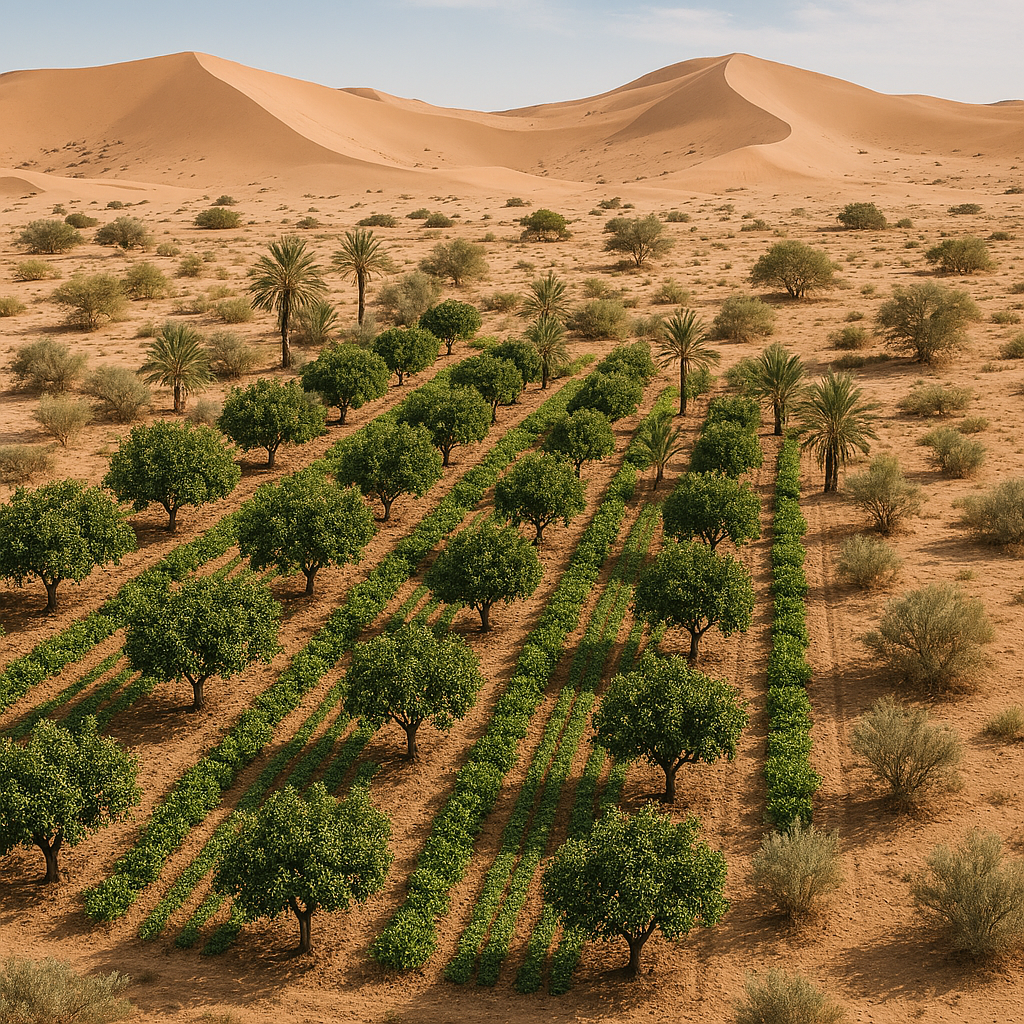
summary
Natural resource preservation is critical for ensuring a sustainable supply of quality food for the growing global population, which is projected to reach nearly ten billion by mid-century. As natural resources such as soil, water, air, and biodiversity are foundational to agricultural productivity, their management directly impacts food security and environmental health. The significance of this topic is underscored by ongoing challenges including soil degradation, water scarcity, climate change, and socio-economic pressures, all of which threaten both the integrity of ecosystems and the ability to meet food demands. Effective practices for preserving natural resources encompass a range of strategies, including sustainable soil management, efficient water use, and conservation of biodiversity. Techniques such as conservation tillage, cover cropping, and integrated pest management contribute to healthier soils and improved water quality, while promoting biodiversity enhances ecosystem resilience to pests and diseases. Renewable energy sources in agriculture further exemplify innovative approaches that reduce environmental impacts while optimizing productivity. However, these methods face significant barriers, including insufficient policy support and a lack of awareness among consumers and producers about sustainable practices. The intersection of agriculture, environmental conservation, and food security is marked by prominent controversies, particularly surrounding the use of genetically modified organisms (GMOs) and precision agriculture technologies. While these innovations have the potential to significantly enhance yields and resource efficiency, public resistance and ethical concerns often complicate their adoption. Addressing these challenges requires a holistic approach that balances agricultural productivity with the long-term health of natural ecosystems, alongside active collaboration among policymakers, farmers, and conservationists. Ultimately, the sustainable management of natural resources is vital not only for maintaining agricultural productivity but also for ensuring that food systems are resilient in the face of environmental changes and socio-economic pressures. This complex interplay demands continuous evaluation and adaptation of practices to achieve a balance that meets the needs of both people and the planet.
Types of Natural Resources
Natural resources are essential for agricultural productivity and sustainability, playing a critical role in food security and environmental health. These resources include soil, water, air, and biodiversity, each contributing to the overall balance of agricultural ecosystems.
Soil
Soil is a fundamental natural resource that supports plant growth by providing nutrients, water, and a medium for root development. Healthy soil is crucial for high crop yields and can be preserved through practices such as conservation tillage, cover cropping, and crop rotation, which enhance soil structure and organic matter content. Unfortunately, agricultural practices have led to significant soil degradation, with a third of the world’s potential farmland already compromised due to erosion and nutrient depletion.
Water
Water is another vital resource for agriculture, directly influencing crop productivity and health. Sustainable water management practices, such as efficient irrigation systems and rainwater harvesting, help ensure that water supplies are adequate while reducing runoff and conserving natural water bodies. The integration of practices like integrated pest management further supports water quality by minimizing pesticide contamination in waterways.
Air Quality
Air quality is often overlooked as a natural resource, yet it significantly impacts agricultural operations. Agricultural activities can contribute to air pollution through the use of fertilizers and pesticides, which release harmful emissions. Sustainable farming practices aim to minimize these impacts by adopting strategies that reduce chemical inputs, thereby improving air quality for both human and environmental health.
Biodiversity
Biodiversity encompasses the variety of life in agricultural landscapes, including plant species, wildlife, and beneficial microorganisms. A diverse ecosystem can enhance resilience to pests and diseases, improve soil health, and increase pollination services essential for many crops. Conservation efforts that focus on maintaining wildlife habitats within agricultural areas can help foster biodiversity, contributing to more sustainable farming practices.
Renewable Energy Resources
The use of renewable energy sources, such as solar and wind, has gained traction in agriculture. These resources not only lower operational costs but also reduce the environmental footprint of farming. For example, solar panels can provide energy for irrigation and equipment, while wind turbines can help improve air circulation, benefiting crop health. Biogas production from organic waste further exemplifies how renewable resources can be harnessed in agricultural settings to enhance sustainability and reduce reliance on fossil fuel.
Challenges in Natural Resource Management
Natural resource management faces a multitude of challenges that complicate efforts to ensure sustainable food production while conserving essential ecosystems. These challenges stem from various factors, including agricultural practices, climate change, and socio-economic pressures.
Soil Degradation
One of the most pressing issues is soil degradation, particularly in regions such as the Mississippi Alluvial Valley, where intensive cultivation has led to diminished soil health and productivity. Over-reliance on inorganic fertilizers to maintain crop yields exacerbates the problem, creating a cycle of dependency that is unsustainable in the long term. The loss of soil quality undermines agricultural productivity, necessitating the exploration of alternative practices that promote soil health and sustainability.
Water Resource Management
Water scarcity is another critical challenge, driven by increasing agricultural demands and climate variability. As global water security concerns rise, there is an urgent need for local governments and stakeholders to adopt proactive measures for conserving water resources. This includes implementing best management practices that mitigate the negative impacts of agriculture on water quality and availability. Effective management strategies are vital to ensure that water remains accessible for both agricultural and non-agricultural uses.
Climate Change Adaptation
Climate change poses significant risks to natural resource management, as it affects agricultural productivity through altered weather patterns, increased pest pressures, and the frequency of extreme events like droughts and floods. Farmers are challenged to produce more food with fewer and less reliable natural resource inputs, necessitating innovative approaches to enhance agricultural resilience. These adaptations require not only technological advancements but also a shift in management practices to align with environmental sustainability goals.
Socio-economic Pressures
Additionally, socio-economic factors complicate resource management efforts. As the global population is projected to approach ten billion by mid-century, the demand for food will increase substantially, potentially leading to further encroachment on natural habitats. The need for agricultural productivity growth must be balanced with environmental conservation efforts, requiring a holistic assessment of the impacts of agricultural practices on ecosystems. Addressing these socio-economic pressures involves fostering collaboration among producers, policymakers, and conservationists to implement effective resource conservation strategies.
Sustainable Intensification
The transition to sustainable intensification presents both challenges and opportunities in addressing the demands of food security while minimizing environmental impact. Historically, the Green Revolution exemplified how technological advancements could significantly boost agricultural yields; however, these gains have often come at the cost of increased resource use and environmental degradation. A renewed focus on sustainable practices, such as residue and tillage management, can enhance soil organic matter, improve water quality, and promote biodiversity.
Strategies for Preserving Natural Resources
Soil and Water Conservation
Maintaining healthy soil and water resources is crucial for sustainable agriculture and food security. Practices such as year-round soil cover can sequester carbon, improve air quality, and enhance biodiversity by enabling soil to retain more water and reduce runoff. The use of low-grade weirs and tailwater recovery systems can further support these goals by improving water retention, reducing nutrient runoff, and enhancing sediment removal in agricultural settings.
Nutrient Management
Nutrient management planning is essential in balancing fertilizer applications with crop needs, thus reducing the potential for nutrient loading in water bodies. This farm-specific approach allows producers to apply fertilizers judiciously, which not only cuts costs but also protects water resources and improves soil conditions. Key principles include understanding existing soil conditions, identifying nutrient needs, managing inputs wisely, and documenting practices.
Sustainable Irrigation Practices
Irrigation water management practices are vital for maximizing water efficiency while minimizing erosion and ensuring optimal soil moisture levels for crop growth. This includes determining the volume, frequency, and application rates of irrigation water based on site-specific conditions, which enhances overall agricultural productivity. The integration of conservation practices like two-stage ditches can also improve drainage efficiency while promoting ecological benefits, ultimately supporting both agricultural and environmental goals.
Cover Crops and Residue Management
Planting cover crops as a soil management tool can significantly reduce erosion, enhance soil health, and suppress weeds. These crops, which can include grasses and legumes, improve moisture retention and minimize soil compaction. Additionally, effective residue and tillage management enhances soil organic matter and moisture, while fostering beneficial organisms like earthworms that improve soil productivity and reduce runoff.
Wildlife and Habitat Conservation
Promoting biodiversity within agricultural landscapes through habitat restoration and conservation practices can offer multiple benefits. Establishing buffers enhances habitat for various organisms, improves water quality, and supports stream bank stabilization. Programs designed to incentivize conservation practices provide landowners with resources to implement these strategies without sacrificing agricultural productivity, thus promoting a balance between economic and environmental goals.
Continuous Evaluation and Adaptation
Implementing effective conservation strategies requires ongoing evaluation and adaptation. Conservation planning should be a continuous process, where landowners analyze resource conditions, explore alternatives, and assess the effectiveness of their strategies. This iterative approach ensures that agricultural practices remain sustainable and aligned with the long-term health of natural resources.
Policy and Governance
The effective management of natural resources to ensure a sustainable supply of quality food requires comprehensive policies and governance frameworks that address the complex interplay between agriculture, the environment, and human health. There is a broad consensus on the importance of productivity growth in agriculture as a means to conserve resources and achieve long-term food security while mitigating climate change impacts. Policymakers play a critical role in facilitating market access and creating a level financial and regulatory playing field, which can help lower production costs and food prices, ultimately benefiting consumers.
Importance of Productivity Growth
Improved productivity, particularly in smallholder farming, is essential for economic growth in agriculture-based countries, especially in regions like Sub-Saharan Africa. A productivity revolution is necessary to reduce poverty and food insecurity in these areas. Addressing low productivity can increase the overall food supply, making nutritious foods more accessible and affordable for poorer families. Thus, advancing sustainable agricultural productivity growth is vital not only for economic reasons but also for eradicating extreme poverty and meeting environmental challenges.
Holistic Approach to Sustainability
To harness productivity growth for social, environmental, and economic sustainability, a holistic assessment of the intended and unintended impacts of such growth is required. This includes managing trade-offs and safeguarding social and environmental welfare. The Coalition on Sustainable Productivity Growth Coalition for Food Security and Resource Conservation (SPG Coalition) emphasizes the need for best practices and lessons learned in promoting sustainable productivity growth.
Addressing Barriers to Adoption
Despite the clear benefits of sustainable farming practices, several barriers hinder their widespread adoption. A lack of understanding regarding the intersection of agriculture, the environment, and human health persists among policymakers and consumers alike. Consequently, legislative frameworks often do not prioritize environmental capital, resulting in insufficient incentives for producers to adopt sustainable practices. Consumer awareness and demand for sustainable food options can significantly influence agricultural practices and spur producers to change their methods, highlighting the need for educational initiatives and consumer engagement strategies.
Policy Frameworks
Various policies can be implemented to promote sustainable agricultural practices, including incentives for organic farming, permaculture, and agroforestry initiatives. Additionally, existing voluntary programs, such as the Environmental Quality Incentives Program (EQIP) and the Agricultural Conservation Easement Program (ACEP), provide financial and technical assistance to producers aiming to adopt conservation practices. These programs are vital for promoting environmental stewardship while maintaining agricultural production and addressing local resource concerns.
Technological Innovations
Technological innovations play a crucial role in enhancing agricultural practices while ensuring the preservation of natural resources. These advancements not only optimize food production but also contribute to sustainability and efficiency across the agricultural sector.
Precision Agriculture
One of the most significant innovations is precision agriculture, which employs modern technologies such as satellite imagery, drones, and soil sensors to manage and analyze field variability. This data-driven approach enables farmers to make informed decisions regarding the use of inputs like fertilizers and water, thereby increasing crop yields while minimizing resource consumption and environmental impact. By focusing on specific areas within a crop field, farmers can target applications of chemicals more accurately, leading to reduced usage of herbicides and pesticides.
Genetically Modified Organisms (GMOs)
The development of genetically modified crops is another transformative advancement in agriculture. GMOs have been engineered for greater resistance to pests and diseases, as well as to tolerate extreme environmental conditions, which has resulted in higher yields and more efficient land use. However, the adoption of GMOs has faced public resistance, impacting their broader implementation despite the potential benefits they offer for food security and sustainability.
Indoor Vertical Farming
Indoor vertical farming represents a groundbreaking method of producing food in urban environments by utilizing space efficiently. This innovative approach enables the cultivation of crops in stacked layers, often using hydroponic or aeroponic systems that require significantly less water compared to traditional farming methods. As cities grow and arable land becomes scarce, vertical farming can provide a viable solution to meet the food demands of urban populations while conserving resources.
Farm Automation Technologies
Automation technologies have revolutionized agricultural practices by introducing machinery and systems that streamline various farming processes. This includes automated planting, harvesting, and monitoring systems that reduce labor costs and improve operational efficiency. These technologies not only enhance productivity but also contribute to more sustainable farming practices by minimizing human error and resource waste.
Artificial Intelligence and Data Analytics
Advancements in artificial intelligence (AI) and data analytics are further transforming agriculture by providing farmers with insights that improve decision-making. AI applications can analyze large datasets to identify patterns in crop health, soil composition, and weather conditions, allowing farmers to optimize their practices in real-time. This leads to improved crop management and increased productivity, ultimately supporting food supply while reducing environmental impacts.
Case Studies
REACH Program in Mississippi
The Mississippi State University REACH (Research and Education to Advance Conservation and Habitat) program exemplifies a proactive approach to conserving water resources while supporting agricultural producers. Developed in response to growing concerns over agriculture’s environmental impact, the program integrates research with outreach to assist landowners in documenting the benefits of conservation efforts. By combining conventional science with innovative practices, REACH aims to demonstrate the mutual benefits of conservation and agriculture, thereby facilitating technology and information transfer to producers.
Conservation Stewardship Program
The Conservation Stewardship Program (CSP) in the United States incentivizes agricultural producers to maintain and enhance existing conservation systems while adopting new practices. This program offers annual financial rewards based on performance in conservation activities and has been reauthorized through FY2018, although acreage enrollment goals have been adjusted. By supporting resource-conserving practices, CSP helps ensure that agricultural production is maintained alongside environmental stewardship, showcasing a successful model for sustainable agriculture.
Precision Agriculture Innovations
Precision agriculture is transforming farming practices by employing advanced technologies such as satellite mapping, drones, and soil sensors to optimize resource use. This method allows farmers to apply inputs like fertilizers and pesticides more efficiently, reducing environmental impacts while potentially increasing yields. Case studies have shown that the adoption of precision agriculture can lead to a reduction in water and fertilizer usage by up to 40%, demonstrating its effectiveness as a tool for both economic and environmental sustainability. These innovations represent a significant step forward in addressing the dual challenges of food security and environmental conservation.
Two-Stage Ditches
In Mississippi, the implementation of two-stage ditches for drainage and flood control serves as an effective case study for natural resource conservation. This technique helps manage water flow while also enhancing habitat for wildlife and improving water quality. By providing landowners with incentives to adopt such practices, the program not only addresses agricultural needs but also contributes to broader ecological goals, illustrating the potential for innovative approaches to achieve sustainable agricultural outcomes. Through these case studies, it becomes evident that integrating conservation practices with agricultural methods can lead to enhanced natural resource management, ensuring a sustainable food supply for future generations.
Promoting a healthy and balanced diet to preserve the health of humanity.
By Philippe Reclus
summary
Promoting a healthy and balanced diet is a critical endeavor aimed at preserving the health of humanity and preventing malnutrition and diet-related diseases. The significance of dietary practices extends beyond individual health, influencing community well-being and global health outcomes. As societies evolve, dietary patterns have shifted, increasingly incorporating processed foods that contribute to rising rates of chronic conditions such as obesity, diabetes, and heart disease. Recognizing the intricate connection between nutrition, culture, and health, public health initiatives seek to foster dietary habits that support both physical health and cultural identity. Notably, the rise of noncommunicable diseases (NCDs) has prompted a reevaluation of dietary guidelines and public health strategies. Various organizations, including the World Health Organization (WHO) and the United States Department of Agriculture (USDA), have developed comprehensive guidelines advocating for balanced eating patterns that emphasize the consumption of whole foods, fruits, and vegetables while minimizing added sugars and unhealthy fats. These efforts aim to combat the negative effects of modern diets and promote nutritional equity, especially in underserved communities where access to healthy food options is limited.
Current trends in dietary promotion underscore the importance of cultural sensitivity, tailoring nutritional advice to accommodate traditional practices while addressing the need for healthier food choices. Global initiatives such as the UN Decade of Action on Nutrition and the EAT-Lancet Commission emphasize sustainable diets that are not only beneficial for individual health but also align with environmental stewardship. This multifaceted approach recognizes that dietary changes can significantly impact both public health and ecological sustainability, highlighting the urgency of rethinking food systems in the face of climate change and resource scarcity.
Despite the widespread acknowledgment of the benefits of a healthy diet, significant challenges persist, including the proliferation of misinformation, socioeconomic barriers to food access, and the convenience of processed options. Addressing these challenges requires collaborative efforts at individual, community, and governmental levels to create supportive food environments and promote effective dietary interventions. Ultimately, the goal is to enhance health outcomes globally by empowering individuals and communities to adopt healthier eating practices that are both culturally relevant and nutritionally adequate.
Historical Perspective
The historical evolution of dietary practices reflects broader cultural, economic, and social changes. Over centuries, the interaction between traditional diets and modern influences has shaped eating habits across various populations. Historically, food choices were heavily influenced by local availability, agricultural practices, and cultural rituals, which are still pivotal in many societies today.
Influence of Tradition
Traditional diets have long served as a foundation for health and well-being, often featuring a variety of whole foods and minimal processing. Such diets are not only tied to the nutritional aspects but also to cultural identity, as seen in the stories and values passed down through generations during family meals. These narratives have historically played a critical role in teaching younger generations about family history and the importance of certain food choices, underscoring the educational aspect of mealtime.
Transition to Modern Diets
The shift toward modern dietary patterns began with the industrial revolution, which brought about the mass production of processed foods. This transformation led to an increase in the consumption of foods high in energy, sugars, and fats while diminishing the intake of fruits, vegetables, and whole grains. The changing lifestyles associated with urbanization further accelerated these trends, often resulting in diets that are less nutrient-dense and more dependent on convenience.
Public Health Responses
In response to these dietary shifts and the associated rise in noncommunicable diseases, public health guidelines began to emerge in the mid-20th century. Organizations like the USDA developed dietary guidelines that emphasize the importance of balanced eating patterns, advocating for an increase in the intake of fruits, vegetables, whole grains, and lean proteins while reducing sugars and saturated fats. These guidelines aim to address the complex interplay of dietary habits and health outcomes, acknowledging that food consumption is often influenced by cultural and social factor.
Current Trends and Future Directions
Today, there is a growing recognition of the importance of cultural context in dietary practices. Efforts to promote healthy eating now emphasize the need to tailor nutritional advice to fit cultural traditions, ensuring that dietary interventions are both relevant and effective. This approach seeks to bridge the gap between traditional food practices and modern nutritional science, aiming to preserve cultural heritage while promoting health. The emphasis on sustainable diets is also gaining traction, as awareness grows around the environmental impact of dietary choices and the importance of making food systems more resilient and equitable.
Core Principles of a Healthy Diet
A healthy diet is vital for maintaining both physical and mental well-being, with several core principles guiding individuals towards making nutritious food choices. These principles emphasize the importance of balance, moderation, diversity, and adequacy in dietary habits.
Adequacy
Adequacy involves consuming sufficient amounts of essential nutrients to meet the body’s needs. A balanced diet should provide necessary vitamins, minerals, and other health-promoting components while avoiding excessive calories that may lead to weight gain. The recommended caloric intake varies, with men generally needing around 2,500 calories and women around 2,000 calories per day, depending on activity levels and individual health condition. By adhering to these core principles of balance, moderation, diversity, and adequacy, individuals can foster healthier eating patterns that contribute to long-term health and reduce the risk of diet-related diseases.
Balance
Balance in nutrition involves ensuring that total energy intake aligns with energy expenditure. This includes obtaining an appropriate proportion of calories from the three primary macronutrient sources: carbohydrates, proteins, and fats. A well-balanced diet typically features carbohydrates making up approximately 45–75% of total daily energy, while proteins and fats are included in moderation to prevent health issues associated with excessive consumption.
Moderation
Moderation refers to limiting the intake of specific nutrients and foods that may negatively impact health. This includes reducing added sugars and saturated fats as much as possible, which can contribute to the development of chronic diseases. A « healthy plate » approach suggests that meals should consist of about 50% vegetables, 25% carbohydrates, and 25% proteins, promoting a balanced distribution of food groups.
Diversity
Diversity in food choices is essential to ensure that the body receives a wide range of nutrients. Incorporating a variety of foods from different groups, such as fruits, vegetables, whole grains, lean proteins, and healthy fats, can help meet nutritional needs and support overall health. This principle encourages individuals to consume a « rainbow » of fruits and vegetables, enhancing the intake of vitamins and minerals vital for bodily function.
Components of a Healthy Diet
A healthy and balanced diet is essential for maintaining optimal health and well-being. It consists of various key components that contribute to the body’s nutritional needs.
Macronutrients
Carbohydrates
Carbohydrates are a crucial energy source, providing fuel for physical activity and metabolic processes. They can be categorized into « good » and « bad » carbs. Good carbohydrates include natural sources like whole grains, fruits, and vegetables, which offer dietary fiber that aids digestion. Conversely, bad carbohydrates often come from processed foods and can contribute to weight gain if consumed in excess.
Proteins
diet. They are necessary for growth, repair, and the production of hormones and enzymes. Lean protein sources, such as fish, chicken, beans, and legumes, are encouraged, as they provide energy without excessive calories. While protein aids in weight loss, overconsumption can lead to fat storage and health issues.
Fats
Fats play an important role in regulating body temperature, absorbing vitamins, and providing energy. They should make up about 10-20% of a healthy diet. Healthy fats, such as monounsaturated and polyunsaturated fats found in avocados, nuts, and fish, promote heart health. In contrast, saturated and trans fats, often found in fried and processed foods, can increase cholesterol levels and risk of heart disease, making moderation essential.
Micronutrients
Vitamins
Vitamins are organic compounds that support various bodily functions, including metabolism, cell repair, and immune response. Each vitamin has specific roles; for instance, Vitamin C aids in collagen formation and boosts immunity, while Vitamin D is crucial for calcium absorption and bone health. A varied diet rich in fruits, vegetables, and whole foods is necessary to meet vitamin requirements.
Minerals
Minerals assist in numerous physiological processes, including bone formation and fluid regulation. Essential minerals like iron and calcium are vital for energy production and maintaining strong bones. Foods rich in minerals include leafy greens, fish, and legumes.
Water
Water is an indispensable macronutrient, constituting about 65% of the human body. It is vital for hydration, nutrient transport, and regulating metabolic reactions. Maintaining adequate hydration is crucial, particularly during physical activity or hot weather. Foods with high water content, such as cucumbers and watermelon, can also contribute to hydration needs.
Fiber
Fiber, both soluble and insoluble, is critical for digestive health. Soluble fiber helps reduce cholesterol levels and promotes gut health, while insoluble fiber aids in regular bowel movements. A balanced diet should include a variety of fiber-rich foods like oats, fruits, vegetables, and whole grains, with a recommended intake of about 14 grams per day.
Benefits of a Healthy Diet
A healthy diet serves as a cornerstone for overall health, well-being, and optimal growth and development. It is effective in protecting against various forms of malnutrition and significantly reduces the risk of chronic diseases, including cardiovascular diseases, diabetes, and cancer.
Physical Health Benefits
Weight Management
One of the primary benefits of a balanced diet is effective weight management. Consuming nutrient-dense foods allows individuals to obtain essential nutrients without excessive calorie intake, thereby regulating body weight. Maintaining a healthy weight is crucial for reducing the risk of heart disease, diabetes, and joint-related issues.
Cardiovascular Health
Diets rich in fruits, vegetables, whole grains, and lean proteins promote cardiovascular health by lowering cholesterol levels and blood pressure. Incorporating healthy fats, such as omega-3 fatty acids found in fish, further enhances heart function. Evidence also suggests that a healthy diet can prevent conditions such as high blood pressure and obesity, which are significant risk factors for heart disease.
Bone and Joint Health
A well-rounded diet supports bone and joint health, crucial for maintaining mobility and preventing conditions like osteoporosis. Adequate intake of vitamins and minerals, particularly calcium and vitamin D, plays an essential role in strengthening bones and joints.
Mental Health Benefits
Beyond physical health, a balanced diet is linked to improved mental well-being. Nutritional choices can affect mood and cognitive function, helping to reduce symptoms of depression and anxiety. For instance, diets high in omega-3 fatty acids and antioxidants from fruits and vegetables are associated with better mental health outcomes.
Environmental Impact
Adopting a healthy diet not only benefits personal health but also contributes to environmental sustainability. Diets that prioritize whole foods and reduce processed food consumption are associated with lower greenhouse gas emissions and a smaller ecological footprint. This is important for preserving natural resources and reducing waste.
Challenges to Maintaining a Healthy Diet
Despite the recognized importance of a healthy, balanced diet for overall well-being, various barriers hinder individuals from achieving optimal nutrition. These challenges can significantly impact health outcomes and contribute to the prevalence of diet-related chronic diseases.
Misleading Information
One of the primary obstacles is the proliferation of misleading information available on the internet. Many individuals encounter conflicting dietary advice, which can complicate their ability to make informed food choices. This misinformation can lead to confusion about what constitutes a healthy diet, ultimately affecting dietary habits negatively.
Access to Nutritious Food
Access to healthy food is another significant barrier. Individuals, particularly those from lower socioeconomic backgrounds, often face limited availability of nutritious options in their communities. This lack of access can lead to higher consumption of unhealthy foods, which are more readily available and affordable. Studies have shown that food deserts, areas with limited access to fresh produce, disproportionately affect racial and ethnic minority groups, exacerbating health disparities.
Time and Convenience
The demands of modern life further complicate dietary choices. Many individuals prioritize convenience, often opting for fast food or processed options that are easier to prepare and consume. This tendency can result in a diet high in calories but low in essential nutrients. Moreover, the time constraints associated with work and family responsibilities can make it challenging to prepare healthy meals, leading to reliance on unhealthy eating patterns.
Financial Constraints
Financial limitations also play a critical role in dietary choices. Healthy foods, particularly fresh fruits and vegetables, can be more expensive than processed alternatives. For many, the higher cost of nutritious foods can deter them from purchasing healthier options, thus perpetuating cycles of poor nutrition and associated health risk. Public health interventions aimed at improving food affordability and access are essential to address this challenge and promote healthier diets within communities.
Strategies for Promoting a Healthy Diet
Overview of Dietary Challenges
Promoting a healthy diet is essential for protecting against malnutrition and a range of noncommunicable diseases (NCDs), including type 2 diabetes, hypertension, heart disease, and certain cancers.. Despite the recognition of the importance of healthy eating, many people, especially in the United States, struggle to maintain a nutritious diet due to various factors, including the increasing consumption of processed foods and urbanization that alters traditional dietary patterns.
Individual and Community-Level Interventions
Efforts to encourage healthy lifestyles are implemented at both the individual and community levels. At the individual level, counseling patients towards behavioral change plays a critical role. However, community-wide strategies are equally important and include educational initiatives, environmental modifications, and policy changes to create healthier food environments. Such strategies have been found to be particularly effective when they consider cultural sensitivity, incorporating local culinary preferences and recognizing staple foods that may not be nutritionally ideal but are culturally significant.
Cultural Sensitivity in Nutritional Counseling
Cultural sensitivity is crucial in promoting healthy eating, particularly for diverse populations. Nutrition professionals should tailor their approaches to reflect the tastes and dietary habits of the communities they serve, using culturally appropriate materials and strategies. This includes acknowledging traditional foods that may be deemed unhealthy but are integral to the local diet, advocating for moderation rather than elimination.
Furthermore, addressing low nutrition knowledge and skills among community members is essential, suggesting that nutrition education begin early in childhood and continue through formal schoolin.
Role of Government and Policy
Governments play a pivotal role in establishing a supportive food environment that facilitates healthy eating. Policy actions can include regulations on food marketing, subsidies for healthy foods, and initiatives to improve food access in underserved areas. The Healthy People 2030 initiative exemplifies this approach, aiming to increase the availability of fruits, vegetables, and whole grains while decreasing the consumption of foods high in saturated fats and added sugars, thereby reducing the risk of chronic diseases.
Comprehensive Evaluation of Interventions
To ensure the effectiveness of dietary promotion strategies, comprehensive evaluation methods are necessary. These evaluations should employ a combination of qualitative and quantitative approaches to assess both process and outcome measures. Frameworks such as the RE-AIM model can provide structured methods for evaluating the public health impact of health promotion interventions, ensuring that lessons learned inform future initiatives.
Global Initiatives
Efforts to promote a healthy and balanced diet globally have gained momentum through various international initiatives aimed at addressing malnutrition and enhancing dietary practices. Central to these initiatives is the recognition of the interplay between nutrition, health, and sustainable development.
Dietary Guidelines for Americans
In the United States, the Dietary Guidelines for Americans serve as a cornerstone for federal nutrition programs, providing evidence-based recommendations aimed at promoting health and preventing diet-related chronic diseases.
Updated every five years, these guidelines reflect the latest scientific research and play a crucial role in shaping public health policies and nutrition programs across the nation.
Through these global initiatives, a concerted effort is being made to promote healthy dietary practices that not only enhance individual health but also contribute to the sustainability of food systems worldwide.
UN Decade of Action on Nutrition
The United Nations (UN) Decade of Action on Nutrition (2016–2025) seeks to eradicate hunger and ensure access to safe, nutritious, and sufficient food for all, while also addressing the challenges posed by climate change.
This initiative calls for a multi-sectoral approach that encompasses policy action, community awareness, and targeted efforts for priority populations to create health-enhancing environments and promote sustainable food systems.
EAT-Lancet Commission
The EAT-Lancet Commission on Healthy Diets from Sustainable Sources proposes guidelines for achieving a sustainable diet that benefits both human health and the planet.
This framework aligns with the UN Sustainable Development Goals (SDGs) by advocating for dietary intakes that are accessible, nutritious, and environmentally friendly, thus underscoring the importance of dietary shifts in combating global health crises.
WHO Guidelines and Support
The World Health Organization (WHO) supports countries in implementing nutrition policies through various initiatives. This includes the development of evidence-informed guidelines aimed at improving nutrition across populations. WHO guidelines provide recommendations on dietary practices, including optimal intake levels for salt, sugars, and essential nutrients, while also addressing specific needs such as infant feeding and iron supplementation.
Moreover, WHO’s REPLACE action package aims to eliminate industrial trans fats, significantly benefiting global public health by protecting populations from associated health risks.
School-Based Nutrition Initiatives
Recognizing the critical role of education in shaping dietary habits, school-based nutrition policies and programs have been identified as effective strategies to tackle the double burden of malnutrition.
Research indicates that such interventions can address up to 40% of the factors contributing to malnutrition, particularly in low- and middle-income countries (LMICs). However, barriers such as resource limitations and inadequate training for staff hinder their implementation.
Evaluation of Interventions
Evaluating interventions aimed at promoting a healthy and balanced diet is essential to ensure their effectiveness and sustainability. Comprehensive evaluation strategies are crucial for understanding the impacts of these interventions on community health and behavior change. These evaluations often utilize a combination of qualitative, quantitative, and mixed methods to assess both process and outcome metrics.
Importance of Evaluation
Evaluating dietary interventions allows for the refinement of program implementation, identification of effective strategies for replication or expansion, and communication of impacts to stakeholders and funders. Such evaluations are not only vital for demonstrating the value of community health initiatives but also for fulfilling community benefit reporting requirements. Engaging community partners in the evaluation process can enhance the relevance and accuracy of assessments, as they provide local insights and support for the programs.
Types of Evaluations
Evaluations of dietary interventions generally encompass both process and outcome assessments. Process evaluations focus on implementation fidelity and quality, determining how well the intervention was delivered and any barriers or facilitators encountered during implementation. Outcome evaluations measure the direct effects of the interventions, such as changes in dietary intake, nutrient consumption, and overall health outcomes among participants. For instance, meta-analyses have shown significant increases in fruit and vegetable intake among intervention participants compared to control groups, highlighting the potential effectiveness of structured dietary programs.
Methodological Considerations
Methodologically, evaluating complex dietary interventions presents unique challenges due to the multifaceted nature of dietary behaviors and external influencing factors. Randomized controlled trials (RCTs) are often employed to rigorously assess the effectiveness of these interventions. However, it is also important to account for external events that may impact participation or outcomes, such as other educational initiatives or socio-political factors affecting community engagement. In addition, employing theoretical frameworks, such as the RE-AIM framework, can guide the planning and realization of evaluation approaches, ensuring that they comprehensively capture both intended and unintended consequences of dietary interventions. Furthermore, cost-effectiveness analyses play a critical role in evaluating the financial sustainability of interventions by comparing the costs incurred with the health benefits achieved.
Can fighting climate change help secure a food supply for humanity that is both high-quality and sufficient in quantity?
By Philippe Reclus

summary
Climate change poses significant threats to the global food system by altering soil health, water availability, crop yields, and the nutrient composition of foods, thereby raising risks of food insecurity and malnutrition worldwide. Proponents argue that integrating climate adaptation with nutrition-focused policies (through resilient farming, diversified, nutrient-rich diets, and reduced animal-sourced intake) can safeguard both the quantity and quality of future food supplies while mitigating environmental impacts. A growing body of evidence explores how climate mitigation and agricultural practices intersect with nutrition. Climate-smart strategies, improved nutrient management, precision agriculture, soil carbon stewardship, and reductions in food loss and waste are seen as jointly capable of sustaining yields and nutrient availability, albeit with context-dependent effects on diet quality and health outcomes. At the same time, shifts toward crop diversification and fortification or biofortification programs are pursued to counteract potential nutrient declines associated with climate stress, underscoring the nutrition-sensitive nature of climate-responsive food systems . The topic intersects with notable debates and uncertainties, including questions about the universality of findings across regions, the balance between efficiency gains and nutrient preservation, and the feasibility of deploying certain technologies at scale. Critics highlight limitations in the evidence base, study designs, and regional applicability, while supporters emphasize integrated, just-transition approaches that align emissions reductions with nutrition and equity goals. The discussion also emphasizes governance, land tenure, market instruments, and gender-inclusive policies as essential to translating climate–nutrition insights into action . Together, the literature argues that pursuing a coordinated strategy (combining adaptation and mitigation with nutrition-sensitive design, sustainable land management, and effective governance) offers a plausible path to secure a high-quality, sufficient global food supply in a changing climate. Realizing this potential requires addressing data gaps, scaling proven practices, and ensuring equitable access to nutritious foods while reducing environmental footprints .
Lead
Climate change threatens the reliability and quality of the global food supply by altering soil fertility, water availability, crop yields, and the nutrient composition of foods, thereby increasing the risk of food insecurity and malnutrition worldwide. Sustainable, low-environmental-impact dietary patterns (emphasizing diverse, nutrient-rich foods and moderated animal-sourced intake) are proposed as part of a broader strategy to reduce the environmental footprint of food systems while safeguarding nutrition and health . At the same time, dietary shifts and homogenization of crops have historically reduced crop diversity and key nutrient availability, underscoring the need to broaden cultivated crops and preserve traditional varieties to maintain nutritional adequacy in the face of climate pressures . Efforts to mitigate climate impacts also include fortification, biofortification, and micronutrient supplementation programs, alongside promotion of dietary diversity to meet essential nutrient requirements with lower environmental costs. Emerging research highlights a gap in understanding how agricultural practices and soil management affect farmland soil carbon sequestration, which could inform both climate mitigation and farm livelihoods by quantifying carbon footprints and potential sequestration on farms . Overall, integrating climate adaptation with nutrition-focused policies and resilient agricultural practices is viewed as essential to securing a high-quality, sufficient global food supply for humanity .
Climate mitigation and agricultural/food pathways
Climate mitigation efforts in agriculture interact with nutrition and food security in complex ways, generating both synergies and trade-offs that vary by context and design. Climate-smart agricultural strategies have contributed to adaptation and mitigation objectives in some settings, but their nutrition impacts vary widely, underscoring the need to align climate goals with dietary quality and public health outcomes . Nutrient density and public health considerations are central to climate–food pathways. Elevated greenhouse gas–related stresses, along with shifts in carbon–nitrogen balance, can reduce crop nutrient density and alter mineral uptake and secondary metabolites, with potential consequences for anemia risk, immune function, and neurodevelopment across populations. As such, nutrient density declines under changing climate conditions are increasingly viewed as a component of “hidden hunger,” even when yields may rise in certain crops . Strategies to secure a high-quality, sufficient food supply in the face of climate pressures emphasize nutrient management and sustainable production practices. Integrated nutrient management, precision agriculture, and the use of biofertilizers are discussed as approaches to improve nutrient use efficiency, maintain soil health, and support yields while mitigating environmental impacts. Studies and reviews advocate balancing inputs (e.g., nitrogen, phosphorus, potassium) and adopting practices such as returning straw to soils, conservation tillage, and adopting biofertilizers to enhance soil organic matter and macro- and micronutrient availability, thereby supporting both yield stability and nutritional outcomes . The broader food-system implications of climate change include potential shifts in food prices and dietary patterns, with implications for nutrition quality and health equity. Rising prices can influence consumer choices, sometimes reducing the intake of nutrient-dense foods and altering fat, sodium, and micronutrient profiles in populations. Conversely, climate mitigation pathways that reduce demand for high-emission foods (e.g., red meat) can have mixed effects on mineral intakes such as zinc and iron, highlighting the need for carefully designed policies that preserve essential nutrients while reducing emissions . In sum, integrating climate mitigation with agricultural and food pathways requires a holistic, nutrition-sensitive approach. This includes promoting resilient crop production, improving nutrient management, and designing climate strategies that safeguard or enhance dietary quality to meet public health objectives in a changing climate.
Mitigation options in agriculture and land systems
Supply-side practices can contribute to climate change mitigation by reducing crop and livestock emissions, sequestering carbon in soils and biomass, and decreasing emissions intensity within sustainable production systems (high confidence). The total technical mitigation potential from crop and livestock activities and agroforestry is estimated at 2.3–9.6 GtCO2-eq yr–1 by 2050 (medium confidence). In cropping systems, large mitigation potential lies in soil carbon sequestration (though at decreasing rates over time), reductions in N2O emissions from fertilisers, reductions in CH4 emissions from paddy rice, and bridging yield gaps, while in livestock systems, benefits come from better grazing land management that increases net primary production and soil carbon stocks, improved manure management, and higher-quality feed. Reductions in GHG emissions intensity (emissions per unit product) from livestock can support absolute emission reductions if governance to limit total production is implemented concurrently (medium confidence). A broader suite of supply-side options emphasizes cropland management, restoration of organic matter, and integrated land-use approaches identified by IPCC assessments, including measures to reduce emissions from soils and to increase carbon sinks across agricultural landscapes. Reducing food loss and waste (which accounts for roughly 25–30% of total food produced) can lower GHG emissions and improve food security (medium confidence). Global food loss and waste during 2010–2016 equalled 8–10% of total anthropogenic GHG emissions, with costs around 1 trillion USD2012 per year (low confidence). Land-use planning and governance also influence the success of mitigation in agriculture. A greater emphasis on understanding gender-specific differences in land use and management can improve land restoration outcomes, while improved access to markets raises profitability and motivates investment into climate change adaptation and sustainable land management (SLM) (medium confidence). Payments for ecosystem services and expanded access to rural advisory services can provide incentives and knowledge to adopt SLM practices (medium confidence). Access to cleaner energy sources and technologies can reduce desertification and climate impacts by lowering the use of fuelwood and crop residues for energy (medium confidence). However, large-scale deployment of dedicated biomass production for bioenergy raises concerns about land competition with food production and potential land degradation, especially where intensification includes fertiliser use, irrigation, or monoculture energy crops (high confidence). In degraded lands, afforestation and reforestation offer restoration opportunities with potential co-benefits, but outcomes depend on whether restoration involves natural or plantation forests (high confidence). The total area of degraded lands is estimated to be 10–60 million square kilometers (very low confidence). Without action, land degradation will increase emissions and reduce carbon sinks, undermining reductions needed to limit warming to 1.5–2°C (high confidence). Better soil management can offset about 5–20% of current global anthropogenic GHG emissions (medium confidence). Across the AFOLU sector, agriculture, forestry and other land use are substantial net sources of GHG emissions, contributing a significant share of combined CO2, CH4 and N2O emissions in 2007–2016 (high confidence). AFOLU fluxes include both emissions and removals and are influenced by interacting natural and human drivers, making attribution complex (high confidence). Land degradation affects livelihoods and ecosystems globally, occurring over a large portion of the world’s ice-free land and disproportionately impacting poor populations in developing countries (very high to medium confidence). Deforestation, peat degradation, and permafrost thawing contribute importantly to climate change through GHG releases and reductions in carbon uptake, while cropland soils have often lost substantial organic carbon prior to and during cultivation (high to medium confidence). In summation, mitigating climate change through agricultural and land-system pathways involves a mix of soil carbon enhancement, emissions reductions across N2O and CH4 pathways, improved manure and grazing management, smarter feed and productivity linkages, reduced food loss and waste, and governance and socio-economic measures that facilitate sustainable adoption at scale. These strategies collectively aim to preserve and enhance food security while limiting warming to the targets set for 1.5–2°C, though their success depends on coordinated policy, investment, and land-use planning (highconfidence).
Adaptation and mitigation as a combined strategy for food security
Adaptation to climate change and mitigation of greenhouse gas emissions can be pursued together as a coherent strategy to sustain and improve global food security. There is high confidence that policies addressing vicious cycles of poverty, land degradation, and GHG emissions, when implemented holistically, can help achieve climate-resilient sustainable development and, in turn, support food security outcomes (including price stability and reduced exposure to climate shocks). The design and implementation of policy instruments (whether market-based, non-market, or a mix of both) play a decisive role in shaping future climate and land-use pathways and their implications for food systems. Coordinated action among diverse actors (businesses, producers, consumers, land managers, indigenous peoples, local communities, and policymakers) is required to create enabling conditions for the adoption of response options across scales from farm to international levels. These response options face a range of barriers (economic, technological, institutional, socio-cultural, environmental, and geophysical) that necessitate multi-actor collaboration to overcome and to assemble portfolios of measures tailored to different stakeholders. In parallel, recognizing the potential for carbon pricing and markets to reduce emissions in agriculture and food systems, albeit with challenges in practical implementation, supports the broader aim of aligning incentives with climate-resilient food security objectives. Climate-smart agricultural strategies have shown potential to contribute to both adaptation and mitigation, but their nutrition and health impacts are context-dependent and vary across settings. Food systems adaptations (including dietary shifts toward nutritionally balanced and diverse patterns) can enhance resilience and food security by supporting stable access to nutritious foods while reducing environmental pressures; however, food security remains sensitive to food loss and waste, which account for an estimated 25–30% of total food produced. Trade in food commodities can buffer price and supply volatility by enabling embodied flows of water, land, and nutrients, illustrating how climate risks in one region may be mitigated through spared resources and markets elsewhere. Intensified attention to sustainable food supply and consumption, oriented toward balanced diets and reduced emissions, is linked to improved land use, nutrition, and food security outcomes. For example, sustainable development pathways (as described in SSP1) emphasize effective land-use regulation, reduced reliance on traditional biomass, moderated meat consumption, and coordinated international trade with connected regional markets, factors associated with lower food prices, fewer climate-related disruptions, and expanded forest cover in some scenarios. Conversely, mismanagement of land use and forest transitions, even under sustainable forest management, can incur emissions or biodiversity losses during transitional periods, highlighting the need for careful design of mitigation and land-use policies to support food security. Addressing climate change in food systems also requires robust data and monitoring capabilities. Remote sensing and other data sources can provide geographically explicit, globally consistent proxies to track land-use change and ecosystem health over decadal time scales, supporting planning and evaluation of adaptation and mitigation interventions. At the same time, knowledge gaps remain regarding the cumulative and interacting effects of multiple stressors, including potential large-scale deployment of negative emission technologies on ecosystems and livelihoods, underscoring the importance of ongoing research and adaptive governance. In terms of practical interventions, climate change impacts on crops and nutrition underscore the need for integrated strategies that improve soil health, optimize nutrient use, and promote diversification and resilience in cropping systems. Practices such as maintaining soil organic matter and adopting cover crops, minimal tillage, and crop rotations can enhance water retention and nutrient availability, contributing to drought resilience and lower emissions from fertilizer use, though adoption may be constrained by farm size, capital, and knowledge barriers in some contexts. Climate risk management and risk identification systems (supported by collaboration across sectors (environmental, health, agriculture, and nutrition)) can help detect and address emerging food safety concerns and nutritional risks associated with a changing climate.
Quantitative projections and evidence linking climate futures to food outcomes
Assessments of how climate futures will shape global and regional food security rely on integrated models that connect agricultural productivity, dietary patterns, nutrient content, prices, and trade. Across studies, the largest drivers of projected changes in nutrient availability over the 2010–2050 horizon are advances in technology and adjustments in agricultural markets; however, climate change introduces countervailing effects through changes in crop yields and the nutrient content of edible plant tissues. The inclusion of climate-related reductions in nutrient density generally moderates or offsets gain from higher yields driven by technological progress and market adaptation . One line of evidence attributes global and regional declines in per capita protein, iron, and zinc availability to the combined effects of climate-induced yield changes and higher atmospheric CO2 concentrations, which can reduce the nutrient content of crops. When carbon nutrient penalties are applied to nutrient content, projected decreases in global availability are approximately 2.9% for protein, 3.6% for iron, and 3.4% for zinc by 2050 under climate scenarios, relative to scenarios that do not account for CO2 effects on nutrient content. This pattern persists across regions, with larger relative influences in areas already facing nutrient deficiencies, such as parts of the Middle East and North Africa, sub-Saharan Africa, and South Asia. Supplementary materials emphasize that these CO2-related reductions in nutrient density compound the direct yields effects and imply a slower pace of improvement in global nutrition than would occur from technology and market changes alone. Modeling approaches used to generate these projections combine structural representations of the agricultural sector with scenarios for yields, prices, income, and trade. In particular, climate-induced yield changes are linked to ISI-MIP scenarios, and yield projections from the IMPACT model are adjusted to reflect regional and crop-specific responses to climate change over time. This framework enables simultaneous projection of future dietary patterns, crop productivity responses, and nutrient content under increased CO2, providing a more comprehensive picture of global food security in the context of climate change. A key finding across analyses is that simple extrapolations of current consumption patterns or static dietary projections are unlikely to capture the full scope of climate impacts on nutrition. Studies incorporating dynamic agricultural supply responses, trade, and potential nutrient penalties from elevated CO2 indicate that many countries (especially those with high baseline nutrient deficiencies) could experience disproportionately adverse effects on nutrient availability by mid-century, even as certain regions benefit from yield improvements due to technological progress and CO2 fertilisation in crops not limited by other factors. Without accounting for CO2 effects on nutrient content, models risk painting an overly optimistic view of future global dietary health and food security. The literature also stresses that there are distributional considerations within populations. Even when average micronutrient availability exceeds recommended intake levels in a region, subpopulations (such as children or disadvantaged groups) may still experience nutrient gaps with implications for cognitive development and health. The net effect of climate change on nutrition is thus regionally heterogeneous and intertwined with health determinants beyond food consumption, including sanitation, disease burden, water access, and education.
Research gaps, uncertainties, and limitations
Current evidence identifying links between climate action, food systems, and nutrition highlights several gaps and uncertainties that constrain policy and practice. Notably, knowledge about the effectiveness of policy instruments and institutions across land-use sectors remains limited, with calls for interdisciplinary research to understand impacts in land, forestry, agriculture, and bioenergy under diverse socio-economic contexts. The contextual and long time horizons required to evaluate land-use change complicate timely assessment of policy outcomes, and substantial investment in monitoring, evaluation, and cross-sector assessment is needed to improve decision-making across scales. Data scope and measurement inconsistencies pose additional challenges. There are differences in how data are defined and measured for food loss and waste (FLW), which hampers cross-country comparisons and the identification of intervention points along the supply chain. The adoption of standardized measurement methods and regional or national standards (e.g., in the EU, Mexico, and the United States) is seen as essential to improve comparability and to target interventions effectively. Moreover, nutrient losses within FLW are increasingly recognized as important, but global estimates remain uncertain due to limited high-quality, direct measurements; reliance on secondary data and a small number of frequently cited studies (e.g., older FAO reports) undermines reliability. In nutrition and health contexts, the relationship between diet quality and total food waste shows inconsistent patterns, with some studies finding that higher diet quality corresponds to greater overall waste but greater waste of fruits and vegetables in others. This mixed evidence underscores the need for more robust, standardized studies to disentangle how diet quality interacts with waste generation and to identify targeted mitigation strategies. The broader evidence base is also constrained by methodological limitations common to rapid scoping reviews, such as English-language restrictions, publication windows (2010–2021 in the cited work), and potential bias from single-researcher data abstraction and limited critical appraisal of sources. Technological readiness and upscaling remain key uncertainties for climate-adaptation and mitigation options. Some response options (e.g., BECCS) have been demonstrated only at small scales, raising concerns about near-term feasibility, scalability, and potential governance or financial barriers. This suggests that policymakers should be cautious about over-relying on unproven technologies in planning for near-term food security and sustainability goals. Finally, model-based projections and scenario analyses reveal limitations in representing the full range of land-management options and their implications. Integrated Assessment Models often omit many land-related options and do not consistently evaluate their economic, social, and environmental trade-offs, which can hinder comprehensive policy assessment and planning. Across agronomic studies, substantial heterogeneity in design, cultivars, soils, and practices further limits generalizability and underscores the need for standardized study designs and reporting, including adequate power calculations.
Policy, implementation, and governance
Effective policy design and governance are central to aligning climate change mitigation and adaptation with sustainable land management and food security. The evidence supports a range of policy instruments that account for gender differences, promote access to financing, information, technology, and extension services, and integrate women into existing programmes and civil society structures to enhance SLM and food security. A gender-inclusive approach is repeatedly highlighted as offering opportunities to strengthen land governance, improve management of land resources, and support integrated adaptation and mitigation measures, provided constraints such as discriminatory laws and social norms are addressed. Land tenure and governance arrangements have important implications for adaptation and mitigation. Understanding tenure contexts (and recognizing indigenous and communal land rights) can improve forest management and carbon storage outcomes, while large-scale land acquisitions and insecure tenure can hinder sustainable action; policy can either enable or constrain climate responses across cropping, rangeland, forest, and freshwater systems. To maximize adoption of response options, governance requires hybrid models that combine public and private sector participation with polycentric and transnational coordination, ensuring opportunities are maximized, trade-offs are managed equitably, and negative impacts are minimized. Market-based and non-market policy tools both have roles in reducing agricultural emissions and funding sustainable land management. Carbon pricing mechanisms, including markets and taxes, may help reduce GHG emissions in agriculture and food systems, though their application remains relatively untested in these sectors; equity considerations should be balanced with a mix of policy tools, and emissions leakage can be mitigated through multilateral action. Integrating agricultural emissions into mainstream climate policy is essential to realize the full mitigation potential discussed in the broader literature, with cross-cutting implications for nature’s contributions to people (NCP), biodiversity, water, and SDG progress. Early action, though challenged by technology readiness, upscaling, and institutional barriers, requires coordinated governance across sectors and scales to unlock the portfolio of land management, value-chain, and risk-management options.
Controversies and debates
Debates surrounding the proposition that fighting climate change can secure a high-quality and sufficient food supply center on methodological and practical uncertainties as well as potential unintended consequences. Some scholars point to limitations in the evidence base, noting that the rapid scoping review from which much of the discussion draws was not a formal systematic review and may have missed relevant publications, with data abstraction performed by a single researcher, potentially introducing bias into results and interpretations. Critics argue that such limitations call into question the universality of the conclusions drawn about climate-smart and nutrition-sensitive food systems, particularly across different regions and contexts beyond the study areas cited. Other points of contention focus on the dual imperative of reducing food loss and waste while maintaining or improving nutritional quality. While reductions in loss and waste are promoted as delivering benefits for economies and the environment, there is debate over how best to balance efficiency gains with the preservation of nutrient-rich foods, which are often perishable and susceptible to pests and disease. Some researchers argue that nutrient management should be central to climate-smart agriculture to ensure that adaptation and mitigation do not come at the expense of dietary quality. However, others caution that supply-side improvements must be complemented by demand-side interventions and policy measures to avoid adverse outcomes such as price volatility or inequitable access, particularly for vulnerable populations. A related controversy concerns the extent to which findings from narrative syntheses and cross-regional reviews can be generalized. Proponents of integrated food-system approaches emphasize the potential of combined supply- and demand-side actions to reduce emissions while maintaining nutrition and resilience, arguing for just transitions and attention to equity; critics caution that broader generalizations may overlook local differences in climate impacts, dietary practices, and food-system structures. Finally, there is disagreement about the pace and scale at which climate-informed policies and dietary guidelines can be implemented, given variability in political will, institutional capacity, and the credibility of evidence across peer-reviewed and gray literature.
Best practices and solution design principles
Precision nutrient management (PNM) and site-specific nutrient management (SSNM) are central to designing nutrient strategies that maximize crop yields while minimizing environmental impacts. PNM tailors fertilizer applications to crop needs based on soil characteristics, crop requirements, and environmental conditions, and it is enhanced by decision-support tools such as Nutrient Expert (NE) and by in-field sensors like SPAD meters, leaf color charts (LCCs), and optical devices such as Green Seeker. Collectively, these tools improve nitrogen use efficiency (NUE) and crop productivity, particularly within climate-smart agriculture (CSA) frameworks that emphasize optimizing yields, reducing greenhouse gas emissions, and maintaining soil health through integration of remote sensing, GPS, and other precision technologies. Beyond digital tools, a holistic approach to nutrient management includes bio-based and circular strategies. Biofertilizers and organic amendments can mitigate emissions while strengthening soil biodiversity, and circular economy approaches (such as recycling urban waste into fertilizers) offer sustainable paths to address nutrient scarcity. Advances in biotechnology, including genetic engineering for enhanced nutrient uptake and gene editing for stress tolerance, may further reduce nutrient dilution effects linked to elevated CO2 and accelerate the development of resilient crop varieties. These integrated strategies are viewed as critical complements to PNM in striving toward robust, climate-resilient food systems. Implementation and adoption of these practices face several challenges. Farmers often lack access to real-time soil testing or climate forecasting tools, while the high costs and technical complexity of precision agriculture technologies hinder widespread uptake. Long-term data on climate–nutrient interactions across diverse agroecologies remain limited, complicating predictive modeling and the provision of tailored agronomic advice. Addressing these barriers requires user-friendly tools, accessible data, and policy and extension support to translate scientific advances into practical field recommendations. Policy and institutional actions also inform best practices. The U.S. Environmental Protection Agency (EPA) has emphasized reducing food loss and waste as part of sustainable materials management, highlighting a life-cycle approach that prioritizes source reduction and prevention strategies. Such policy frameworks underscore the importance of reducing nutrient losses across the food system, increasing the efficiency of nutrient use, and aligning agricultural practices with broader sustainability goals. Incorporating waste reduction and sustainable management into nutrient design can amplify the climate and food-security benefits of precision and bio-based approaches. A broader portfolio of options is needed to realize sustainable food security. Reviving traditional crops and diversifying diets can enhance resilience and nutrient availability, while soil and land-management practices with co-benefits (such as maintaining soil carbon and reducing degradation) support emissions reductions and long-term productivity. The effectiveness of these measures depends on coordinated action among farmers, researchers, policymakers, industry, and society, addressing economic, technological, institutional, socio-cultural, and geophysical barriers to adoption. Measurable indicators, including those linked to the Sustainable Development Goals (SDGs), land degradation neutrality (LDN), REDD+ monitoring, biodiversity, and governance capacity, should be used to track progress and adapt strategies accordingly. In sum, best practices for securing a high-quality and sufficient food supply under climate change combine precision nutrient management with bio-based and circular approaches, supported by decision-support tools and robust policy and extension systems. Overcoming adoption barriers and fostering cross-sector collaboration are essential to realizing these design principles at scale.
Future directions
Future research and policy development should emphasis adaptive capacity and proactive mitigation to secure a high-quality, sufficient global food supply in the face of climate change. Evidence highlights that the feasibility of many mitigation and adaptation options is constrained by economic, technological, institutional, socio-cultural, environmental, and geophysical barriers, and that rapid action remains challenging due to governance gaps, financial incentives, and policy lags. Addressing these barriers will require coordinated action across sectors, scales, and disciplines, integrating agricultural innovation with supportive institutions and finance mechanisms. A central priority is promoting healthy, sustainable diets as part of climate and nutrition strategies. Diets rich in grains, pulses, fruits, vegetables, and nuts (and lower in energy-intensive animal products and discretionary foods) show substantial mitigation potential, with estimates ranging from 0.7 to 8.0 GtCO2-eq yr–1 by 2050, though realisation depends on consumer choices, cultural factors, and income dynamics. Coupled with efforts to reduce food waste and optimize food systems, dietary shifts can yield co-benefits for health and environmental sustainability. Technological and managerial innovations should be scaled up to overcome upscaling and readiness barriers. While some response options, such as BECCS, have only demonstrated at small scales, others have been implemented widely in practice (e.g., various land-management, forest management, restoration efforts), underscoring the gap between potential and deployment and the need for improved governance and incentives to accelerate adoption. Future directions thus include accelerating research-to-practice pathways, strengthening climate-smart crop and livestock systems, and aligning policy timelines with the pace of technological and institutional change. Dietary and agricultural research should continue to integrate health, nutrition, and environmental outcomes to ensure co-benefits are maximized. Scoping and systematic reviews indicate interdisciplinary linkages among food waste, plastic waste, nutrition, and environmental health, suggesting that future interventions should simultaneously address multiple waste streams and nutritional quality to improve public health and food security messaging. This holistic approach can guide interventions that optimize resource use (land, water, fertilizers, energy) and reduce emissions across the food system. Precision agriculture and other precision-based management practices offer concrete avenues to enhance crop productivity while reducing environmental loading. By targeting inputs such as fertilizers and pesticides where and when they are needed, precision agriculture can improve sustainability and resilience in production systems, contributing to more stable food supplies under climate stress . In sum, future directions for securing a high-quality, ample food supply in a warming climate entail:
(1) overcoming institutional and financial barriers to rapid deployment of proven adaptation and mitigation options;
(2) pursuing healthy, sustainable dietary shifts coupled with aggressive food-w waste reduction and waste-stream management;
(3) scaling up research-to-practice pathways and governance mechanisms to support upscaling of innovative technologies;
and (4) leveraging precision agriculture and other climate-smart practices to build resilient, productive agro-ecosystems.