
By Philippe RECLUS
Comparing the Earth to a spaceship is more than just a metaphor. In fact, our planet is a complex system in which numerous elements interact in delicate ways.
Why is this balance so fragile?
– Limited resources: just like a spaceship, the Earth has finite resources. Water, air and raw materials are essential to life, but their excessive exploitation can unbalance ecosystems.
– Natural cycles: climate, seasons and the water cycle are complex mechanisms that regulate life on the Earth. Any disruption to these cycles can have major consequences, such as climate change.
– Interdependence of systems: living beings, climate, oceans, geology, etc., are closely linked. A change in one element can have a knock-on effect on the whole system.
– Human activity: human activity has a considerable impact on the planet. Pollution, deforestation, urbanization, etc., are all factors that threaten this fragile balance.
The consequences of imbalance :
An imbalance in our spaceship Earth can have a number of consequences:
– Climate change: rising temperatures, rising oceans, extreme weather events, etc.
– Loss of biodiversity: disappearance of animal and plant species, imbalance of ecosystems.
– Resource scarcity: depletion of natural resources, difficulties of access to drinking water and energy.
– Natural disasters: droughts, floods, storms, etc.
Spaceship Earth is a complex, fragile system in which each element plays an essential role. Human activities are having an ever-greater impact on this balance. It is therefore crucial to be aware of this fragility if we are to preserve our spaceship Earth.
The Earth, a spaceship with finite resources: a fragile balance.
By Philippe RECLUS

Just as a spaceship has finite food, water and energy resources, the Earth also has finite natural resources. This makes our planet particularly vulnerable and explains why its balance is so fragile.
The reasons for this fragile balance :
-Limited natural resources :
-Fossil fuels: oil, gas and coal, sources of energy that are not rapidly renewable, are gradually running out. Their intensive exploitation is the cause of many environmental problems.
– Mineral resources: metals, rare earths and other minerals essential to our economy are present in limited quantities on Spaceship Earth, and we are not yet ready to go and look for them in space, and their extraction has major consequences for the environment and societies.
– Freshwater: although water covers a large part of the Earth’s surface, accessible freshwater for human consumption and agriculture is scarce and unevenly distributed.
– Biodiversity: the disappearance of animal and plant species leads to a loss of ecosystem services essential to human survival.
– Limited absorption capacity:
– Pollution: human activities generate increasing quantities of waste and pollutants, which accumulate in the environment, endangering ecosystems and human health.
-Climate change: greenhouse gas emissions are causing global warming, disrupting natural cycles and leading to increasingly frequent extreme weather events.
– Complex interconnections:
-Fragile ecosystems: terrestrial and marine ecosystems are closely linked and dependent on each other. A disturbance in one ecosystem can have a knock-on effect on others.
-Interconnected societies: globalisation has made human societies increasingly interdependent. An economic or environmental shock in one region can have repercussions on a global scale.
– The consequences of this fragile balance :
– Resource scarcity: the depletion of natural resources can lead to conflict, migration and social instability.
– Environmental degradation: pollution, deforestation and climate change threaten human health and biodiversity.
– Social inequalities: Access to natural resources is unevenly distributed, exacerbating social and economic inequalities.
What can we do about it?
To preserve the fragile balance of our spaceship Earth, we urgently need to :
– Move towards a circular economy: reduce, reuse and recycle resources, give priority to renewable energies and develop cleaner technologies.
– Protect biodiversity: create protected areas, combat poaching, promote sustainable agricultural practices.
– Mitigating climate change: reducing greenhouse gas emissions, developing adaptation solutions and investing in renewable energies.
– Promote international cooperation: environmental challenges are global and require collective action on the scale of Spaceship Earth.
In short, Spaceship Earth is a complex and fragile system that requires our attention and responsibility. Every individual, every community and every nation has a role to play in ensuring a sustainable future for Spaceship Earth.
The Earth is a spaceship, we now know that its natural operating cycles are in fragile balance, what can be done to safeguard its cycles?
By Philippe RECLUS

To answer the question in a technical and scientific way, it is important to understand the Earth’s natural cycles and the measures that can be taken to preserve them. Here is a detailed answer:
The Earth is a complex system composed of several interconnected natural cycles, including:
1. Water cycle: The evaporation, condensation, precipitation and flow of surface and groundwater.
2. Carbon cycle: The exchange of carbon between the atmosphere, oceans, biosphere and lithosphere.
3. Nitrogen cycle: The transformation of atmospheric nitrogen into compounds usable by living organisms.
4. Nutrient cycle: The recycling of essential nutrients such as phosphorus and potassium.
5. Climate cycle: The interactions between the atmosphere, oceans and the Earth’s surface that regulate the climate.
Measures to Safeguard Natural Cycles:
1. Reducing Greenhouse Gas Emissions:
– Renewable Energy: Transitioning to renewable energy sources such as solar, wind and hydroelectric.
– Energy Efficiency: Improving energy efficiency in the industrial, residential and transport sectors.
– Carbon Capture and Storage: Technologies to capture and store carbon dioxide emitted by human activities.
2. Sustainable Water Resources Management:
– Water Conservation: Water conservation practices in agriculture, industry and domestic use.
– Aquatic Ecosystem Restoration: Protection and restoration of wetlands, rivers and aquifers.
– Wastewater Treatment: Improving wastewater treatment systems to reduce pollution.
3. Ecosystem Protection:
– Biodiversity Conservation: Protection of natural habitats and endangered species.
– Ecological Restoration: Restoring degraded ecosystems to restore their natural functions.
– Sustainable Forest Management: Forest management practices that preserve biodiversity and ecosystem services.
4. Sustainable Agriculture:
– Sustainable Agricultural Practices: Using farming methods that minimize environmental impact, such as organic farming and agroforestry.
– Soil Management: Soil management practices that preserve fertility and reduce erosion.
– Reducing Chemical Pesticides and Fertilizers: Using alternative methods to control pests and fertilize soils.
5. Pollution Reduction:
– Air Pollution Control: Reducing air pollutant emissions from industrial sources, transportation, and domestic activities.
– Waste Management: Reducing, reusing, and recycling waste to minimize its impact on the environment.
– Plastic Pollution Reduction: Implementing policies and practices to reduce the use of single-use plastics and improve recycling.
6. Education and Awareness:
– Environmental Education: Educational programs to raise public awareness of environmental issues and sustainable practices.
– Community Participation: Involving local communities in the management and protection of natural resources.
Conclusion
Preserving the Earth’s natural cycles requires an integrated and multidisciplinary approach. By adopting sustainable practices and reducing our impact on the environment, we can help maintain the fragile balances of natural cycles and ensure the sustainability of our planet for future generations.
How are the interdependence of Spaceship Earth systems in delicate balance?
By Philippe RECLUS

summary
The interdependence of Spaceship Earth’s systems, comprising the hydrosphere, geosphere, atmosphere, and biosphere, underscores the complexity and fragility of ecological balance on our planet. These interconnected subsystems interact through dynamic processes and cycles, such as the water, carbon, and nitrogen cycles, which facilitate the transfer of energy and matter necessary for sustaining life.
Understanding this delicate balance is crucial as changes in one subsystem can lead to cascading effects that impact the entire Spaceship Earth system, resulting in significant ecological disruptions and challenges for biodiversity and human survival.
The hydrosphere, encompassing all water bodies, plays a vital role in regulating climate and supporting life, while the geosphere influences atmospheric conditions through geological processes.
The atmosphere provides essential gases for living organisms, and the biosphere, comprising all life forms, relies on these subsystems for resources necessary for growth and survival.
Notably, anthropogenic activities, such as deforestation and fossil fuel combustion, have exacerbated the fragility of these interconnections, leading to climate change and habitat loss that threaten both ecological stability and human livelihoods.
Controversially, the increasing frequency of environmental challenges, such as pollution, biodiversity loss, and climate change illustrates the urgent need for sustainable practices to restore and maintain the balance of Spaceship Earth’s systems. For instance, the melting of glaciers due to rising temperatures not only contributes to sea level rise but also affects freshwater availability and coastal ecosystems, highlighting the interconnected nature of these issues.
The recognition of human influence on ecological balance has spurred movements aimed at promoting conservation, restoration, and sustainable resource management as pathways to mitigate these challenges and foster resilience within Spaceship Earth’s systems.
Ultimately, the delicate balance of Spaceship Earth’s systems is fundamental for sustaining life, providing essential ecosystem services such as clean air, water, and fertile soil.
The role of biodiversity is pivotal in enhancing resilience and stability, emphasizing the need for collective action to safeguard the intricate web of life that characterizes our planet.
As awareness of these interdependencies grows, it becomes increasingly critical for individuals and communities to engage in practices that protect and restore ecological balance, ensuring a sustainable future for generations to come.
Spaceship Earth Systems
The Spaceship Earth functions as a dynamic system composed of four interrelated subsystems: the hydrosphere, geosphere, atmosphere, and biosphere. These subsystems interact through various processes and cycles that continually store, transform, and transfer matter and energy across the planet, contributing to the overall stability and balance of the Spaceship Earth system.
Subsystems and Interactions
Hydrosphere
The hydrosphere encompasses all water bodies on Earth, including oceans, rivers, lakes, and groundwater. It plays a crucial role in regulating climate, supporting life, and facilitating geological processes. The hydrosphere interacts with the atmosphere through processes such as evaporation and precipitation, which help distribute water and energy across the globe.
Geosphere
The geosphere includes the solid Earth, comprising rocks, minerals, and landforms. It is characterized by tectonic activity, which drives the movement of tectonic plates, leading to earthquakes, volcanic eruptions, and mountain formation. This activity can significantly influence atmospheric conditions by releasing gases and ash, which affect climate patterns and air quality.
Atmosphere
The atmosphere is the gaseous layer surrounding the Earth, essential for sustaining life by providing the necessary gases such as oxygen and carbon dioxide. The composition of the atmosphere has evolved over geological time, transitioning from a primordial state rich in volcanic gases to a more balanced mixture that supports diverse ecosystems. Atmospheric conditions directly impact the biosphere by influencing weather patterns, temperature, and the availability of water.
Biosphere
The biosphere represents all living organisms on Earth and their interactions with the other subsystems. It relies on the hydrosphere for water, the atmosphere for gases, and the geosphere for nutrients and habitat. The health of the biosphere is closely linked to changes in the other subsystems; for instance, rising atmospheric temperatures due to climate change can lead to glacier melting, which affects sea levels, coastal ecosystems, and biodiversity.
Cascading Impacts
The interactions between Earth’s subsystems can lead to cascading impacts that affect various components of the system. For example, the melting of glaciers due to increased atmospheric temperatures can result in rising sea levels, leading to coastal erosion and threatening habitats of species adapted to cold environments. Additionally, changes in water availability can affect plant and animal populations, resulting in further ecological shifts. Understanding these interconnections is crucial for addressing environmental challenges and maintaining the delicate balance of Earth’s systems.
Interdependence of Earth Systems
The Earth’s systems function as an interconnected and dynamic entity, comprised of four primary subsystems: the hydrosphere, geosphere, atmosphere, and biosphere. Each subsystem interacts through various processes and cycles that intermittently store, transform, and transfer matter and energy throughout the entire Earth system. This interdependence underscores the complexity of ecological balance, where changes in one subsystem can significantly impact others, leading to cascading effects.
Key Ecological Cycles
Several essential cycles contribute to the Earth’s ecological balance:
Water Cycle
The water cycle facilitates the movement of water through the atmosphere, land, and oceans, providing hydration for all life forms. Disruptions to this cycle, often caused by human activities such as deforestation and urbanization, can lead to reduced rainfall and altered habitats.
Carbon Cycle
The carbon cycle is critical for regulating atmospheric carbon dioxide levels, which in turn affect climate. Human actions, particularly the burning of fossil fuels, add excess carbon dioxide, disrupting this balance and contributing to climate change. This cycle is often described as the « lifeblood of our planet, » with its disruption posing significant threats to existence.
Nitrogen Cycle
The nitrogen cycle recycles nitrogen, an essential nutrient for plant growth. Similar to the carbon cycle, human activities can significantly alter this cycle, impacting food production and ecosystem health.
Cascading Impacts
The interconnectedness of these cycles means that disturbances in one area can lead to widespread consequences.
- Increased sea level rise, which exacerbates coastal erosion and heightens the risk of flooding due to storm surges.
- Displacement of flora and fauna adapted to cold environments, leading to biodiversity loss.
- Reduced river flows and groundwater depletion, adversely affecting freshwater ecosystems and human water supply.
Human Influence and Ecological Balance
Human activities have a profound impact on these natural systems, often leading to feedback loops that further exacerbate environmental issues. Climate change, driven by human-induced factors, alters habitats, changes weather patterns, and affects resource availability, which can devastate ecosystems. For instance, the melting of glaciers not only increases sea levels but also leads to habitat loss and greater vulnerability for numerous species, undermining biodiversity and ecological resilience. Understanding the intricate interdependence of Earth’s systems is crucial for promoting sustainability and ecological balance. By adopting sustainable practices and protecting biodiversity, individuals can contribute to the restoration and maintenance of these vital natural processes.
Delicate Balance
Ecological balance is crucial for sustaining life on Earth, serving as the backbone of our planet’s ecosystems. This balance ensures that essential processes, such as nutrient cycling, pollination, and water purification, continue to function effectively. Without ecological balance, ecosystems can collapse, leading to biodiversity loss, disrupted food chains, and environmental degradation.
Importance of Ecological Balance
The significance of ecological balance cannot be overstated. It maintains the stability of ecosystems, ensuring the provision of clean air, water, and fertile soil necessary for all forms of life. Alarmingly, the destruction of these ecosystems is a pressing issue; nearly 10 million hectares of forest are lost every year, which not only threatens wildlife but also endangers future generations.
Role of Biodiversity
Biodiversity plays a key role in maintaining ecological balance by strengthening ecosystems and enhancing their resilience to changes and disruptions. Diverse biological communities are better equipped to withstand environmental pressures and recover from disturbances, thereby preserving the intricate web of life on Earth.
Human Impact and Recovery
Human activities have significantly disrupted ecological balance; however, many negative effects can be reversed through informed and responsible management. Communities are increasingly engaging in practices such as treating sewage, reducing material usage, and embracing recycling efforts. Additionally, regulations regarding pollution and international treaties on harmful substances have shown positive outcomes, such as the reduction of acid rain and the halting of ozone depletion. By supporting conservation efforts and adopting sustainable practices, individuals can contribute to restoring ecological balance and ensuring a sustainable future for the planet.
Case Studies
The Resilience of Forest Ecosystems
Forests exemplify the critical role of biodiversity in maintaining ecological balance. A diverse array of tree species ensures that if one type of tree is affected by disease, others can fill the ecological niche, allowing the forest to continue thriving.
This diversity acts as a safety net, contributing to the resilience of the ecosystem against challenges such as climate change and natural disasters. For instance, during a pest outbreak, some tree species may be resistant, helping to stabilize the overall forest structure and function.
Coastal Ecosystems and Climate Regulation
Coastal ecosystems, including mangroves and coral reefs, serve as vital natural regulators that protect coastal areas from storms and flooding. These ecosystems also act as carbon sinks, playing a significant role in mitigating climate change by absorbing greenhouse gases.
The destruction of coral reefs, which support a vast array of marine life, highlights the interdependence of species within these ecosystems. As coral reefs degrade, the habitats for approximately 25% of oceanic species are jeopardized, leading to further ecological imbalance and vulnerability to extreme weather events.
Pollination and Food Production
The relationship between biodiversity and food security is underscored by the role of pollinators, such as bees, which are crucial for the pollination of many crops. The decline of bee populations due to habitat loss and pesticide use poses a direct threat to food production and biodiversity alike.
The interdependence of these species illustrates how ecological balance is not only essential for environmental health but also for human sustenance. The loss of key species can disrupt agricultural systems, showcasing the delicate balance that exists within ecosystems and the far-reaching consequences of biodiversity loss.
The Impact of Invasive Species
Invasive species present a significant threat to ecological balance by disrupting established ecosystems. These non-native species often outcompete local flora and fauna for resources, leading to declines in native populations and a reduction in biodiversity.
For example, the introduction of the zebra mussel in North American waterways has caused extensive ecological and economic damage, affecting native species and altering nutrient cycling within these aquatic systems. This case underscores the interconnectedness of ecosystems and how the introduction of a single species can have cascading effects on ecological balance. Through these case studies, it becomes evident that maintaining biodiversity is crucial for the resilience of ecosystems. Each component within an ecosystem plays a unique role, contributing to the overall stability and functionality that are essential for a healthy planet.
Solutions and Mitigation Strategies
Addressing Environmental Challenges
Effective restoration efforts must confront various environmental challenges, including pollution, climate change, and invasive species. Solutions to these issues typically involve eco-friendly practices and innovative technologies, focusing on sustainable methods that aid in repairing damage while minimizing environmental impact.
Pollution Mitigation
Pollution represents a significant barrier to successful restoration initiatives. Contaminants can adversely affect waterways, soil, and air quality. One promising approach to combat pollution is bioremediation, which utilizes natural organisms, such as bacteria or plants, to break down harmful substances into less toxic forms. For instance, All Dry Services employs eco-friendly, non-toxic, and biodegradable cleaning materials to thoroughly treat contaminated areas, thereby restoring their natural state. Additional measures, such as improving ventilation and utilizing specialized cleaning solutions, can further prevent the reoccurrence of pollution-related issues in the future.
Climate Change Adaptation
Adapting to climate change is another vital aspect of effective restoration. Organizations like the International Organization for Standardization (ISO) establish standards such as ISO 14001, which focuses on effective environmental management systems. By adhering to these guidelines, restoration companies can ensure their methods are both sustainable and efficient, thereby building trust with clients who prioritize eco-friendly solutions.
Resource Conservation
Conserving resources plays a crucial role in eco-friendly restoration efforts. Utilizing recycled and reclaimed materials not only reduces waste but also represents a more sustainable choice. Furthermore, employing biodegradable and non-toxic products minimizes environmental impact and enhances safety for occupants. Implementing energy-efficient equipment and optimizing water and energy use can significantly reduce overall consumption during restoration processes.
Successful Conservation Programs
Several global conservation programs exemplify effective strategies for environmental restoration:
- The Great Green Wall Initiative: Aimed at restoring degraded land across Africa’s Sahel region, this initiative has successfully restored over 18 million hectares in countries like Senegal, Ethiopia, and Nigeria. It combats desertification while supporting biodiversity and local communities.
- Project Tiger in India: This initiative has effectively increased the tiger population by protecting habitats and reducing human-wildlife conflict, demonstrating how focused conservation efforts can help revive endangered species.
- Rewilding Europe: This program reintroduces native species, such as bison and lynx, to their natural habitats, thereby helping to restore ecosystems and improve biodiversity. By supporting and implementing such programs, we contribute to a healthier planet and address the delicate balance of Earth’s interdependent systems.
Can human activity permanently disrupt the Earth’s balance?
Philippe RECLUS

summary
Human activity has increasingly disrupted the Earth’s natural balance, raising critical questions about the sustainability of ecosystems and the long-term consequences for both the environment and human health. The Earth’s biogeochemical stability, shaped by processes honed over billions of years, is now threatened by industrialization, urbanization, and population growth, leading to significant challenges such as climate change, biodiversity loss, and resource depletion. Notably, the ramifications of these changes are not only environmental; they also pose profound risks to global health and well-being, affecting vulnerable populations, particularly Indigenous communities who are often disproportionately impacted by ecological disruptions.
One of the primary concerns is the alteration of biogeochemical flows, specifically the cycles of nutrients like nitrogen and phosphorus, which are essential for life. Human activities, especially in agriculture and industry, have led to a significant transgression of planetary boundaries, resulting in ecological instability and a decline in biodiversity. For example, a staggering 69% decline in species populations has been documented since 1970, illustrating the urgency of the situation and the need for immediate action to restore ecological balance.
Climate change, driven primarily by greenhouse gas emissions from fossil fuel consumption, is another critical issue. In 2021, global carbon dioxide emissions surged to 36.4 billion metric tons, a stark reminder of the urgent need for sustainable practices to mitigate environmental impacts.
This rise in emissions is linked not only to rising global temperatures but also to extreme weather events that threaten ecosystems and human livelihoods alike, compounding the challenges posed by habitat loss and degradation.
The ongoing discourse around the impacts of human activity on the Earth’s balance underscores the intricate interconnectedness of ecological health, biodiversity, and human welfare. Efforts to address these pressing challenges are paramount, as the resilience of both ecosystems and human communities hangs in the balance. Through sustainable practices and a commitment to preserving biodiversity, it may be possible to navigate toward a more sustainable coexistence with our planet’s ecosystems.
The Earth’s Natural Balance
The Earth’s natural balance, or its biogeochemical stability, is fundamentally shaped by various processes that have evolved over billions of years. These processes are essential for sustaining life and maintaining ecosystems. However, human activities have increasingly disrupted this delicate balance, leading to significant environmental challenges.
Modification of Biogeochemical Flows
Nutrient elements such as nitrogen and phosphorus play a critical role in supporting life and ecosystems. Industrial and agricultural activities have severely altered natural cycles, leading to the transgression of planetary boundaries for these nutrient flows. For instance, the global phosphorus flow into oceans and the industrial fixation of nitrogen have substantially modified global biogeochemical flows, posing risks to ecological stability and biodiversity.
Freshwater Change
Human-induced changes to freshwater systems, including rivers and soil moisture, have also had profound impacts on the natural environment. These alterations disrupt essential functions such as carbon sequestration and biodiversity maintenance, leading to unpredictable shifts in precipitation and climate patterns. Studies have indicated that both blue water (rivers and lakes) and green water (soil moisture) cycles have exceeded safe planetary limits, threatening ecological resilience and stability.
Biodiversity and Ecosystem Stability
Biodiversity is a cornerstone of ecosystem health and stability. It encompasses the variety of species, genetic diversity, and the range of ecosystems present on Earth. Healthy ecosystems contribute vital services, such as air purification, climate regulation, and disease control, which are essential for human survival. However, anthropogenic activities have driven significant biodiversity loss, resulting in an alarming average decline of 69% in species populations since 1970. This decline threatens not only non-human species but also human well-being, highlighting the intricate interconnectedness of life on Earth.
Climate Change and Human Impact
The carbon footprint of human activities continues to be a significant contributor to climate change. In 2021, global carbon dioxide emissions rose sharply, underscoring the need for urgent transitions to renewable energy sources and sustainable practices to mitigate environmental impacts. The repercussions of climate change extend beyond rising temperatures; they include the degradation of ecosystems and the further loss of biodiversity, which compound the challenges faced by natural systems.
Human Activities Impacting Earth’s Balance
Human activity is profoundly altering the Earth’s ecological balance, resulting in significant consequences for both the environment and human health. The rapid expansion of industrialization, urbanization, and population growth has strained the delicate balance of natural ecosystems, leading to various environmental crises such as climate change, habitat loss, and resource depletion.
Climate Change and Greenhouse Gas Emissions
The primary driver of climate change is the increase in greenhouse gas emissions resulting from human activities, particularly the burning of fossil fuels. In 2021, global carbon dioxide emissions reached an alarming 36.4 billion metric tons, reflecting a significant increase as economies rebounded from the COVID-19 pandemic. This rise in emissions exacerbates global warming, disrupts weather patterns, and contributes to extreme weather events, impacting all life forms on the planet. Moreover, Indigenous communities, often least responsible for these emissions, are experiencing some of the most severe effects, including threats to their rights and traditional ways of life due to changing climates.
Biodiversity Loss and Ecological Footprint
Human activities are also responsible for biodiversity loss, driven by factors such as habitat destruction, pollution, and overexploitation of resources. The concept of planetary boundaries emphasizes that there are limits to the environmental changes humans can impose without triggering irreversible consequences. Notably, biodiversity loss undermines ecosystem stability and resilience, which are critical for maintaining the conditions that support human society. The ecological footprint of humanity continues to expand, with significant implications for both terrestrial and marine ecosystems, leading to the decline of species and alterations in ecosystem services that are vital for human survival.
Deforestation and Land Degradation
Deforestation, primarily due to agricultural expansion, logging, and infrastructure development, poses another significant threat to the Earth’s balance. This practice not only contributes to greenhouse gas emissions but also displaces Indigenous communities, disrupts cultural practices, and degrades the natural environment. For instance, deforestation in the Amazon has resulted in violence and displacement for many Indigenous groups who depend on these forests for their livelihoods. The environmental consequences of land degradation are profound, leading to soil erosion, loss of arable land, and reduced agricultural productivity, further exacerbating food insecurity.
Urbanization and Its Effects
Urbanization is another aspect of human activity that significantly disrupts the Earth’s balance. As populations migrate to urban centers, Indigenous Peoples often find themselves displaced from their traditional lands, facing social marginalization and cultural disintegration. The environmental degradation associated with urban growth can lead to increased pollution, loss of biodiversity, and strained natural resources in both urban and surrounding rural areas.
Case Studies
Indigenous Populations and Environmental Challenges
Indigenous populations worldwide are particularly vulnerable to the adverse effects of environmental degradation due to their deep-rooted connections to the land and its resources. These groups, representing about 6.2% of the global population, often rely more heavily on their natural environment compared to non-Indigenous communities. Issues such as climate change, which leads to rising sea levels, pollution, and resource scarcity, pose significant threats to their traditional ways of life and cultural identities. One notable case involves the Inuvialuit of Qikiqtaruk (Herschel Island) in Canada’s Arctic. This island, crucial for hunting and fishing for over a millennium, faces severe erosion and flooding driven by climate change. As the ice melts and sea levels rise, the cultural heritage and historical sites of the Inuvialuit are at risk of being lost forever.
Traditional Knowledge and Environmental Management
Indigenous communities possess unique traditional knowledge systems that contribute to sustainable environmental practices. For instance, Amazonian Indigenous groups utilize agroforestry techniques that promote biodiversity while preventing deforestation. These practices illustrate how Indigenous wisdom can be pivotal in climate adaptation and mitigation efforts. Unfortunately, such knowledge is increasingly under threat from land dispossession and rapid environmental changes, hindering Indigenous peoples’ ability to define their development goals and effectively participate in decision-making processes regarding their lands.
Biodiversity and Ecosystem Stability
Biodiversity is critical for maintaining ecosystem health and stability, as it plays a key role in regulating environmental changes. The decline of biodiversity, driven by factors like deforestation and pollution, poses a direct threat to ecosystem resilience. For example, coral reefs, often dubbed the « rainforests of the sea, » are suffering from rising sea temperatures and pollution, leading to significant marine life losses. This decline not only impacts local fisheries and tourism but also affects broader marine ecosystem stability. Efforts to restore coral reefs, such as those undertaken in the Great Barrier Reef, showcase the importance of human intervention in conserving delicate ecosystems. These initiatives, which include strict regulations and coral restoration projects, aim to mitigate the adverse effects of climate change and pollution, demonstrating a potential pathway for recovering ecological balance. Through these case studies, it is evident that human activity has the capacity to disrupt the Earth’s environmental balance profoundly. However, the resilience and adaptability of both Indigenous practices and conservation efforts illustrate pathways toward mitigating these disruptions and fostering a more sustainable coexistence with our planet’s ecosystems.
Potential Long-Term Effects
Human activity has the potential to cause significant and lasting disruptions to the Earth’s ecological balance, manifesting in various detrimental effects on biodiversity, ecosystem services, and overall environmental health. The degradation and loss of ecosystems are primary drivers of biodiversity loss, with human-induced factors such as climate change, habitat destruction, and pollution accelerating this process.
Biodiversity Loss
Biodiversity refers to the variety of life on Earth, encompassing genetic, species, and ecosystem diversity. It is crucial for maintaining ecosystem stability and functions, such as air purification, climate regulation, and the provision of food and clean water. However, current trends indicate that approximately one million species are threatened with extinction due to human activities, marking an unprecedented rate of biodiversity loss in recorded history. This decline not only undermines the resilience of ecosystems but also jeopardizes essential ecological functions that support human life.
Ecosystem Services
The term « ecosystem services » describes the myriad benefits that humans derive from natural environments, including clean water, soil formation, climate stabilization, and pollution absorption. The Millennium Ecosystem Assessment categorizes these services into four main types: provisioning, regulating, supporting, and cultural. The loss of biodiversity directly correlates with a decline in these services, as reduced species variety diminishes ecosystem functionality and stability. Economically, the global value of ecosystem services is estimated to be around $33 trillion per year, highlighting their importance to human welfare and economic development.
Health and Well-Being Impacts
The consequences of biodiversity loss extend to human health and well-being. Ecosystems contribute significantly to food security and clean water availability; their degradation makes food supplies more vulnerable to pests and diseases, while also affecting freshwater accessibility. Furthermore, the decline in biodiversity can exacerbate public health issues, increase healthcare costs, and disrupt societal stability by compromising the natural resources necessary for sustenance and livelihood.
Economic Consequences
The economic ramifications of disrupted ecosystems are substantial. Changes in ecosystem services can lead to reduced productivity in primary industries such as agriculture and fisheries due to climate-related impacts like extreme weather events and rising temperatures. These challenges not only threaten food security but can also lead to increased costs for infrastructure and public health services, creating a cascading effect on economic stability. As human activities continue to alter the planet’s natural systems, the potential for long-term environmental, health, and economic repercussions remains a pressing concern.
Since the systems of planet Earth are in a fragile balance, what would be the consequences for humanity of an imbalance in these systems?
By Philippe Reclus

summary
Consequences of an Imbalance in Earth’s Systems An imbalance in the functioning systems of planet Earth refers to significant disruptions within its interrelated subsystems, namely the geosphere, hydrosphere, atmosphere, and biosphere, that threaten ecological integrity and human welfare. As anthropogenic activities, particularly those contributing to climate change and biodiversity loss, escalate, the stability of these systems becomes increasingly precarious. This imbalance is notable for its extensive implications, influencing environmental stability, social structures, and global economies, thereby affecting the quality of life for billions of people worldwide. The environmental consequences of Earth System Imbalance are profound, leading to disruptions in natural regulatory mechanisms, biodiversity loss, and increased incidence of extreme weather events. These disruptions can jeopardize essential ecosystem services such as air purification, water supply, and agricultural productivity, ultimately resulting in threats to food and water security. Additionally, climate change is linked to rising health risks, including respiratory diseases and mental health challenges exacerbated by climate anxiety and trauma from natural disasters.. Socio-economically, the repercussions of Earth System Imbalance extend into realms of inequality, migration, and conflict. Marginalized communities often face the greatest vulnerability, experiencing heightened risks of health impacts, displacement, and economic instability as a direct result of ecological degradation. Furthermore, climate-induced migration can lead to social tensions and resource competition in host regions, potentially escalating into conflicts and humanitarian crises.
Understanding the consequences of these imbalances is crucial for developing effective mitigation and adaptation strategies. These strategies aim to reduce greenhouse gas emissions while enhancing resilience against the changing climate, highlighting the necessity of coordinated global action to safeguard both human and ecological health. Addressing these challenges not only requires robust scientific understanding but also equitable policy design that considers the needs of the most affected populations to ensure sustainable and just outcomes in the face of ongoing environmental changes.
Overview of Earth’s Systems
Earth’s systems encompass a complex interplay of physical, chemical, and biological processes that maintain the planet’s functionality. The term « Earth system » refers to the dynamic and interconnected components that include the geosphere (solid Earth), hydrosphere (water), atmosphere (air), and biosphere (living organisms). These four major subsystems are essential for understanding how the Earth operates and how changes in one system can impact the others.
Components of Earth’s Systems
Geosphere
The geosphere includes all the solid parts of Earth, from the rocky crust to the molten rock beneath it. It plays a critical role in shaping the planet’s surface through processes such as erosion, weathering, and tectonic activity. Over time, these processes contribute to the formation of soils and influence ecosystems by providing habitats and resources for various forms of life.
Hydrosphere
The hydrosphere comprises all the water on Earth, including oceans, rivers, lakes, and ice. Approximately 96.5% of Earth’s water is saline, primarily found in oceans, while fresh water is largely contained in glaciers and underground aquifers. The hydrosphere is vital for supporting life and is intricately linked to weather patterns and climate through processes such as evaporation and precipitation. Moreover, human activities, such as agriculture and industrial processes, significantly impact the hydrosphere, affecting the water cycle and water quality.
Atmosphere
The atmosphere consists of a mixture of gases, primarily nitrogen and oxygen, along with trace gases like carbon dioxide and water vapor. This layer of gases is crucial for maintaining life on Earth by regulating temperatures, protecting organisms from harmful solar radiation, and facilitating essential processes such as respiration and photosynthesis. Changes in atmospheric composition, particularly due to human activities, can lead to climate change and environmental imbalances that threaten ecosystems and human health.
Biosphere
The biosphere refers to the global sum of all ecosystems, encompassing all living organisms and their interactions with the other Earth systems. It includes a diverse range of life forms, from microorganisms to plants and animals, and is fundamentally dependent on the services provided by the geosphere, hydrosphere, and atmosphere. Biodiversity within the biosphere contributes to ecosystem resilience, supporting vital processes such as nutrient cycling and carbon storage.
Interconnectedness of Earth’s Systems
The interplay between Earth’s systems is characterized by numerous cycles and processes that transport and transform matter and energy. For instance, precipitation from the atmosphere replenishes freshwater resources in the hydrosphere, which in turn influences the geosphere through erosion and sediment transport. Additionally, human-induced changes, such as deforestation and pollution, can disrupt these interconnected systems, leading to ecological imbalances that may have far-reaching consequences for both natural ecosystems and human societies. Understanding these systems and their interactions is crucial for addressing environmental challenges and fostering sustainable practices that ensure the health of our planet and its inhabitants.
Potential Consequences of Imbalance
Earth System Imbalance signifies a substantial and ongoing deviation from the conditions typical of the Holocene epoch, driven primarily by anthropogenic activities. This imbalance manifests through various environmental, social, and economic challenges that can have profound consequences for humanity.
Environmental Impacts
Disruption of Natural Systems
One of the most immediate effects of Earth System Imbalance is the disruption of the planet’s natural regulatory mechanisms. This can lead to significant ecological consequences, such as biodiversity loss and habitat degradation, which in turn affect ecosystem services that are vital for human survival, including clean air, water purification, and pollination of crops.
Climate Change and Extreme Weather
The impacts of climate change are increasingly evident, with more frequent and severe weather events resulting from systemic imbalance. Extreme heat, droughts, floods, and hurricanes pose direct threats to life and infrastructure. For instance, health risks escalate due to heat-related illnesses and the exacerbation of chronic conditions, while natural disasters can disrupt healthcare services and essential infrastructure.
Socio-Economic Outcomes
Food and Water Security
Earth System Imbalance contributes to a decline in agricultural productivity, threatening food security globally. Factors such as soil degradation, changing precipitation patterns, and declining pollinator populations can lead to reduced crop yields and increased food prices, exacerbating hunger and malnutrition, particularly in vulnerable populations. Additionally, access to safe drinking water is jeopardized as climate change alters hydrological cycles and contaminates water supplies.
Health Implications
The health impacts of Earth System Imbalance are multi-faceted, affecting both physical and mental health. The rise in climate-related health issues is alarming, with increased incidences of respiratory diseases from poor air quality and mental health challenges linked to climate anxiety and trauma from extreme weather events. The World Bank has projected that climate change could lead to excess health costs in low- and middle-income countries, potentially reaching US$21 trillion by 2050, which could overwhelm healthcare systems.
Long-Term Consequences
Social Stability and Migration
As environmental conditions deteriorate, the resulting socio-economic pressures can lead to increased conflict over dwindling resources, such as water and arable land. This can also drive migration, as communities seek safer and more stable environments, potentially resulting in geopolitical tensions and humanitarian crises.
Inequality and Vulnerability
The consequences of Earth System Imbalance are not felt equally; marginalized and underserved communities bear the brunt of these impacts. Vulnerable populations, often lacking the resources to adapt, face heightened risks of health impacts, displacement, and economic instability. This inequality exacerbates existing societal divides, creating a cycle of disadvantage that is difficult to break.
Social and Economic Consequences
The social and economic consequences of an imbalance in the functioning systems of planet Earth are profound and far-reaching. These consequences can manifest through various mechanisms, including increased inequality, migration pressures, and health impacts.
Economic Instability
An imbalance in Earth’s systems can lead to significant economic consequences. The degradation of ecosystem services and resource depletion can undermine economic growth and stability, particularly in sectors reliant on natural resources such as agriculture and fisheries.
For instance, the collapse of fisheries due to overfishing has already resulted in economic hardship for many coastal communities, highlighting the interlinkages between environmental health and economic resilience.
Furthermore, climate-induced disruptions can lead to food price volatility and increased hunger, particularly in regions already facing socio-economic challenges.
Inequality and Vulnerability
Decarbonizing economies presents significant distributional impacts that exacerbate existing inequalities, particularly among vulnerable populations. Individuals who are already marginalized—such as the poor and indigenous communities—are often disproportionately affected by climate policies that aim to address these issues. For example, increased costs of living, loss of livelihoods, and limited access to resources can arise from poorly designed climate measures, placing an unfair financial burden on poorer households.
As such, well-designed and citizen-centered policies are crucial to mitigating these adverse effects and reducing inequalities during transitions toward low-carbon development.
Migration and Social Instability
Climate change is projected to drive large-scale migration, with estimates suggesting that as many as 143 million people in sub-Saharan Africa, South Asia, and Latin America could be displaced by 2050 due to climate-related events.
This migration can contribute to social tensions and resource competition in host societies, potentially leading to conflict and social unrest.
The disruption of established communities and the influx of displaced populations can strain local resources and provoke resentment among residents, complicating the integration process and leading to further socio-economic instability.
Health Impacts
The health consequences of ecological imbalances are critical and multi-faceted. Climate change poses threats to food and water security, which can exacerbate malnutrition and increase susceptibility to infectious diseases. Vulnerable populations often face greater health challenges, including mental health issues stemming from stress and trauma related to migration and displacement.
Additionally, the loss of biodiversity and natural spaces can diminish physical and mental health, contributing to a decline in overall well-being and exacerbating health inequalities across different socio-economic groups.
Mitigation and Adaptation Strategies
Mitigation and adaptation strategies are essential approaches to addressing the impacts of climate change on human and natural systems. While mitigation focuses on reducing greenhouse gas emissions, adaptation strategies aim to enhance resilience against the changing climate.
Definition of Mitigation and Adaptation
Mitigation strategies involve actions that lower or remove anthropogenic greenhouse gas emissions from the atmosphere. In contrast, adaptation strategies are actions designed to help systems adjust to the effects of climate change. These actions vary widely based on the unique circumstances of communities, organizations, and regions, emphasizing that there is no single solution to adaptation challenges.
Forms of Adaptation Strategies
Adaptation can manifest in numerous ways, including constructing flood defenses, implementing early warning systems for severe weather events, transitioning to drought-resistant agricultural practices, and redesigning governance policies to support climate resilience. Countries and communities worldwide are actively taking steps to build more resilient societies and economies. However, there is an urgent need for increased ambition and action to effectively manage the associated risks.
Challenges to Adaptation
Despite the proactive steps being taken, several challenges hinder effective adaptation. These include inadequate financial resources, gaps in knowledge, and institutional constraints, particularly in developing countries where vulnerabilities are often greatest. International agreements, such as the Global Goal on Adaptation and comprehensive National Adaptation Plans, play a crucial role in facilitating progress in adaptation efforts.
Synergies Between Mitigation and Adaptation
The divide between mitigation and adaptation is often perceived as a conflict for limited climate finance. Historically, mitigation has received more attention and investment. However, methods that simultaneously achieve both mitigation and adaptation exist, demonstrating a significant overlap between the two. For example, implementing sustainable agricultural practices not only mitigates emissions but also bolsters resilience against climate impacts, making this sector vital for achieving both objectives.
Examples of Combined Strategies
- Decentralized Renewable Energy: Transitioning to localized renewable energy sources helps reduce emissions while enhancing resilience against climate impacts, as communities become less reliant on centralized power grids vulnerable to extreme weather events.
- Sustainable Agriculture: Adopting practices such as agroforestry and rotational cropping can lower greenhouse gas emissions while simultaneously strengthening food security and farmer resilience to climate change.
With planet Earth in a fragile balance, what could be done to best adapt to climate change?
Philippe Reclus

summary
Climate change represents one of the most pressing challenges of the 21st century, characterized by its profound impacts on the environment, economy, and society. Driven predominantly by human activities that release greenhouse gases, particularly carbon dioxide, climate change poses threats that transcend geographical and temporal boundaries, affecting billions worldwide today and future generations to come.
The urgency for effective adaptation strategies has become increasingly apparent as communities face severe consequences, including water scarcity, agricultural decline, and the rise of extreme weather events, which displace millions and exacerbate existing inequalities.
Adaptation refers to the proactive measures undertaken to mitigate vulnerabilities to both current and anticipated impacts of climate change, such as rising sea levels and increased storm intensity.
This multifaceted approach encompasses various strategies that range from enhancing local infrastructure resilience to developing sustainable agricultural practices. Notably, effective adaptation requires an integrated response that combines local knowledge with scientific insights, ensuring that actions are tailored to the specific risks faced by different communities.
Local governments are pivotal in climate adaptation efforts, as they are directly responsible for implementing policies that protect public health and infrastructure.
By adopting a « climate lens » during planning processes, local administrations can enhance community resilience in the face of climate challenges. However, marginalized regions often confront heightened vulnerabilities due to inadequate resources and institutional support, highlighting the necessity of inclusive strategies that consider diverse perspectives and needs.
Despite the growing recognition of adaptation’s importance, several challenges persist, including financial constraints, knowledge gaps, and systemic barriers that hinder effective implementation.
Addressing these obstacles demands collaborative efforts among stakeholders, innovative funding mechanisms, and robust governance frameworks, as the path forward is critical to ensuring equitable and sustainable responses to the climate crisis.
Understanding Climate Change
Climate change is one of the most complex issues facing humanity today, encompassing various dimensions such as science, economics, society, and ethics. It represents a global problem that manifests at local levels and is expected to persist for thousands of years. The primary driver of recent global warming is carbon dioxide, a heat-trapping greenhouse gas that remains in the atmosphere for millennia. Consequently, even if all greenhouse gas emissions ceased immediately, the effects of climate change would continue to affect future generations.
Impacts of Climate Change
The impacts of climate change are already severe and far-reaching, surpassing earlier expectations. Approximately half of the global population experiences severe water scarcity for at least one month each year. Additionally, rising temperatures have facilitated the spread of vector-borne diseases such as malaria and Lyme disease. Agriculture is also suffering, with productivity growth in middle and low latitudes declining significantly, particularly in Africa, where it has shrunk by one-third since 1961. Extreme weather events, including floods and storms, have displaced over 20 million people annually since 2008.
Climate Change Adaptation
Adaptation refers to actions aimed at reducing vulnerability to current or anticipated impacts of climate change, including weather extremes and gradual changes like sea level rise. Effective climate adaptation involves understanding local climate risks and can be implemented alongside efforts to reduce greenhouse gas emissions. The process includes conducting climate risk assessments, which help local governments and communities make informed decisions about resource allocation and priority actions. These assessments can vary in scope, from community-wide evaluations to specific infrastructure assessments at the project design stage.
The Importance of Local Government Action
Local governments play a critical role in climate change adaptation, as they are directly responsible for public health, infrastructure, and community resilience. As climate-related challenges, such as more intense precipitation and temperature extremes, increase, local administrations must apply a « climate lens » during project planning to develop resilient infrastructure. This proactive approach is essential for ensuring the safety and well-being of communities as they face growing climate risks. Moreover, marginalized regions are likely to experience acute challenges related to institutional adaptation, making it imperative to consider the unique vulnerabilities of these areas in climate adaptation strategies.
Adaptation Strategies
Adaptation strategies are essential for mitigating the impacts of climate change, allowing communities and ecosystems to adjust effectively to changing environmental conditions. These strategies can vary widely depending on the specific context, including geographic, social, and economic factors.
Types of Adaptation Strategies
Adaptation measures can be broadly categorized into anticipatory and reactive strategies. Anticipatory adaptation involves actions taken in advance of observable climate impacts, while reactive adaptation occurs after initial effects have been witnessed. Human systems often employ both types, whereas adaptation in natural systems tends to be more reactive.
Local Level Adaptation
At the local level, adaptation strategies often emerge from community-led initiatives. These can include improvements in water management, diversification of livelihoods, and disaster preparedness measures. For example, in agricultural communities, strategies such as the adoption of drought-resistant crops and water-efficient irrigation techniques are vital for maintaining food security amid climate variability.
Systemic Approaches to Adaptation
Successful adaptation requires a comprehensive, systemic approach that acknowledges the interplay of social, economic, and environmental factors. This includes adopting climate-resilient urban planning practices that integrate climate considerations into all aspects of urban development, as seen in cities like Medellin, Colombia.
Challenges and Barriers to Adaptation
Despite the importance of adaptation strategies, various challenges can hinder effective implementation. These include insufficient funding, lack of local knowledge integration, and institutional barriers. For instance, many local governments may lack the resources necessary to fund comprehensive adaptation measures, which can slow progress on initiatives aimed at reducing climate risks. Overcoming these barriers often requires concerted effort and collaboration among various stakeholders, including government, private sector, and local communities.
Policy Frameworks
Local Government Initiatives
In recent years, local governments have been mandated to integrate climate change considerations into their comprehensive planning processes. For instance, under the Growth Management Act in Washington State, local governments are required to include climate change and resiliency elements in their plans, ensuring that environmental justice is a priority in addressing land use and health disparities. Community engagement is critical in these initiatives; strategies such as co-hosting events with local groups and providing necessary resources can significantly improve participation and outreach efforts.
Overview of Climate Adaptation Policies
Creating effective climate adaptation policies is essential for addressing the impacts of climate change on various communities and ecosystems. The 1992 United Nations Framework Convention on Climate Change laid a foundational principle of climate justice, emphasizing that those who have contributed most to climate change bear a greater responsibility for mitigation efforts. This principle remains central to contemporary climate action strategies, which seek to empower communities and encourage equitable participation in the policymaking process.
Governance and Institutional Constraints
Addressing governance and institutional constraints is vital for the successful implementation of climate policies. Incremental changes in policy, planning, and management practices can help overcome these barriers. Engaging citizens in the decision-making process, as seen in Scotland’s citizens’ assembly model, empowers participants and fosters a deeper understanding of climate policies, thus enhancing public enthusiasm and support for climate initiatives.
International Frameworks and Agreements
International agreements, such as the Paris Agreement and the more recent UAE Framework for Global Climate Resilience, underscore the necessity of global cooperation in adaptation efforts. These frameworks establish time-bound targets across various sectors, promoting collaboration to mitigate climate-related risks and enhance resilience. Effective adaptation requires not only government action but also the active engagement of a broad range of stakeholders, including civil society, local communities, and private sectors.
Climate Finance and Justice
The intersection of climate finance and justice plays a crucial role in enabling effective adaptation strategies. The Pact for the Future, adopted in 2024, aims to reform international financial structures to better support developing countries, many of which are heavily burdened by climate impacts and limited financial resources. Climate finance should prioritize support for vulnerable nations to facilitate their adaptation efforts and promote equitable solutions in the face of global climate challenges.
Challenges to Adaptation
Adaptation to climate change faces a multitude of challenges that can hinder effective implementation across various levels and sectors. These challenges can be broadly categorized into financial, institutional, knowledge-related, and ethical barriers.
Financial Barriers
One of the primary obstacles to successful adaptation is the lack of adequate financial resources. Many developing countries, which are often the most vulnerable to the impacts of climate change, frequently lack the necessary funds to implement large-scale adaptation projects.
Even in developed nations, the costs associated with proactive adaptation, such as investments in infrastructure, technology, and research, can be substantial.
Additionally, over 90% of tracked adaptation finance originates from public sources, highlighting a significant need for increased private sector investment to diversify funding streams for adaptation initiatives.
Institutional Constraints
Institutional barriers also play a significant role in limiting effective adaptation efforts. These include legal gaps, siloed practices among different government departments, and insufficient coordination across various levels of governance.
Public decision-makers are often hindered by their own lack of resources and knowledge, complicating efforts to implement necessary adaptations.
Furthermore, governance failures can exacerbate these challenges, making it difficult to mobilize finance and streamline adaptation strategies effectively.
Knowledge Gaps and Uncertainty
Knowledge gaps represent another significant barrier to adaptation. Limited data regarding climate impacts and vulnerabilities can impede the development of effective adaptation strategies.
Moreover, the uncertainty surrounding future climate scenarios, encompassing demographic, technological, and economic changes, compounds the difficulty of planning for adaptation measures.
In particular, this uncertainty can deter investment in adaptation projects, as potential risks and returns are often unclear to private investors.
Ethical and Equity Considerations
Adaptation strategies also raise ethical and distributional concerns, particularly regarding the unequal impacts of climate change on different populations. Decision-making processes must account for both the net benefits of adaptation measures and their effects on equity among vulnerable groups.
This necessitates a careful balance between choosing cost-effective solutions and addressing the needs of those most affected by climate change, ensuring that adaptation efforts do not exacerbate existing inequalities.
Successful Adaptation Examples
Local Level Adaptation Initiatives
Successful adaptation often manifests at the local level, where communities recognize their vulnerabilities and take proactive measures to build resilience. For instance, community-led initiatives may focus on improving water management, diversifying livelihoods, or enhancing disaster preparedness to better handle climate impacts. In urban areas, adaptation strategies include the implementation of green infrastructure, resilient building codes, and public health measures aimed at mitigating the effects of heatwaves and flooding. These community adaptations are context-specific and reflect the unique challenges faced by different regions around the world.
Case Studies of Community-Led Adaptation
Examples of successful community adaptation vary widely, demonstrating the need for tailored approaches that respect local cultures, economies, and ecosystems. For instance, the city of Guelph in Canada has launched the « Our Food Future » project, which aims to create a circular food economy by reimagining food production and consumption, thereby enhancing resilience against climate impacts. Additionally, New York City has implemented community climate adaptation projects designed to prevent flooding and protect essential services for residents and businesses. These initiatives illustrate the diverse ways communities are proactively adjusting to climate change and working toward sustainable development.
Systemic Approaches to Adaptation
Beyond technical solutions like flood defenses or drought-resistant crops, successful adaptation increasingly emphasizes systemic approaches that address root causes of vulnerability. This involves recognizing the complex interplay of social, economic, and environmental factors. For instance, the “greening” of communities through the addition of parks and green spaces not only aids in managing heat and reducing flooding but also contributes to public health and carbon reduction goals. Such systemic adaptations require collaborative action among local stakeholders and the integration of diverse knowledge systems.
Challenges in Implementation
While there are numerous successful examples of adaptation, barriers exist that can hinder the effective implementation of these strategies. For example, inadequate mobilization of finance at subnational levels poses a significant challenge, necessitating support from international actors and national governments to ensure that funding is accessible for local adaptation projects. Moreover, systemic social and political barriers may create power imbalances that prevent local communities from accessing necessary resources and decision-making processes. Addressing these challenges is crucial for fostering equitable and effective climate adaptation measures.
Future Directions
The future directions for climate change adaptation are increasingly focused on integrated, flexible, and context-specific strategies that can effectively address the multifaceted challenges posed by climate change. Identifying adaptation needs early allows for the development of proactive measures, which can be planned over the long term and enable better allocation of resources while also preparing areas for future adaptation requirements.
Strategic Planning and Policy Development
Effective adaptation involves a comprehensive approach that includes revising land use plans and engaging in cross-government actions, as exemplified by the 2023 ResilientMass Plan, which outlines specific actions addressing critical issues like affordable housing, climate migration preparedness, and food security. Recommendations from the BASE project stress the importance of coherent policies that strengthen local adaptive capacities and foster interconnected actions among various sectors.
Balancing Short-term and Long-term Needs
Adaptation strategies must take into account not just immediate benefits but also potential long-term impacts. It is essential to assess both the direct reductions in climate risks and the co-benefits of adaptation actions, such as enhanced social capital and ecosystem restoration. Strategies that may appear effective in the short term can inadvertently create new vulnerabilities, necessitating a careful evaluation of their long-term efficacy.
Community Engagement and Local Initiatives
At the local level, successful adaptation relies on community-led initiatives that recognize and address unique vulnerabilities. This includes enhancing disaster preparedness, improving water management, and diversifying livelihoods. Engaging communities in the adaptation process is crucial, as it fosters ownership of solutions and ensures that strategies are culturally and contextually relevant. Moreover, adaptation should be seen as a transformative process, moving beyond technical solutions to encompass systemic changes that address root causes of vulnerability.
Flexibility and Iterative Approaches
Flexibility is vital in adapting to the evolving challenges posed by climate change. Adaptation strategies should be designed to be iterative, allowing for adjustments as new information becomes available and circumstances change. This includes the implementation of monitoring systems and robust evaluation methodologies to assess the effectiveness of adaptation actions over time.
Innovative and Diverse Solutions
Finally, the future of adaptation will likely require a blend of technological, nature-based, and social approaches. For instance, urban areas may benefit from green infrastructure, such as tree planting for shade and cooling, alongside regulatory measures like improved building codes. By integrating diverse strategies and recognizing the complexity of socio-ecological systems, communities can build resilience and effectively respond to climate change challenges.
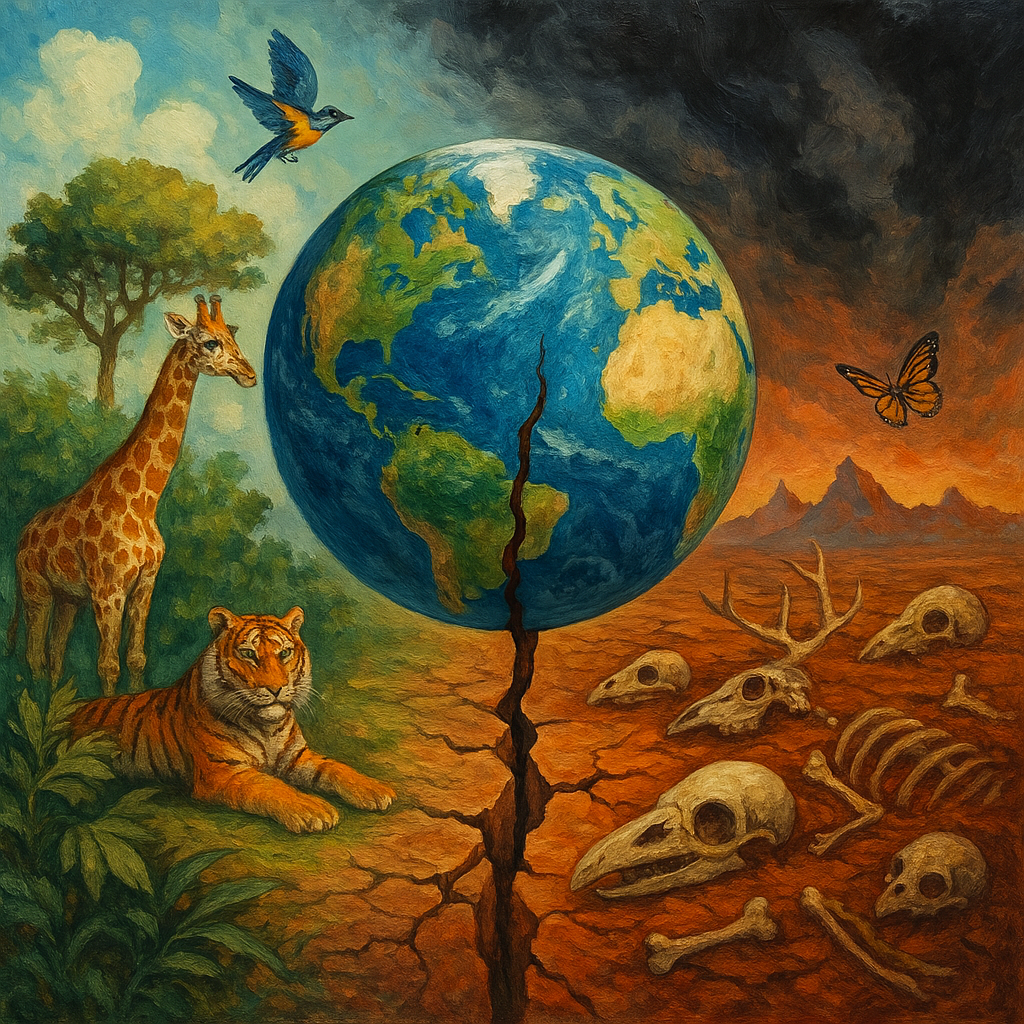
The loss of biodiversity can break the fragile balance of life on Earth.
Philippe Reclus
summary
Biodiversity loss refers to the decline in the variety and abundance of life on Earth, a phenomenon that threatens the delicate balance of ecosystems essential for sustaining life. This crisis is predominantly driven by human activities such as habitat destruction, pollution, climate change, overexploitation of species, and the introduction of invasive species, each contributing significantly to ecological degradation. Biodiversity is not only crucial for maintaining healthy ecosystems but also underpins vital services such as food production, clean water, and disease regulation, making its loss a pressing global concern.
The implications of biodiversity loss extend beyond environmental degradation, posing serious risks to human health, economic stability, and social structures. For instance, the decline in pollinator populations, which play a pivotal role in global food security, highlights the direct consequences of biodiversity loss on agriculture and, consequently, human nutrition and livelihoods.
Economically, the global costs associated with biodiversity loss are staggering, estimated to reach around $10 trillion annually due to increased healthcare expenses and agricultural losses. Vulnerable communities, particularly in developing regions, face the greatest challenges as their dependence on natural resources for survival intensifies amid declining biodiversity.
Controversies surrounding biodiversity loss often focus on the tension between economic development and conservation efforts. While there is a growing recognition of the need for sustainable practices, conflicts arise over land use, resource exploitation, and the prioritization of immediate economic benefits over long-term ecological health. Activists argue that urgent action is required to halt biodiversity decline and restore ecosystems, advocating for policies that integrate environmental sustainability with socio-economic development.
Addressing the biodiversity crisis necessitates comprehensive conservation strategies that encompass ecological and socio-economic dimensions. Integrated efforts at local, national, and global levels are essential for promoting biodiversity protection, ensuring that ecosystems can continue to thrive and support human life in a changing world.
Causes of Biodiversity Loss
Biodiversity loss is primarily driven by human activities that alter the natural environment. Several interrelated factors contribute significantly to this phenomenon, including habitat destruction, pollution, invasive species, overexploitation, and climate change.
Pollution
Pollution is another significant factor contributing to biodiversity loss. Various pollutants, including plastic waste, heavy metals, and chemicals, can harm ecosystems and the organisms that inhabit them. Air pollutants such as carbon dioxide and ammonia can directly affect biodiversity by altering habitats and the species that can survive within them.
The long-term effects of pollution on biodiversity are complex and still being studied, but the immediate impacts are evident in declining populations and compromised ecosystems.
Overexploitation
Overexploitation of species for food, medicine, and other resources leads to significant declines in biodiversity. Activities like extreme fishing and poaching have placed many species at risk, with one-third of Earth’s vertebrates facing extinction due to overexploitation.
This practice not only threatens the targeted species but also destabilizes entire ecosystems by disrupting food webs and ecological balances.
Habitat Destruction
One of the most critical causes of biodiversity loss is habitat destruction, which accounts for approximately 30% of the decline in biodiversity globally.
Activities such as deforestation, urban development, and large-scale agriculture lead to the degradation and fragmentation of habitats. This fragmentation isolates species and disrupts ecosystems, making it difficult for plants and animals to thrive.
The most endangered habitats are often found in biodiversity hotspots such as the Amazon rainforest, Southeast Asia, and African savannahs.
Invasive Species
The introduction of invasive species poses a severe threat to native biodiversity. These non-native species can outcompete, prey on, or bring diseases to native species, leading to significant ecological disruptions.
While not all introduced species become invasive, those that do can have disproportionate effects on their new environments, altering habitats and threatening local flora and fauna.
Climate Change
Climate change exacerbates existing threats to biodiversity. Changes in temperature and precipitation patterns can shift species distributions and disrupt ecological interactions.
Rapid climate change reduces the ability of species to adapt, thereby increasing extinction risks. The resulting loss of biodiversity also jeopardizes human interests in ecosystem services, such as clean water and air, food production, and disease regulation.
Consequences of Biodiversity Loss
Biodiversity loss has profound consequences that extend beyond the immediate environmental impacts, significantly affecting human health, social structures, and economic development. As ecosystems deteriorate, the essential services they provide, such as food security, water purification, and disease regulation, are threatened, leading to cascading effects on human societies and the environment.
Impact on Ecosystem Services
The decline in biodiversity directly threatens vital ecosystem services, which include pollination, soil fertility, and clean water supply. For instance, the decrease in bee populations, which are responsible for pollinating crops worth over $235 billion annually, poses a serious risk to global food security. The loss of diverse species diminishes the resilience of ecosystems, making them less able to recover from disturbances such as climate change or disease outbreaks. This instability can lead to increased soil erosion and reduced agricultural productivity, further exacerbating food insecurity.
Economic Implications
Economically, biodiversity loss is estimated to cost the global economy around $10 trillion annually due to healthcare costs from increased disease transmission and agricultural losses linked to declining pollinator populations. Rural communities, particularly in developing countries, are disproportionately affected as they rely heavily on natural resources for their livelihoods. As ecosystems degrade, access to clean water, fertile land, and wild foods becomes restricted, worsening poverty and inequality. This economic strain can also trigger social disruptions, including migration and conflict over dwindling resources, which can lead to further environmental degradation.
Social and Health Consequences
The social implications of biodiversity loss are significant, particularly for vulnerable populations. As natural resources become scarce, marginalized communities may be forced to migrate or adopt unsustainable practices, leading to increased poverty and social unrest. Additionally, biodiversity loss impacts human health; degraded ecosystems often fail to provide adequate social needs, leading to a rise in mental and physical health issues. Increased interactions between humans and wildlife due to habitat loss can elevate the risk of infectious diseases, further complicating public health challenges.
Urgency for Conservation
The multifaceted impacts of biodiversity loss underscore the urgent need for integrated conservation strategies that consider both ecological and socio-economic dimensions. Addressing the crisis of biodiversity loss is crucial for promoting a sustainable and equitable future, ensuring that both ecosystems and human societies can thrive.
Case Studies
This section presents an overview of eight case studies that illustrate the communicative processes involved in addressing biodiversity loss and climate change across different global contexts. The case studies originate from diverse geographical regions: Brazil and Colombia in South America, India and Bangladesh in South Asia, Tanzania and Egypt in Africa, and Germany and the British Isles of Scilly in Europe https://pmc.ncbi.nlm.nih.gov/articles/PMC10571513/ . Each case study provides unique insights into stakeholder communication, community involvement, and the challenges faced in promoting environmental conservation.
Overview of Case Studies
The eight case studies detailed in Table 2 cover various approaches to stakeholder communication and community engagement in the context of environmental challenges. They emphasize the critical importance of including local actors in the management of natural resources to foster effective conservation, mitigation, and adaptation strategies. While the Appendix contains comprehensive narrative accounts, the summaries in Table 3 highlight the communication dynamics within each case study, and Table 4 outlines the central successes, challenges, lessons learned, and unexpected outcomes.
Importance of Community Involvement
Community-level responses are vital in combating global challenges like climate change and biodiversity loss. However, the neglect of community engagement throughout project phases often leads to significant gaps in understanding and trust, hindering the success of environmental initiatives. Historical context reveals that despite the recognition of indigenous and local knowledge at the United Nations Conference on Environment and Development in 2002, effective bridging of communicative gaps remains inadequately addressed in both development and research frameworks.
Evaluating Communication Strategies
The case studies collectively highlight that effective communication strategies are paramount for achieving stakeholder engagement and collaboration. Research has shown that projects exhibiting advanced communication approaches tend to yield greater success and facilitate postcolonial moments, transformative interactions that disrupt traditional power dynamics and promote the coexistence of diverse knowledge systems. Conversely, projects that fail to adequately engage local communities often encounter backlash and diminished interest, as stakeholders prioritize immediate solutions over long-term engagement.
Key Findings and Recommendations
The analysis of these case studies not only identifies best practices in stakeholder communication but also underscores the necessity for a paradigm shift in how researchers and policymakers approach community engagement in the Global South. By integrating local knowledge and investing time in understanding community contexts, project leaders can foster a more inclusive and productive dialogue, ultimately leading to more sustainable outcomes in biodiversity conservation and climate resilience.
Conservation Efforts
Conservation efforts are critical in addressing the ongoing loss of biodiversity, which poses a significant threat to the ecological balance of life on Earth. These efforts can take various forms, focusing on protecting habitats, supporting local communities, and utilizing innovative strategies for sustainability.
Community-Led Conservation
Community-led conservation has emerged as an effective model that emphasizes the importance of local knowledge and stewardship in biodiversity protection. This approach trusts that local communities can manage their natural resources effectively when provided with the necessary resources and tools. Research indicates that community-led initiatives can be just as effective, if not more so, than traditional conservation strategies that exclude local populations from their environments. Upholding the rights and customary land tenure of Indigenous peoples and local communities is essential for achieving successful biodiversity conservation outcomes.
Funding and Financial Instruments
Securing diverse funding streams is vital for the sustainability of grassroots conservation initiatives. These projects can tap into various financial instruments, including microgrants from conservation associations and larger funding pools managed by governmental or international bodies. Innovative financing methods, such as green bonds and wildlife conservation bonds, have also been developed to attract private investment for ecosystem restoration and habitat preservation. These financial strategies not only support conservation efforts but also enhance community livelihoods, reinforcing the connection between biodiversity and community development.
Integrating Biodiversity with Sustainable Development
Linking biodiversity conservation with sustainable community development is a complex but necessary task. Challenges such as funding gaps and policy conflicts often hinder effective conservation strategies. For instance, national conservation priorities may conflict with local land use rights, creating tensions among communities. Addressing these challenges requires a holistic approach that considers the social and economic contexts of local populations while fostering a cooperative environment for biodiversity protection.
Innovations in Citizen Science
Citizen science has gained traction as a tool for biodiversity monitoring and conservation awareness. The Diffusion of Innovations model suggests that the adoption of innovative practices, such as digital platforms for biodiversity monitoring, is influenced by factors like simplicity and relative advantage. Projects like eBird demonstrate the effectiveness of engaging citizens in data collection, which not only contributes to scientific research but also enhances community involvement in conservation efforts. Moreover, strategies that enhance participant retention, such as gamification and regular feedback, are essential for maintaining long-term engagement in these initiatives.
Global Initiatives
Convention on Biological Diversity
The Convention on Biological Diversity (CBD), a component of the United Nations Environment Programme (UNEP), provides a comprehensive definition of biological diversity. It encompasses the variability among living organisms across various ecosystems, including terrestrial, marine, and freshwater environments. The CBD underscores the importance of biodiversity in maintaining ecological balance and the myriad services it provides, including climate stability, food security, and economic growth.
Sustainable Development Goals (SDGs)
The global governance framework surrounding biodiversity conservation has been significantly shaped by the adoption of the United Nations Sustainable Development Agenda in 2015, which established seventeen Sustainable Development Goals (SDGs). These goals are seen as a critical juncture in global policy, addressing multifaceted challenges such as wealth inequalities, political conflicts, climate change, and public health crises like the COVID-19 pandemic. The SDGs aim to foster an inclusive and sustainable development paradigm that integrates environmental, social, and economic dimensions, thereby influencing how biodiversity is protected and preserved worldwide.
Aichi Targets and Post-2020 Framework
In line with the CBD, the Aichi Targets were established as specific goals to enhance global biodiversity by 2020. They serve as benchmarks against which nations can develop national action plans tailored to their local biodiversity needs and social contexts. Following the Aichi Targets, the Post-2020 Global Biodiversity Framework aims to extend efforts towards 2030 and 2050, instituting new mechanisms for transparency, enforcement, and accountability to bolster biodiversity protection on a global scale.
Regional Cooperation and Initiatives
The Middle East and North Africa (MENA) region faces unique challenges in biodiversity conservation, necessitating a collaborative regional strategy. Regional organizations such as the League of Arab States (LAS) and the Gulf Cooperation Council (GCC) play crucial roles in environmental governance by fostering partnerships that promote sustainable practices and enhance data accessibility regarding environmental issues. However, there remains a notable gap in the active collaboration of these bodies specifically on Access and Benefit-Sharing (ABS) mechanisms outlined in the Nagoya Protocol.
Capacity Building and Education
Implementing cooperative research and capacity-building initiatives is essential for enabling countries to effectively address biodiversity loss. Policy commitments should support educational strategies that raise awareness about landscape transformation and biodiversity preservation. By integrating environmental education into formal curricula and incentivizing collaborative partnerships, nations can foster a culture of ecological consciousness among their citizens.
Educational Initiatives
Importance of Environmental Education
Educational initiatives play a crucial role in promoting awareness and understanding of biodiversity loss and its implications for the planet’s ecological balance. The development of national strategies and action plans focusing on environmental education is essential for raising awareness about landscape transformation and biodiversity preservation. These strategies can facilitate the adoption of innovative educational techniques that resonate with contemporary culture, encouraging active engagement from diverse audiences.
Policy Mechanisms
The integration of dynamic policy mechanisms is vital to stimulate educational outreach. Governments can incentivize collaborative partnerships among governmental agencies, non-governmental organizations, and private entities to expand the reach and impact of educational programs. Moreover, incorporating environmental modules into formal educational curricula through legislative measures ensures a systemic and long-term approach to cultivating ecological consciousness among learners.
Framework for Ecosystem Restoration Education
In alignment with global initiatives, such as the UN-led Greening Education Partnership, efforts are underway to develop a framework for embedding ecosystem restoration into both formal and non-formal educational settings. This initiative, known as the Education Challenge, was launched on May 22, 2023, coinciding with the International Day for Biological Diversity. It aims to map existing initiatives and establish a common agreement on quality lifelong learning outcomes for #GenerationRestoration, fostering collaboration to enhance the effectiveness of educational efforts.
Innovative Educational Programs
There are numerous educational programs that transcend traditional disciplinary boundaries and emphasize Nature-based Solutions (NbS). Notable collaborations, such as Robin Lasser’s Art About project at Big Basin Redwoods State Park, exemplify innovative approaches to integrating knowledge, creativity, and practical experience in environmental education. Such programs not only enhance understanding of biodiversity but also inspire actionable steps towards its preservation. Through these multifaceted educational initiatives, the importance of biodiversity and the necessity of its protection can be effectively communicated, fostering a more informed and proactive global community.