By Philippe Reclus
summary
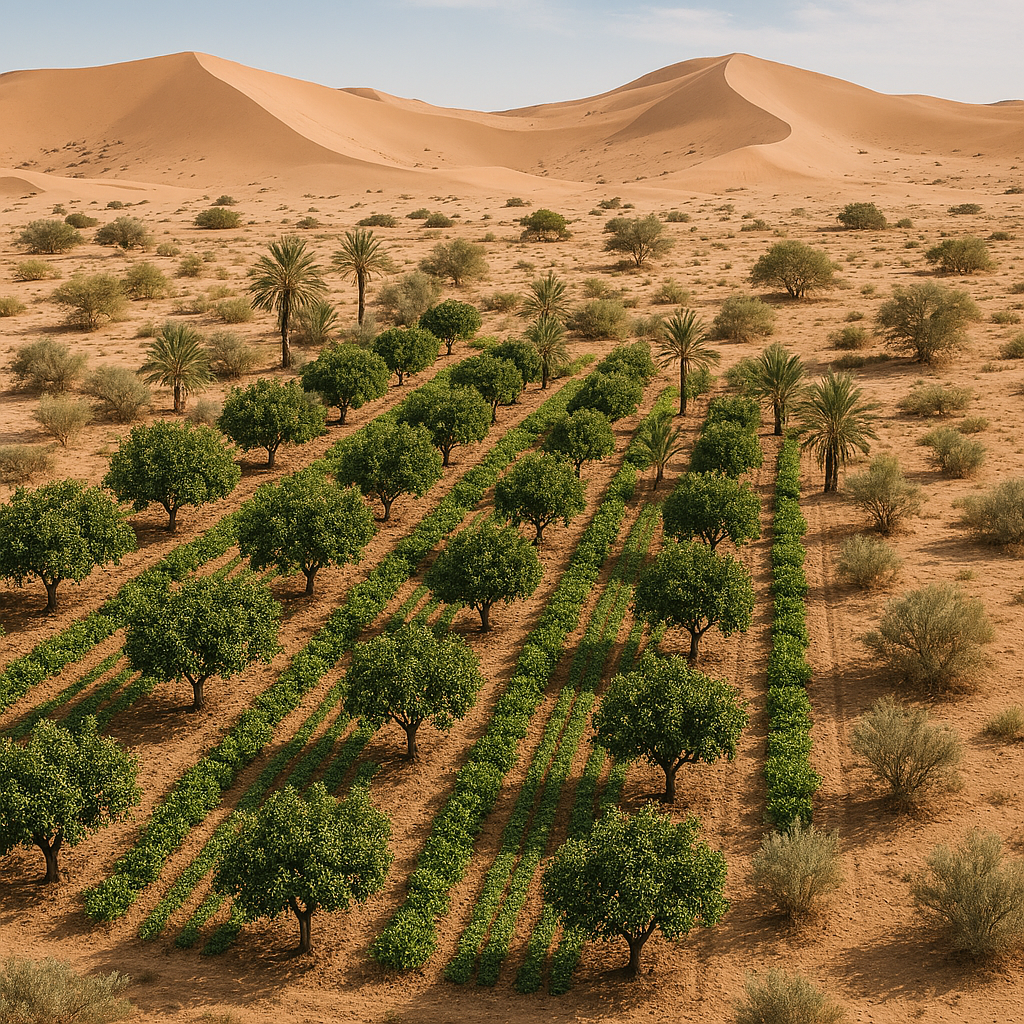
Natural resource preservation is critical for ensuring a sustainable supply of quality food for the growing global population, which is projected to reach nearly ten billion by mid-century. As natural resources such as soil, water, air, and biodiversity are foundational to agricultural productivity, their management directly impacts food security and environmental health. The significance of this topic is underscored by ongoing challenges including soil degradation, water scarcity, climate change, and socio-economic pressures, all of which threaten both the integrity of ecosystems and the ability to meet food demands. Effective practices for preserving natural resources encompass a range of strategies, including sustainable soil management, efficient water use, and conservation of biodiversity. Techniques such as conservation tillage, cover cropping, and integrated pest management contribute to healthier soils and improved water quality, while promoting biodiversity enhances ecosystem resilience to pests and diseases. Renewable energy sources in agriculture further exemplify innovative approaches that reduce environmental impacts while optimizing productivity. However, these methods face significant barriers, including insufficient policy support and a lack of awareness among consumers and producers about sustainable practices. The intersection of agriculture, environmental conservation, and food security is marked by prominent controversies, particularly surrounding the use of genetically modified organisms (GMOs) and precision agriculture technologies. While these innovations have the potential to significantly enhance yields and resource efficiency, public resistance and ethical concerns often complicate their adoption. Addressing these challenges requires a holistic approach that balances agricultural productivity with the long-term health of natural ecosystems, alongside active collaboration among policymakers, farmers, and conservationists. Ultimately, the sustainable management of natural resources is vital not only for maintaining agricultural productivity but also for ensuring that food systems are resilient in the face of environmental changes and socio-economic pressures. This complex interplay demands continuous evaluation and adaptation of practices to achieve a balance that meets the needs of both people and the planet.
Types of Natural Resources
Natural resources are essential for agricultural productivity and sustainability, playing a critical role in food security and environmental health. These resources include soil, water, air, and biodiversity, each contributing to the overall balance of agricultural ecosystems.
Soil
Soil is a fundamental natural resource that supports plant growth by providing nutrients, water, and a medium for root development. Healthy soil is crucial for high crop yields and can be preserved through practices such as conservation tillage, cover cropping, and crop rotation, which enhance soil structure and organic matter content. Unfortunately, agricultural practices have led to significant soil degradation, with a third of the world’s potential farmland already compromised due to erosion and nutrient depletion.
Water
Water is another vital resource for agriculture, directly influencing crop productivity and health. Sustainable water management practices, such as efficient irrigation systems and rainwater harvesting, help ensure that water supplies are adequate while reducing runoff and conserving natural water bodies. The integration of practices like integrated pest management further supports water quality by minimizing pesticide contamination in waterways.
Air Quality
Air quality is often overlooked as a natural resource, yet it significantly impacts agricultural operations. Agricultural activities can contribute to air pollution through the use of fertilizers and pesticides, which release harmful emissions. Sustainable farming practices aim to minimize these impacts by adopting strategies that reduce chemical inputs, thereby improving air quality for both human and environmental health.
Biodiversity
Biodiversity encompasses the variety of life in agricultural landscapes, including plant species, wildlife, and beneficial microorganisms. A diverse ecosystem can enhance resilience to pests and diseases, improve soil health, and increase pollination services essential for many crops. Conservation efforts that focus on maintaining wildlife habitats within agricultural areas can help foster biodiversity, contributing to more sustainable farming practices.
Renewable Energy Resources
The use of renewable energy sources, such as solar and wind, has gained traction in agriculture. These resources not only lower operational costs but also reduce the environmental footprint of farming. For example, solar panels can provide energy for irrigation and equipment, while wind turbines can help improve air circulation, benefiting crop health. Biogas production from organic waste further exemplifies how renewable resources can be harnessed in agricultural settings to enhance sustainability and reduce reliance on fossil fuel.
Challenges in Natural Resource Management
Natural resource management faces a multitude of challenges that complicate efforts to ensure sustainable food production while conserving essential ecosystems. These challenges stem from various factors, including agricultural practices, climate change, and socio-economic pressures.
Soil Degradation
One of the most pressing issues is soil degradation, particularly in regions such as the Mississippi Alluvial Valley, where intensive cultivation has led to diminished soil health and productivity. Over-reliance on inorganic fertilizers to maintain crop yields exacerbates the problem, creating a cycle of dependency that is unsustainable in the long term. The loss of soil quality undermines agricultural productivity, necessitating the exploration of alternative practices that promote soil health and sustainability.
Water Resource Management
Water scarcity is another critical challenge, driven by increasing agricultural demands and climate variability. As global water security concerns rise, there is an urgent need for local governments and stakeholders to adopt proactive measures for conserving water resources. This includes implementing best management practices that mitigate the negative impacts of agriculture on water quality and availability. Effective management strategies are vital to ensure that water remains accessible for both agricultural and non-agricultural uses.
Climate Change Adaptation
Climate change poses significant risks to natural resource management, as it affects agricultural productivity through altered weather patterns, increased pest pressures, and the frequency of extreme events like droughts and floods. Farmers are challenged to produce more food with fewer and less reliable natural resource inputs, necessitating innovative approaches to enhance agricultural resilience. These adaptations require not only technological advancements but also a shift in management practices to align with environmental sustainability goals.
Socio-economic Pressures
Additionally, socio-economic factors complicate resource management efforts. As the global population is projected to approach ten billion by mid-century, the demand for food will increase substantially, potentially leading to further encroachment on natural habitats. The need for agricultural productivity growth must be balanced with environmental conservation efforts, requiring a holistic assessment of the impacts of agricultural practices on ecosystems. Addressing these socio-economic pressures involves fostering collaboration among producers, policymakers, and conservationists to implement effective resource conservation strategies.
Sustainable Intensification
The transition to sustainable intensification presents both challenges and opportunities in addressing the demands of food security while minimizing environmental impact. Historically, the Green Revolution exemplified how technological advancements could significantly boost agricultural yields; however, these gains have often come at the cost of increased resource use and environmental degradation. A renewed focus on sustainable practices, such as residue and tillage management, can enhance soil organic matter, improve water quality, and promote biodiversity.
Strategies for Preserving Natural Resources
Soil and Water Conservation
Maintaining healthy soil and water resources is crucial for sustainable agriculture and food security. Practices such as year-round soil cover can sequester carbon, improve air quality, and enhance biodiversity by enabling soil to retain more water and reduce runoff. The use of low-grade weirs and tailwater recovery systems can further support these goals by improving water retention, reducing nutrient runoff, and enhancing sediment removal in agricultural settings.
Nutrient Management
Nutrient management planning is essential in balancing fertilizer applications with crop needs, thus reducing the potential for nutrient loading in water bodies. This farm-specific approach allows producers to apply fertilizers judiciously, which not only cuts costs but also protects water resources and improves soil conditions. Key principles include understanding existing soil conditions, identifying nutrient needs, managing inputs wisely, and documenting practices.
Sustainable Irrigation Practices
Irrigation water management practices are vital for maximizing water efficiency while minimizing erosion and ensuring optimal soil moisture levels for crop growth. This includes determining the volume, frequency, and application rates of irrigation water based on site-specific conditions, which enhances overall agricultural productivity. The integration of conservation practices like two-stage ditches can also improve drainage efficiency while promoting ecological benefits, ultimately supporting both agricultural and environmental goals.
Cover Crops and Residue Management
Planting cover crops as a soil management tool can significantly reduce erosion, enhance soil health, and suppress weeds. These crops, which can include grasses and legumes, improve moisture retention and minimize soil compaction. Additionally, effective residue and tillage management enhances soil organic matter and moisture, while fostering beneficial organisms like earthworms that improve soil productivity and reduce runoff.
Wildlife and Habitat Conservation
Promoting biodiversity within agricultural landscapes through habitat restoration and conservation practices can offer multiple benefits. Establishing buffers enhances habitat for various organisms, improves water quality, and supports stream bank stabilization. Programs designed to incentivize conservation practices provide landowners with resources to implement these strategies without sacrificing agricultural productivity, thus promoting a balance between economic and environmental goals.
Continuous Evaluation and Adaptation
Implementing effective conservation strategies requires ongoing evaluation and adaptation. Conservation planning should be a continuous process, where landowners analyze resource conditions, explore alternatives, and assess the effectiveness of their strategies. This iterative approach ensures that agricultural practices remain sustainable and aligned with the long-term health of natural resources.
Policy and Governance
The effective management of natural resources to ensure a sustainable supply of quality food requires comprehensive policies and governance frameworks that address the complex interplay between agriculture, the environment, and human health. There is a broad consensus on the importance of productivity growth in agriculture as a means to conserve resources and achieve long-term food security while mitigating climate change impacts. Policymakers play a critical role in facilitating market access and creating a level financial and regulatory playing field, which can help lower production costs and food prices, ultimately benefiting consumers.
Importance of Productivity Growth
Improved productivity, particularly in smallholder farming, is essential for economic growth in agriculture-based countries, especially in regions like Sub-Saharan Africa. A productivity revolution is necessary to reduce poverty and food insecurity in these areas. Addressing low productivity can increase the overall food supply, making nutritious foods more accessible and affordable for poorer families. Thus, advancing sustainable agricultural productivity growth is vital not only for economic reasons but also for eradicating extreme poverty and meeting environmental challenges.
Holistic Approach to Sustainability
To harness productivity growth for social, environmental, and economic sustainability, a holistic assessment of the intended and unintended impacts of such growth is required. This includes managing trade-offs and safeguarding social and environmental welfare. The Coalition on Sustainable Productivity Growth Coalition for Food Security and Resource Conservation (SPG Coalition) emphasizes the need for best practices and lessons learned in promoting sustainable productivity growth.
Addressing Barriers to Adoption
Despite the clear benefits of sustainable farming practices, several barriers hinder their widespread adoption. A lack of understanding regarding the intersection of agriculture, the environment, and human health persists among policymakers and consumers alike. Consequently, legislative frameworks often do not prioritize environmental capital, resulting in insufficient incentives for producers to adopt sustainable practices. Consumer awareness and demand for sustainable food options can significantly influence agricultural practices and spur producers to change their methods, highlighting the need for educational initiatives and consumer engagement strategies.
Policy Frameworks
Various policies can be implemented to promote sustainable agricultural practices, including incentives for organic farming, permaculture, and agroforestry initiatives. Additionally, existing voluntary programs, such as the Environmental Quality Incentives Program (EQIP) and the Agricultural Conservation Easement Program (ACEP), provide financial and technical assistance to producers aiming to adopt conservation practices. These programs are vital for promoting environmental stewardship while maintaining agricultural production and addressing local resource concerns.
Technological Innovations
Technological innovations play a crucial role in enhancing agricultural practices while ensuring the preservation of natural resources. These advancements not only optimize food production but also contribute to sustainability and efficiency across the agricultural sector.
Precision Agriculture
One of the most significant innovations is precision agriculture, which employs modern technologies such as satellite imagery, drones, and soil sensors to manage and analyze field variability. This data-driven approach enables farmers to make informed decisions regarding the use of inputs like fertilizers and water, thereby increasing crop yields while minimizing resource consumption and environmental impact. By focusing on specific areas within a crop field, farmers can target applications of chemicals more accurately, leading to reduced usage of herbicides and pesticides.
Genetically Modified Organisms (GMOs)
The development of genetically modified crops is another transformative advancement in agriculture. GMOs have been engineered for greater resistance to pests and diseases, as well as to tolerate extreme environmental conditions, which has resulted in higher yields and more efficient land use. However, the adoption of GMOs has faced public resistance, impacting their broader implementation despite the potential benefits they offer for food security and sustainability.
Indoor Vertical Farming
Indoor vertical farming represents a groundbreaking method of producing food in urban environments by utilizing space efficiently. This innovative approach enables the cultivation of crops in stacked layers, often using hydroponic or aeroponic systems that require significantly less water compared to traditional farming methods. As cities grow and arable land becomes scarce, vertical farming can provide a viable solution to meet the food demands of urban populations while conserving resources.
Farm Automation Technologies
Automation technologies have revolutionized agricultural practices by introducing machinery and systems that streamline various farming processes. This includes automated planting, harvesting, and monitoring systems that reduce labor costs and improve operational efficiency. These technologies not only enhance productivity but also contribute to more sustainable farming practices by minimizing human error and resource waste.
Artificial Intelligence and Data Analytics
Advancements in artificial intelligence (AI) and data analytics are further transforming agriculture by providing farmers with insights that improve decision-making. AI applications can analyze large datasets to identify patterns in crop health, soil composition, and weather conditions, allowing farmers to optimize their practices in real-time. This leads to improved crop management and increased productivity, ultimately supporting food supply while reducing environmental impacts.
Case Studies
REACH Program in Mississippi
The Mississippi State University REACH (Research and Education to Advance Conservation and Habitat) program exemplifies a proactive approach to conserving water resources while supporting agricultural producers. Developed in response to growing concerns over agriculture’s environmental impact, the program integrates research with outreach to assist landowners in documenting the benefits of conservation efforts. By combining conventional science with innovative practices, REACH aims to demonstrate the mutual benefits of conservation and agriculture, thereby facilitating technology and information transfer to producers.
Conservation Stewardship Program
The Conservation Stewardship Program (CSP) in the United States incentivizes agricultural producers to maintain and enhance existing conservation systems while adopting new practices. This program offers annual financial rewards based on performance in conservation activities and has been reauthorized through FY2018, although acreage enrollment goals have been adjusted. By supporting resource-conserving practices, CSP helps ensure that agricultural production is maintained alongside environmental stewardship, showcasing a successful model for sustainable agriculture.
Precision Agriculture Innovations
Precision agriculture is transforming farming practices by employing advanced technologies such as satellite mapping, drones, and soil sensors to optimize resource use. This method allows farmers to apply inputs like fertilizers and pesticides more efficiently, reducing environmental impacts while potentially increasing yields. Case studies have shown that the adoption of precision agriculture can lead to a reduction in water and fertilizer usage by up to 40%, demonstrating its effectiveness as a tool for both economic and environmental sustainability. These innovations represent a significant step forward in addressing the dual challenges of food security and environmental conservation.
Two-Stage Ditches
In Mississippi, the implementation of two-stage ditches for drainage and flood control serves as an effective case study for natural resource conservation. This technique helps manage water flow while also enhancing habitat for wildlife and improving water quality. By providing landowners with incentives to adopt such practices, the program not only addresses agricultural needs but also contributes to broader ecological goals, illustrating the potential for innovative approaches to achieve sustainable agricultural outcomes. Through these case studies, it becomes evident that integrating conservation practices with agricultural methods can lead to enhanced natural resource management, ensuring a sustainable food supply for future generations.