
By Philippe RECLUS
The analogy of the Earth as a spaceship is particularly relevant to understanding the importance of human solidarity.
Here are a few reasons why this solidarity is essential:
– Limited resources: like a spaceship, the Earth has limited resources of water, clean air, arable land and energy. If we don’t manage these resources collectively and fairly, we risk depleting them for future generations.
– Interconnected system: The different systems of Spaceship Earth (climate, ecosystems, human societies) are closely linked. An action in one region can have consequences for the whole vessel. For example, climate change, caused by human activities, affects all continents and all oceans.
– Vulnerability to crises: Natural disasters, pandemics and armed conflicts are examples of crises that can have a devastating impact on entire populations. International solidarity is essential to provide effective humanitarian aid and rebuild affected societies.
– Collective responsibility: We are all passengers on this spaceship called Earth. So we all have a responsibility to preserve it for future generations. By working together, we can find sustainable solutions to the environmental and social challenges we face.
In short, solidarity is essential to ensure the survival and well-being of humanity on Spaceship Earth. It is a sine qua non for building a fairer and more sustainable future for all.
Here are a few concrete examples of solidarity in action:
– The fight against climate change: international climate agreements, such as the Paris Agreement, show that countries are capable of cooperating to meet global challenges.
– Health cooperation: the development of vaccines against infectious diseases and the fight against epidemics are examples of solidarity.
– Humanitarian aid: humanitarian organisations intervene in crisis zones to bring relief to the most vulnerable populations.
In conclusion, Spaceship Earth is our only home. To preserve it, we need to adapt a long-term vision and work together to build a better future for all.
Developing a solidarity plan to better manage the resources of Spaceship Earth.
By Philippe RECLUS

This goes to the heart of many of the challenges facing humanity.
Spaceship Earth, our only home, is a complex system with finite resources. To ensure a sustainable future for all, it is imperative to develop a solidarity plan that encourages responsible and equitable management of these resources.
Here are a few ways of developing such a plan:
1- Awareness-raising and education :
– Inform crew members: it is essential to make the whole population aware of environmental issues and the importance of preserving natural resources.
– Educating the younger generation: integrating education in sustainable development from an early age to create aware and responsible crew members.
– Communicating good practice: promoting eco-responsible behaviour on a daily basis (sorting waste, reducing consumption, using renewable energy, etc.).
2- Governance and public policy :
– International agreements: strengthen cooperation between nations to put in place binding agreements aimed at reducing greenhouse gas emissions and protecting biodiversity.
– International regulations: implement ambitious public policies to encourage the circular economy, promote sustainable transport and support renewable energies.
– Economic taxation: reform the tax system to encourage businesses and individuals to adopt more environmentally-friendly behaviour.
3- Innovation and technology:
– Research and development: invest massively in research to develop new technologies to reduce our ecological footprint.
– Energy transition: accelerate the transition to a low-carbon energy model by focusing on renewable energies and energy efficiency.
– Sustainable agriculture: promote environmentally-friendly farming practices to feed a growing population while preserving soil and water.
4- Circular economy:
– Reduce, reuse, recycle: encourage the reduction of waste, the reuse of products and the recycling of materials to limit the extraction of new resources.
– Extend the life of products: encourage the design of durable and repairable products.
– Recovering waste: transforming waste into resources through innovative processes.
5- International solidarity:
– Helping developing countries: supporting the countries most vulnerable to climate change and helping them to develop sustainable economies.
– Sharing knowledge: facilitating the transfer of knowledge and technologies between countries to accelerate the ecological transition.
6- Civic engagement:
– Responsible consumption: encouraging consumers to make more sustainable purchasing choices and to favour local and seasonal products.
– Citizen involvement: support citizen initiatives in favour of the environment and encourage everyone to get involved.
In conclusion, building a sustainable future based on solidarity requires an unprecedented mobilisation of all members of the crew of Spaceship Earth.
By combining awareness-raising, ambitious public policies, innovation and solidarity, it is possible to transform Spaceship Earth into a fairer, more respectful and therefore more sustainable vessel for all crew members.
If planet Earth is considered a spaceship, how can human solidarity be established in such an interconnected system?
By Philippe RECLUS

The concept of “spaceship Earth” metaphorically frames the planet as a delicate vessel navigating the vastness of space, emphasizing the urgency for humanity to unite to address global challenges. Popularized by visionaries such as R. Buckminster Fuller and political leaders such as Adlai Stevenson, this metaphor highlights the Earth’s finite resources and the interdependence of all its inhabitants, fostering a sense of collective responsibility for environmental stewardship and social equity.
The metaphor emerged in the 1960s in a context of growing environmental awareness, advances in space exploration, and recognition of global interdependence, representing a paradigm shift in how societies perceive their relationship with the planet.
In the context of an interconnected global landscape, building human solidarity becomes paramount to effectively address pressing issues such as climate change, poverty, and social injustice. This solidarity transcends local boundaries and unites diverse groups toward common goals, emphasizing the importance of empathy, mutual support, and collective action.
Educational initiatives and grassroots movements play a crucial role in cultivating this spirit of solidarity, raising awareness of global challenges, and empowering individuals to advocate for change within their communities.
Ultimately, navigating the complexities of human solidarity in an increasingly interconnected world requires a balance between local action and global cooperation. By recognizing our shared responsibilities as inhabitants of “Spaceship Earth,” humanity can cultivate a unified approach to sustainability and equity, ensuring the viability of the planet for generations to come.
The Concept of Earth as a Spaceship
The metaphor of “Spaceship Earth” presents the planet as a small, vulnerable vessel navigating the vastness of space, emphasizing the need for humanity to act in unison for the greater good. This concept, popularized by figures such as R. Buckminster Fuller and political leaders such as Adlai Stevenson, emphasizes the importance of recognizing Earth’s finite resources and the interdependence of all its inhabitants. Fuller notably referred to Earth as a well-designed vessel that supports life, emphasizing that humans must navigate their shared journey responsibly, as members of the ship’s crew working together to maintain the viability of the planet.
Historical Context
The emergence of the spaceship Earth metaphor coincided with important historical developments in the 1960s, including heightened environmental concerns, advances in space exploration, and a growing awareness of global interdependence during the Cold War era. This period marked a shift in how people viewed their relationship with Earth, viewing it not just as a resource to be exploited, but as a delicate system that required careful management. The metaphor also reflects the technological optimism of the time, suggesting that science could provide solutions to the challenges facing humanity and the planet.
Implications of the metaphor
While the metaphor of spaceship Earth can foster a sense of solidarity and shared responsibility, it also has its limitations. Critics argue that depicting Earth as a spaceship can imply an oversimplified view of complex ecological systems, potentially leading to the illusion of human control over nature. Spaceships are typically designed for human needs, raising ethical concerns about the exploitation of Earth’s resources and the impact on other life forms as human populations grow and demand more from their environment.
Toward a unified approach
In order to effectively address the challenges posed by the concept of spaceship Earth, it is essential to cultivate a collective sense of responsibility within humanity. Barbara Ward has articulated the need for global cooperation, comparing humanity to a crew navigating a shared voyage through space. By recognizing their interdependence and the limits of their resources, individuals and communities can work toward creating sustainable systems that respect the balance of life on Earth, thereby ensuring a viable future for all its inhabitants. The spaceship metaphor, when adopted with prudence and awareness, can serve as a powerful catalyst for fostering human solidarity in an increasingly interconnected world.
Human Solidarity
Human solidarity is a profound concept that emphasizes the interconnectedness and mutual support between individuals and groups, especially in times of adversity. It embodies the idea of coming together to address common challenges and achieve common goals, serving as a crucial element in fostering unity and cooperation within communities and across nations.
Understanding Solidarity
Solidarity goes beyond mere sympathy; it involves a collective sense of responsibility and shared identity. Recognizing our interdependence inspires individuals to advocate for the well-being of others, even when their interests may differ from our own. This empathetic connection encourages individuals to engage in actions that support those facing hardship, thereby strengthening the fabric of community life.
Historical Context
The roots of community solidarity can be traced back to various historical crises, such as wars, natural disasters, and economic hardship. During World War II, for example, communities mobilized to support the war effort through initiatives such as rationing and local fundraising campaigns, illustrating the strength of community ties in the face of national conflict. Similarly, the Great Depression saw the emergence of many community initiatives aimed at helping the unemployed and restoring hope to families.
Solidarity in Local and Global Contexts
Local Solidarity
In local contexts, solidarity is manifested through local initiatives that respond to the immediate needs of community members. Examples include organizing food drives, providing shelter to the homeless, and providing emotional support during times of crisis. These collective efforts not only provide essential assistance, but also foster a sense of belonging and mutual aid among residents, thereby strengthening the social fabric of the community.
Global Solidarity Movements
In today’s interconnected world, the concept of solidarity transcends national boundaries, uniting people in pursuit of common goals, such as combating climate change, fighting poverty, and defending human rights. Global solidarity movements exemplify this phenomenon, where diverse groups collaborate across cultures and continents to advocate for justice and equity. These movements are essential for challenging systemic injustices and mobilizing collective action on a larger scale.
The Role of Solidarity in Social Movements
Solidarity is a core principle in various social movements, where individuals from different backgrounds come together to fight for justice and equality. For example, civil rights movements have historically united people across social, ethnic, and political divides to challenge injustices and advocate for equal treatment. This form of solidarity action highlights the importance of collective goals and shared aspirations in fostering social change.
Interconnectedness in Global Systems
Interconnectedness refers to the complex web of relationships and interactions between individuals, communities, nations, and ecosystems. It emphasizes the importance of recognizing how actions in one part of the world can have significant impacts elsewhere, requiring global cooperation and solidarity.
The Nature of Interconnectedness
Interconnectedness is not simply a social concept; it is a fundamental characteristic of life on Earth. Humans, like all organisms, exist within a framework of interdependence that fosters relationships and networking. As Simon Young’s research on the neurobiology of human social behavior highlights, this inherently social nature allows individuals to share feelings, emotions, and ideas, enriching life and promoting healthier lifestyles that benefit the broader community. This universal connection extends beyond human interactions, encompassing all living and non-living entities, including plants, animals, and celestial bodies.
Cultural Perspectives on Interconnectedness
Diverse cultures and worldviews emphasize the importance of interconnectedness. For example, First Nations, Inuit, and Métis perspectives often summarize this notion with the phrase “All my relationships,” reflecting a deep understanding that that all entities in the universe are interconnected and have intrinsic value. This worldview fosters a sense of responsibility for the environment and reinforces sustainable practices that have been maintained for millennia. Such cultural recognition is essential to understanding the global dynamics at play and encourages collective stewardship of the Earth.
Global Challenges and Cooperation
The challenges facing the modern world, such as climate change, public health crises, and economic disparities, illustrate the need for an interconnected approach to problem solving. Global cooperation brings together diverse stakeholders, including nations, NGOs, and individuals, to jointly address these multifaceted issues. For example, initiatives to promote biodiversity, reduce pollution, and manage water resources highlight the interconnected nature of environmental sustainability and global health. These efforts demonstrate how collective action can lead to comprehensive solutions that address the root causes of global challenges.
Implications for Sustainability and Equity
Understanding interconnectedness is essential to advancing global equity and sustainability. Recognizing that environmental degradation disproportionately impacts marginalized communities leads to social justice initiatives that advocate for both cultural preservation and environmental stewardship. By fostering an inclusive global perspective that accounts for cultural diversity and different worldviews, societies can better navigate the complexities of global interdependence. This holistic understanding fosters cooperation and solidarity, which are essential to building a sustainable future for all inhabitants of our shared “spaceship.”
Building Human Solidarity
Building human solidarity in an interconnected world is crucial to addressing global challenges and fostering a sense of collective responsibility. As the impacts of climate change, poverty, and social injustice transcend national boundaries, solidarity becomes a key principle that can unite diverse groups toward common goals.
Education and Outreach
Education plays a vital role in building solidarity by promoting awareness and understanding of global issues. As individuals learn about the complexities of societal challenges, they can more effectively engage in advocacy and support initiatives aimed at creating positive change. By fostering informed decision-making and inspiring individuals to take action, education is a powerful tool for nurturing a spirit of solidarity among diverse populations.
Local and Community Solidarity
Solidarity often begins at the local level, where communities come together to support their members in the face of adversity. This can be demonstrated through initiatives such as organizing food drives, providing shelter to the homeless, or providing emotional support to those in crisis. Such actions not only help those in need, but also cultivate a sense of belonging and caring among community members. This grassroots approach illustrates how solidarity can be operationalized to create resilient communities that stand together in difficult times.
The role of social movements
Social movements play an important role in promoting solidarity among individuals who share common interests or experiences. For example, workers affected by similar economic policies or people who have experienced discrimination based on ethnicity, culture, or sexual orientation often form groups that prioritize mutual support and collective well-being. These social groups can lead to the development of broader movements that advocate for change, demonstrating how solidarity can evolve from local initiatives to global campaigns.
Global solidarity movements
In the era of globalization, solidarity is not limited to local or national issues; it extends to global movements that address common challenges. Global solidarity movements unite people from different cultures and continents to address issues such as climate change, health inequalities, and human rights violations. For example, the environmental movement embodies a collective effort to promote sustainability and protect the planet, reflecting an understanding ension that individual actions can have far-reaching impacts on a global scale.
Challenges and Considerations
While solidarity has the potential to unite individuals and communities, it is important to be aware of its complexities. In some cases, solidarity can turn into blind loyalty, where groups protect their members without regard to moral or ethical considerations. Therefore, it is essential to balance solidarity with responsibility, ensuring that collective action is rooted in principled values and a genuine commitment to justice and fairness.
Challenges of Building Solidarity
Building solidarity in an interconnected world presents a myriad of challenges that can hinder collective efforts at mutual support and cooperation. These challenges often arise from socio-political, economic, and cultural disparities between individuals and nations.
Geopolitical Tensions
A key challenge to building global solidarity is the presence of geopolitical tensions and conflicting national interests. Countries may prioritize their sovereignty and national agendas over collaborative initiatives, making it difficult to build consensus on pressing global issues such as climate change, human rights, and economic stability. This tendency can lead to fragmented efforts that undermine the potential for effective solidarity, as nations may engage in unilateral actions that do not align with broader collaborative goals.
Economic Disparities
Economic inequalities further complicate the building of solidarity. Disparities in resources and capabilities between nations can lead to unbalanced commitments to collective action, with wealthier countries often holding more power in negotiations. This inequality can prevent less wealthy countries from fully participating in global dialogues or complying with international agreements, perpetuating a cycle of exclusion and discord. As a result, it becomes difficult to achieve genuine solidarity when all parties cannot contribute equally to common goals.
Cultural differences
Cultural differences also play an important role in shaping the dynamics of solidarity. Diverse political, social, and historical contexts can lead to misunderstandings and a lack of common ground between groups. Solidarity can sometimes degenerate into blind loyalty, where individuals prioritize allegiance to their group over principled positions based on shared values, further complicating cooperative efforts. This challenge underscores the importance of fostering inclusive dialogues that respect and recognize diverse perspectives.
Bureaucratic barriers
Furthermore, the bureaucratization of solidarity initiatives can be an obstacle to effective action. A heavy reliance on formal structures and regulations can stifle grassroots movements and limit the flexibility needed to adapt to evolving challenges. Calls for more grounded and pluralistic approaches that reclaim volunteer activism and mutual aid reflect a desire to counter these bureaucratic tendencies. However, transforming established practices within organizations and institutions remains a major challenge.
Future Directions for Global Solidarity
Embracing Technology to Connect and Empower
As the world becomes increasingly interconnected, harnessing technology will be crucial to fostering global solidarity. The advent of digital communication platforms has transformed the way individuals and communities interact, providing unprecedented opportunities for collaboration across borders. Social media, online forums, and virtual communities enable people from diverse backgrounds to share experiences, engage in dialogue, and work together toward common goals. This technological empowerment is particularly vital in regions facing systemic challenges, as it enables tailored solutions that address unique circumstances, thereby strengthening social equity on a global scale.
Collaborative approaches to global challenges
International solidarity will build on collective action to address pressing global issues such as climate change, inequality, and human rights violations. Global movements, including movements for gender equity, environment and health, illustrate how solidarity transcends borders to unite people in pursuit of common goals. By aligning efforts and strategies, these movements not only amplify their impact, but also foster a collective voice that can lead to transformative change. This interconnected approach is essential at a time when no country can address global challenges in isolation.
Fostering a Culture of Mutual Support and Understanding
The future of global solidarity depends on fostering a culture of mutual support and understanding. Solidarity is not only about addressing immediate needs, but also about creating a sense of belonging and caring within communities. By recognizing that social injustices are interconnected and that our fates are intertwined, individuals can cultivate the empathy and collaboration that are essential to a cohesive global society. This cultural shift can be encouraged through education and awareness initiatives that emphasize shared human experiences and the benefits of solidarity.
Addressing Inequality and Creating Equal Opportunity
A crucial aspect of promoting global solidarity is addressing the systemic inequalities that hinder collective progress. Solidarity initiatives must focus on creating equal opportunities for all individuals, recognizing that different levels of access to resources and opportunities exist globally. Efforts to empower marginalized communities and ensure equitable distribution of resources can lead to a more just and stable world. As the global landscape continues to evolve, these initiatives will be fundamental to promoting both individual well-being and collective security.
Can solidarity among all human beings reduce vulnerability to future crises that spaceship Earth will face?
By Philippe RECLUS

summary
Solidarity among all human beings is increasingly recognized as a vital mechanism for reducing vulnerability to future crises faced by « spaceship Earth, » a term that encapsulates the interconnectedness of global challenges such as climate change, economic instability, and public health emergencies. As humanity grapples with these pressing issues, the ability to forge communal bonds and collaborative responses is not only a moral imperative but also a practical strategy for enhancing resilience. By fostering a sense of belonging and mutual support, solidarity can mitigate the impacts of crises and promote adaptive responses, emphasizing the significance of collective action in safeguarding the well-being of communities worldwide. The notion of solidarity is rooted in the principles of community resilience, which underscore the importance of local knowledge, social capital, and inclusive engagement in building adaptive capacities. Historical analyses reveal that communities that actively remember past adversities and engage in collaborative storytelling are better equipped to navigate future challenges. For instance, grassroots movements have emerged as powerful vehicles for mobilizing support, promoting awareness, and addressing systemic inequalities that often exacerbate vulnerability during crises. Such initiatives highlight the role of community narratives in shaping responses to disasters and underscore the necessity of incorporating diverse perspectives into resilience-building efforts. However, the pursuit of solidarity is not without its challenges. Economic disparities, political repression, and social fragmentation can impede collective action, creating obstacles that communities must navigate to achieve unified responses. In an era where the repercussions of crises are increasingly global, the need for inclusive dialogue and collaboration among diverse stakeholders is paramount. Additionally, emerging issues related to digital organizing and algorithmic control can hinder solidarity movements, complicating efforts to mobilize support and foster communal ties. Overall, the potential for solidarity to reduce vulnerabilities and enhance resilience in the face of global crises is profound. By emphasizing interconnectedness and collective action, solidarity serves as both a framework for addressing immediate needs and a strategy for tackling systemic inequities. As communities and nations strive to confront the multifaceted challenges of the 21st century, cultivating solidarity may prove essential for fostering a more equitable and sustainable future for all.
Historical Context
Memory and Collective Action in Disaster Response
Historical perspectives on disaster response highlight the critical role of collective memory in shaping community resilience and adaptation strategies. For instance, the reconstruction of memories from significant local events, such as the floods of 1974, enabled communities to effectively navigate the Queensland flooding in 2011. Community members utilized a shared memoryscape built through storytelling and memorials to enact lessons learned from past experiences, demonstrating how collective memory can inform future disaster preparedness and response efforts.
The Dynamics of Memory-Making
Memory-making processes, which involve communal engagement in determining what to remember and what to forget, are pivotal in crafting community identity post-disaster. Communities often create sacred spaces, memorials, and monuments that reflect a collective agency in shaping future trajectories of action. For example, in Joplin, Missouri, residents actively constructed a narrative surrounding the destructive tornado of 2011, emphasizing themes of resilience and compassion rather than merely the trauma experienced. This narrative has since become integral to the community’s identity, showcasing how memory and storytelling can transform collective experiences into a source of strength.
The Role of Elite Narratives versus Grassroots Memory
However, the dynamics of collective memory are often contested, with grassroots narratives clashing against elite-level interpretations. The struggle between remembering and forgetting can manifest through varying media reports and personal accounts, leading to « sanitized » memories that gloss over the complexities of disaster experiences. This tension highlights the importance of recognizing diverse narratives in the memory-making process and the necessity of inclusive dialogue in rebuilding efforts.
Mobilization Patterns During Crises
Historical analysis also reveals changing patterns of mobilization during crises, emphasizing the need for coordinated responses among civic society actors. The development of these networks can facilitate effective disaster responses and foster a sense of belonging among community members, ultimately enhancing resilience against future challenges.
Theoretical Framework
Community Resilience and Solidarity
The theoretical foundation for understanding how solidarity can mitigate vulnerabilities to crises is rooted in the concept of community resilience. Community resilience is characterized by the ability of communities to withstand, adapt to, and recover from various adversities, including public health crises and natural disasters. Central to this idea is the « One Community at a Time » paradigm, which emphasizes the unique characteristics of each community and the importance of local knowledge and social capital in fostering resilience. By acknowledging the diverse needs and strengths of communities, this framework facilitates the development of context-specific strategies that enhance their ability to respond to crises.
Engaging Stakeholders
Effective engagement of stakeholders is critical in building community resilience. This includes the active participation of community members in resilience-building initiatives, which not only promotes inclusivity but also ensures that varied perspectives are integrated into decision-making processes. The method of impact mapping can be applied here, as it provides a broader view of expected changes, illustrating the interconnectedness of community actions and their impacts on both local and external stakeholders. Moreover, fostering solidarity among community members can enhance social networks, thereby strengthening the collective capacity to respond to crises.
The Role of Governance and Leadership
Leadership and governance play essential roles in fostering community resilience through solidarity. Effective governance promotes transparency, accountability, and responsiveness, which are vital for building trust among community members. An inclusive decision-making process that values diverse opinions not only enhances credibility but also strengthens the communal fabric, making it more resilient to external shocks. Theoretical frameworks suggest that resilient communities are those where effective leadership actively cultivates solidarity and mutual support among residents.
The Interconnectedness of Challenges
Understanding the interconnectedness of global and local challenges is also crucial. Many global issues, such as climate change and pandemics, disproportionately affect vulnerable communities. Addressing these challenges requires a solidarity-driven approach that not only focuses on local adaptations but also seeks to remedy systemic inequities that exacerbate vulnerability. This perspective aligns with Pope Francis’s call for a renewed understanding of solidarity that addresses structural causes of poverty and inequality. Thus, solidarity is not merely a communal response but also a strategic framework for tackling the root causes of crises.
Current Global Challenges
The interconnected nature of today’s world means that crises in one area can have profound effects elsewhere, underscoring the necessity for global solidarity in addressing contemporary challenges. Economic instability, climate change, and health crises are among the foremost issues that threaten the well-being of humanity.
Climate Change
Climate change poses an existential threat that exacerbates existing vulnerabilities and disproportionately impacts marginalized communities. The climate crisis requires a unified global response, as no single nation possesses all the solutions necessary to combat its effects. As noted by various experts, extreme weather events have intensified, and the poorest populations bear the brunt of these consequences, including displacement and loss of livelihoods. The urgent need for countries to enhance their climate commitments, eliminate fossil fuels, and invest in renewable energy is critical to limiting global temperature rise and fostering resilience.
Economic Instability
The global economy has faced severe disruptions due to financial crises, which have disproportionately affected developing nations. Mirko Cvetkovic, the Prime Minister of Serbia, highlighted that these nations have suffered significant setbacks, as falling external demand, contracting trade, and reduced foreign investment threaten their development goals. As a result, over 93 million workers are projected to fall into the « working poor » category, particularly in South Asia and Sub-Saharan Africa, as economies struggle to recover from the crisis.. Cvetkovic emphasized the urgency of resolving global economic instability and noted that without prompt action, economic downturns could escalate into broader social and political crises, affecting global peace and stability.
Health Crises
The COVID-19 pandemic has underscored the fragility of global health systems and the interconnectedness of economies. As the pandemic escalated into an economic crisis, countries worldwide faced significant challenges, with many falling into recession due to lockdowns and reduced mobility. In response, civil society organizations and governments initiated solidarity initiatives to support vulnerable populations, illustrating the importance of collaborative action in times of crisis. The lessons learned from the pandemic highlight the necessity for robust global health strategies to mitigate the impact of future health emergencies.
The Role of Solidarity in Crisis Management
Social solidarity plays a crucial role in managing crises by fostering a collective response that mitigates vulnerabilities across different communities. During times of crisis, such as natural disasters or public health emergencies, the need for solidarity becomes urgent as it represents a powerful mechanism to alleviate the shocks that crises can impose on societies. The concept of solidarity is not merely an abstract idea; it serves as a catalyst for communal action, bridging gaps between diverse groups and facilitating mutual support.
Community Engagement and Resilience
Effective community engagement is fundamental to rebuilding efforts post-crisis. Initiatives that invite local residents to contribute ideas and feedback, such as Christchurch’s « Share an Idea » campaign, exemplify how community involvement can foster a sense of ownership and pride. This participatory approach enhances social cohesion and strengthens community identity, which is essential for resilience. Furthermore, volunteering and civic participation allow individuals to work towards shared goals, thereby reducing feelings of isolation and anxiety that often accompany crises.
International Solidarity in Global Challenges
The significance of international solidarity is particularly evident in the context of global challenges like climate change. Collaborative efforts among nations, such as the Breakthrough Agenda initiated at COP26, underscore the necessity of global partnerships in addressing environmental issues and achieving net-zero emissions. These international agreements reflect a collective understanding that environmental conservation and sustainable development require united efforts, transcending individual national interests.
Bridging Differences Through Solidarity
Solidarity acts as a means of bridging differences among various communities, allowing them to come together in times of need. Activists often play a pivotal role in fostering cross-community solidarity, emphasizing the importance of collective action in response to crises. This interconnectedness is essential for overcoming the uneven distribution of vulnerability across different groups, ensuring that support reaches those who need it most.
Long-term Strategies for Resilience
Building resilient communities necessitates proactive strategies that prioritize inclusivity and adaptability. Investments in adaptive infrastructure, early warning systems, and capacity-building efforts are essential for enhancing a community’s ability to withstand and recover from future crises. By recognizing and supporting the most vulnerable groups, communities can create a more equitable and effective framework for crisis management, ultimately leading to stronger solidarity among all members.
Case Studies
Community Responses to Environmental Crises
The interplay between community resilience and extreme environmental events is illustrated through various case studies that highlight how solidarity can mitigate vulnerability. For instance, in response to bushfires in Western Australia, community members adopted emergent action strategies, relying on local networks of control and improvisation to complement formal disaster responses. This approach allowed for rapid mobilization of resources and expertise, showcasing the effectiveness of communal solidarity during unprecedented crises.
Refugee Solidarity Initiatives During COVID-19
The COVID-19 pandemic exposed significant vulnerabilities among refugees and asylum seekers, who faced challenges such as limited healthcare access, economic hardships, and social stigmatization . However, the pandemic also spurred the formation of solidarity initiatives within host communities. Studies indicate that these grassroots movements played a crucial role in addressing the specific needs of refugees, highlighting how social solidarity can create supportive networks that alleviate stress and enhance resilience during health crises . Such initiatives illustrate the importance of community-driven responses in improving the socio-economic well-being of marginalized groups amidst broader systemic challenges .
Youth-Led Environmental Advocacy
Community-led environmental advocacy exemplifies how solidarity can drive systemic change. The Sunrise Movement, a youth-led organization in the United States, has successfully mobilized young people to demand action on climate change through protests and grassroots organizing . This movement not only addresses pressing environmental challenges but also fosters a sense of solidarity among diverse groups advocating for a sustainable future. The collaboration among various stakeholders exemplifies the potential of solidarity networks to influence government policies and promote resilience against environmental degradation .
Global Climate Justice Movements
Connecting local climate justice initiatives globally demonstrates another facet of solidarity that enhances resilience against environmental crises. Movements that link grassroots organizations across the Global South are vital for building advocacy efforts that address both immediate needs and long-term goals for sustainable environmental governance . This approach emphasizes the necessity of solidarity in the face of recurrent climate catastrophes, as communities work together to protect their rights and resources while promoting systemic change . By fostering interconnectedness among diverse groups, these initiatives illustrate the power of solidarity in addressing the complexities of global environmental challenges. Through these case studies, it becomes evident that solidarity among communities not only reduces vulnerability to future crises but also fosters resilience and collaborative action in the face of significant challenges.
Strategies to Foster Solidarity
Understanding Solidarity in Environmental Justice
Solidarity is a fundamental principle in the environmental justice movement, where it signifies collective action towards shared goals, particularly in supporting the struggles of activists across the globe. It also encompasses broader social justice issues, recognizing the interconnectedness of systemic challenges faced by various communities. By acting together, groups not only amplify their impact but also build resilience against environmental and human rights abuses through campaigns such as « Planet over Profit ».
Forms of Solidarity Action
Solidarity can manifest in various forms, including participation in demonstrations organized by other groups, lobbying for policy changes, and sending messages of support. This active engagement is crucial for reinforcing community ties and demonstrating a unified stance against shared adversities. The emotional connections formed through these actions can significantly enhance community cohesion and resilience, especially during crises.
Grassroots Movements and Community Engagement
Grassroots activism is pivotal in fostering solidarity, particularly among marginalized groups. Movements like Black Lives Matter exemplify how community-driven efforts can mobilize individuals to confront social injustices and promote systemic change. These grassroots initiatives not only elevate the voices of the oppressed but also build a collective identity that strengthens community bonds and resilience.
Education and Awareness Campaigns
Educational programs play a crucial role in fostering a sense of responsibility and inspiring collective action among community members. For instance, initiatives like Earth Guardians empower youth by providing them with the knowledge and tools to advocate for sustainable practices and environmental justice. By raising awareness about critical environmental issues, these campaigns cultivate a culture of solidarity and proactive engagement within communities.
Supporting Citizen-Led Initiatives
Local governments can enhance solidarity by recognizing and supporting citizen-led initiatives that address local challenges. By providing funding, resources, and platforms for collaboration, local authorities can empower communities to take ownership of their resilience strategies. This support fosters a sense of solidarity among residents, encouraging them to engage in initiatives that strengthen social networks and resource-sharing during crises.
Building Emotional Solidarity
Emotional connections among community members are vital for fostering solidarity and resilience. Shared experiences, whether positive or negative, can strengthen bonds and encourage cooperative responses to challenges. When individuals identify with their peers based on common experiences or fate, they are more likely to support each other, thereby enhancing the overall resilience of the community.
Challenges to Solidarity
Solidarity, while fundamentally important for addressing global crises, faces numerous challenges that can hinder collective action among individuals and communities. These challenges are often rooted in systemic inequalities, social disparities, and geopolitical dynamics.
Economic Inequality and Vulnerability
One of the most significant barriers to solidarity is the stark economic inequality that exists both globally and within nations. The wealthiest 10% of the population are responsible for a disproportionate amount of carbon emissions, while the poorest communities bear the brunt of climate impacts and social unrest. This inequality not only exacerbates vulnerabilities but also complicates the ability of marginalized groups to participate fully in solidarity efforts. The notion of solidarity must contend with the reality that many individuals are struggling for basic survival, which can divert focus from collective initiatives to immediate personal concerns.
Political Repression and Criminalization of Activism
In many regions, the increasing criminalization of activists and growing state repression pose direct threats to solidarity movements. Activists often face stigma, discrimination, and legal repercussions for their efforts to advocate for social and environmental justice. This environment of fear and repression can inhibit collective organizing and discourage participation, as individuals may prioritize personal safety over collective action.
Social Fragmentation and Apathy
Social fragmentation and apathy within communities also hinder the development of solidarity. In contexts where individuals feel alienated or lack trust in institutions, the potential for collective action diminishes. Inequalities related to gender, education, and access to resources contribute to this fragmentation, making it difficult to cultivate a unified front necessary for effective solidarity. Moreover, the challenge of building a cohesive collective identity amidst diverse experiences and backgrounds can create additional barriers to solidarity.
Digital Organizing and Algorithmic Control
The rise of digital platforms has transformed organizing strategies but also introduced new challenges. Many movements that previously relied on social media for outreach and mobilization now face increased scrutiny and control from these platforms. Algorithmic changes and surveillance tactics can stifle the reach of solidarity messages, making it essential for movements to rethink their digital strategies. Additionally, the digital divide means that not all individuals have equal access to online organizing tools, further complicating collective efforts.
Overcoming Historical Contexts and Power Relations
Historical contexts, including colonial legacies and existing power relations, significantly impact the feasibility of solidarity among different communities. These factors often perpetuate disparities and distrust, making it crucial for solidarity movements to address these historical injustices head-on. Activists must navigate complex narratives of oppression while striving to build a collective identity that acknowledges and respects these diverse histories. The ongoing struggle against entrenched systems of power and privilege can create significant friction within solidarity efforts.
Why is the solidarity of each individual with all of humanity a collective responsibility on spaceship earth?
By Philippe RECLUS

summary
The concept of solidarity as a collective responsibility underscores the interconnectedness of individuals within the broader fabric of humanity, asserting that each person’s well-being is inherently linked to that of others. This principle has historical roots in various social movements, such as the Civil Rights Movement in the United States, which sought to promote justice and equality for marginalized groups. Landmark legislation, including the Civil Rights Act of 1964 and the Voting Rights Act of 1965, exemplifies the collective efforts aimed at dismantling systemic injustices and highlights the moral imperative for individuals to act in solidarity with one another to foster social change.. Globally, movements like Gandhi’s Salt March and contemporary initiatives such as the MeToo movement illustrate how collective responsibility manifests in action, advocating for not only racial and gender equity but also environmental justice.. The philosophical discourse surrounding solidarity further emphasizes its significance, with thinkers like Émile Durkheim and Axel Honneth exploring the ethical dimensions and social implications of solidarity as a foundational aspect of a cohesive society.. Such perspectives reveal that solidarity is not merely a social contract but an ethical commitment that binds individuals together, creating a moral obligation to support one another. Despite its importance, the pursuit of solidarity faces challenges, particularly in contexts of rising inequality, social fragmentation, and individualism. Economic systems that prioritize self-interest can undermine collective well-being, while cultural differences may hinder mutual understanding and cooperation.. Addressing these challenges requires an investment in social protection and community engagement to foster an environment where individuals feel empowered to act collectively for the greater good. The exploration of solidarity as a collective responsibility not only highlights its ethical and philosophical foundations but also calls for practical applications that promote meaningful social change across diverse contexts..
Historical Context
The concept of solidarity as a collective responsibility has deep historical roots, evolving through various social movements and philosophical discourses. It is often framed within the context of pivotal events that shaped societal values around justice, equality, and interdependence.
The Civil Rights Movement
One of the most significant movements advocating for collective responsibility and solidarity was the Civil Rights Movement in the United States during the 1950s and 1960s. This movement sought to dismantle institutionalized segregation and achieve equality for African Americans. Landmark decisions such as Brown v. Board of Education in 1954 and the enactment of the Civil Rights Act of 1964 exemplify the legal and political strides made toward justice. The passage of the Voting Rights Act of 1965 further demonstrated a collective effort to eliminate barriers preventing African Americans from exercising their fundamental rights.
Global Movements for Social Change
Throughout history, various global movements have also highlighted the interconnectedness of individuals within the larger framework of humanity. For instance, Gandhi’s Salt March in 1930 served as a nonviolent resistance against British rule, emphasizing how collective action could challenge systemic injustice affecting all citizens, particularly the marginalized. Such movements have laid a foundation for contemporary social justice campaigns, which increasingly emphasize solidarity as a core principle. Organizations like the Movement for Black Lives, Occupy Wall Street, and the MeToo movement have invoked solidarity as a means to address not only racial and economic inequalities but also broader issues such as gender rights and environmental justice.
Philosophical Underpinnings
The philosophical discourse surrounding solidarity has also evolved, with significant contributions from figures such as Émile Durkheim, who viewed society as an interconnected system governed by shared norms and values. Durkheim’s work established a foundation for functionalism in sociology, arguing that societal stability relies on the collective responsibility of individuals to uphold social order. In more recent discussions, scholars like Axel Honneth and John R. Searle have engaged with the nature and value of solidarity, striving to bridge the divide between analytical and continental traditions in social philosophy. These historical moments and philosophical explorations collectively illustrate that the solidarity of each individual with all of humanity is not merely an abstract ideal, but a necessary framework for fostering social cohesion and addressing injustices that affect the collective.
Theoretical Perspectives
Conceptualizing Solidarity
Solidarity can be understood as a distinctive social kind that reflects the interconnectedness of individuals within a collective. This perspective highlights that solidarity goes beyond mere social contract agreements and taps into deeper ethical commitments that bind individuals together in a community. According to Tuomela, solidarity involves collective intentionality and the recognition of group agency, suggesting that social bonds form the basis of moral and ethical responsibility within a society.
Ethical Dimensions of Solidarity
The ethical implications of solidarity are multifaceted, encompassing various moral theories. For instance, deontological theories emphasize the duty individuals owe to one another as part of their moral obligations, which can include the maintenance of interpersonal bonds that foster communal ties. In contrast, utilitarian perspectives may frame solidarity in terms of the overall happiness and well-being that arises from collective cooperation, underscoring the importance of actions that promote the greater good for all.
Functionalist Approach to Solidarity
An alternative viewpoint is the functionalist approach, which argues that solidarity is not merely about adherence to moral duties but about the functional roles these interpersonal bonds serve in society. This view posits that solidarity involves a disposition to value relationships and respond to the needs of others, particularly in contexts where individuals’ interests are intertwined. This understanding suggests that while deference to the needs of others is crucial, failing to defer does not necessarily equate to a loss of solidarity, thereby allowing for a more nuanced interpretation of moral demands within social relationships.
Historical Context and Development
Historically, the concept of solidarity has evolved, particularly in response to socio-political changes and ideological rivalries, such as those seen during the Cold War. Hannah Arendt’s exploration of solidarity in « The Origins of Totalitarianism » reflects this complexity, where she navigates between notions of national unity and international solidarity, illustrating how the term encompasses a wide array of meanings influenced by varying political contexts. This historical perspective underscores the importance of theoretical clarity in understanding solidarity as a dynamic social phenomenon shaped by collective experiences and ethical considerations. In sum, the theoretical perspectives on solidarity illustrate its role as a collective responsibility that transcends individual interests, emphasizing the interconnectedness of humanity and the moral obligations individuals have toward one another.
Implications of Solidarity
Solidarity as a Social Kind
The concept of solidarity is essential in understanding collective action within social and political philosophy. Solidarity among individuals, such as workers in a factory, plays a critical role in motivating coordinated efforts aimed at improving their circumstances, such as striving for better working conditions. Additionally, solidarity helps groups navigate collective action problems, including scenarios like the Tragedy of the Commons, where shared resources are at risk of depletion due to individual self-interest.
Collective Responsibility
Solidarity inherently entails a dimension of collective responsibility. This notion extends beyond the actions of discrete individuals to encompass the moral responsibilities of groups. Unlike personal responsibility, which is often tied to individual free will, collective responsibility attributes causal responsibility and blameworthiness to groups as a whole, linking them to the consequences of their collective actions. This framework encourages individuals to acknowledge their interconnectedness with humanity, fostering a sense of moral obligation toward collective well-being.
Emotions and Moral Responsibility
Emotions play a significant role in the dynamics of solidarity and collective responsibility. The fittingness of emotions, such as resentment or fear, can inform our judgments about moral responsibility. For instance, feelings of resentment towards a group can signify a perceived failure in fulfilling collective obligations, highlighting the relational aspects of solidarity. This suggests that fostering positive emotional responses within communities can enhance solidarity and accountability.
Community Engagement and Social Movements
Effective community engagement is vital for harnessing solidarity in grassroots movements. Activists often mobilize support by fostering dialogue within communities, thereby cultivating a robust collective identity that is essential for effective collective action. Movements addressing social issues such as poverty, inequality, and environmental concerns benefit from this solidarity, as it enables them to draw upon the collective wisdom and diverse experiences of community members.
The Role of Communication
Communication strategies are crucial in reinforcing the implications of solidarity. Grassroots movements utilize various channels, including social media and traditional outreach, to amplify their messages and engage a wider audience. By facilitating clear and effective communication, these movements can enhance participation and solidarity among individuals, ultimately leading to more impactful collective actions.
Challenges to Solidarity
Solidarity as a social principle faces numerous challenges, particularly in contemporary contexts characterized by rising inequality and competition. High levels of inequality can erode trust within communities, increase violence, and hamper social cooperation, which are essential components for fostering solidarity.
In regions like Asia and the Pacific, disparities in income and access to basic opportunities contribute significantly to weakened social bonds, making it difficult for individuals to support one another effectively.
Economic Influences
The contemporary capitalist framework often emphasizes individual gain and competition, which can conflict with the values underpinning moral collective responsibility. This focus on self-interest may lead to situations where individual actions undermine collective well-being, such as the ‘tragedy of the commons,’ where shared resources are depleted due to personal profit motives.
The lack of a robust social safety net exacerbates this issue, as many people find themselves without adequate support systems to live fulfilling and dignified lives.
Social Fragmentation
Cultural differences and social norms also pose challenges to solidarity. As individuals navigate diverse cultural landscapes, varying beliefs and communication styles can create barriers to mutual understanding and collaboration.
Moreover, a divisive media environment can further polarize communities, diminishing the sense of collective identity needed for solidarity. The perceived threat of the ‘other’ can lead to increased antagonism and hinder cooperative efforts towards shared goals.
The Role of Social Protection
Addressing these challenges requires significant investment in social protection systems, which can be perceived as costly. However, evidence suggests that implementing universal social protection schemes is a cost-effective means of reducing poverty and inequality, thus strengthening the foundation for solidarity within communities.
By providing a safety net, individuals are more likely to engage in collective actions that benefit all, as they experience a reduction in the fear of personal loss associated with mutual support.
Case Studies
The concept of solidarity among individuals and its implications for collective responsibility can be illustrated through various case studies of organizations that have successfully integrated social change activities into their operations.
Queens Community House
Queens Community House in New York serves as a compelling example of how an organization can reconnect with its activist roots. Over the past decade, the organization has committed to amplifying constituent voices in its work, despite the diverse population it serves and the extensive scope of its service delivery programs. The case study highlights the importance of community engagement in fostering solidarity and advocating for collective responsibility among individuals in a community.
Grassroots Movements
Grassroots movements exemplify the power of community-driven initiatives in promoting social change. These movements, characterized by their bottom-up approach, are driven by ordinary citizens rather than political leaders. Notable examples include the civil rights movement and the women’s suffrage movement, which both highlight how grassroots activism can unite individuals towards a common cause, emphasizing the collective responsibility towards societal issues such as social justice and human rights. The rise of social media has further facilitated these movements, allowing for rapid mobilization and collaboration among individuals across the globe, as seen during the Arab Spring.
Impact of Social Movements
The strategic implications of engaging in solidarity movements are significant. Case studies indicate that solidarity can foster a sense of collective identity and mutual support, thereby enhancing the effectiveness of social change initiatives. For instance, pressure tactics employed in corporate welfare campaigns have been shown to be effective in challenging companies and driving social change, reinforcing the idea that solidarity is not only beneficial but often necessary for achieving meaningful progress. Moreover, comparative case studies on the impact of social movements reveal the interdependence of citizens in promoting justice and equality, underscoring the notion that each individual’s solidarity with humanity is essential for collective advancement. Through these examples, it becomes evident that solidarity is a vital component in the pursuit of social justice and collective responsibility. Organizations and movements that prioritize community engagement and mutual support exemplify how individuals can come together to advocate for change, reinforcing the collective responsibility to act in solidarity with all of humanity.
Practical Applications
Grassroots Activism
Grassroots activism represents a vital practical application of collective responsibility, emphasizing the importance of community involvement in addressing social issues. This approach mobilizes individuals to participate actively, whether through initiatives like Get Out The Vote campaigns, organizing awareness events, or facilitating direct action such as rallies and public protests. By fostering personalized communication strategies, such as door-to-door canvassing and SMS outreach, grassroots movements empower individuals and encourage collective action toward shared objectives.
Collective Responsibility in Action
The concept of collective responsibility is foundational to various initiatives aimed at promoting social justice and environmental sustainability. Community projects often emphasize the importance of local involvement, where residents co-facilitate trainings and workshops, thereby enhancing local efficacy and addressing specific community needs. For example, actions such as participating in community clean-up drives or advocating for fair wages are practical manifestations of collective responsibility, showcasing how individual choices can contribute to broader societal goals.
Transnational Solidarity Initiatives
Solidarity initiatives often cross borders, highlighting the interconnectedness of global communities. Programs such as migrant support networks and transnational advocacy campaigns demonstrate how collective responsibility can manifest in international cooperation to address issues like labor rights and humanitarian aid. These initiatives illustrate the principle that individuals from different backgrounds can unite for common causes, effectively sharing the responsibility of improving conditions for marginalized populations across the globe.
The Role of Institutional Support
Institutional support plays a crucial role in facilitating collective responsibility by providing the necessary resources and frameworks for community-led initiatives. For instance, partnerships between universities and local organizations can lead to projects that address pressing social issues, further reinforcing the idea that collective responsibility extends beyond individual actions to include institutional collaboration. Such efforts not only bolster community engagement but also amplify the impact of grassroots movements on a larger scale. Through these practical applications, it becomes evident that the solidarity of each individual with all of humanity is not merely an abstract ideal but a dynamic force that drives meaningful change across various societal landscapes.
Could the fight against climate change be a form of solidarity between humans?
By Philippe Reclus

summary
The concept of utilizing the fight against climate change as a form of solidarity among humans emphasizes the interconnectedness of environmental issues and social justice, highlighting the need for collective action to address both ecological degradation and systemic inequalities. Climate change disproportionately affects marginalized communities—approximately 3.6 billion people are highly vulnerable to its impacts, which include extreme weather events and health risks, making the pursuit of climate justice essential for equity and resilience.
Activists argue that a united approach not only empowers these communities but also strengthens the overall movement against climate change by amplifying diverse voices and fostering collaborative solutions.
Historically, the environmental movement has evolved from a predominantly elite-driven initiative to one that actively includes the perspectives and needs of marginalized groups, ensuring that effective climate action addresses systemic injustices.
Grassroots movements play a crucial role in this transformation, mobilizing local knowledge and networks to advocate for sustainable practices and policies that resonate with the lived experiences of affected communities. Initiatives such as urban agriculture and community-controlled energy projects exemplify how local solutions can be developed through solidarity, reinforcing the notion that climate action is inherently a collective human endeavor.
Despite the promise of solidarity in the climate movement, significant challenges persist, including the marginalization of certain voices in policy discussions and the financial disparities that hinder equitable resource distribution.
Critics highlight the need for more inclusive decision-making processes that genuinely incorporate the insights of vulnerable populations, thereby ensuring that climate policies are not only effective but also just.
As the global community confronts the escalating impacts of climate change, fostering solidarity among diverse groups emerges as a critical strategy for building resilient futures that prioritize both environmental sustainability and social equity.
Historical Context
The fight against climate change is deeply rooted in historical movements that sought to address the interconnection between environmental issues and social justice. In the latter half of the 19th century, the conservation movement emerged as a response to the environmental degradation caused by the Industrial Revolution. This movement, championed by figures such as John Muir and Aldo Leopold, focused on protecting natural resources for human use and enjoyment rather than merely preserving nature from human influence. However, the movement also faced criticism for being predominantly led by elite white men who often overlooked social justice issues affecting marginalized communities. Throughout the 20th century, grassroots environmental movements gained momentum as public awareness of pollution, resource depletion, and species extinction grew. Organizations like the Sierra Club mobilized communities to advocate for environmental legislation, resulting in significant acts such as the Clean Air Act and the Endangered Species Act, which were passed with bipartisan support. These developments laid the groundwork for a more inclusive approach to environmentalism, recognizing that effective climate action must consider the voices and needs of historically minoritized groups. As climate change became increasingly recognized as a defining global crisis, the need for intergenerational and intersectional collaboration emerged. The environmental challenges we face today disproportionately affect marginalized communities, making the case for climate justice imperative. Activists and scholars argue that the climate movement can serve as a platform for solidarity, fostering connections among diverse groups who share a common goal of creating sustainable and equitable solutions. This historical context underscores the evolution of environmental activism from a predominantly elite endeavor to a more inclusive movement that seeks to address the systemic injustices intertwined with climate change.
Theoretical Framework
Collective Action and Climate Justice
The fight against climate change is increasingly viewed through the lens of collective action, emphasizing the power of uniting individuals and groups toward shared goals. Collective action serves as a mechanism to create systemic change, pooling resources and increasing influence to address pressing issues such as climate change and social justice. This approach not only seeks immediate policy changes but also fosters community empowerment and accountability, thus reshaping power dynamics across various levels, from local communities to global institutions. Climate justice emerges as a crucial component of this framework, placing equity and human rights at the forefront of climate action. It emphasizes the responsibility of those who have historically contributed the most to greenhouse gas emissions to assist those who bear the brunt of climate impacts, often the least responsible but most vulnerable populations. This perspective advocates for a nuanced understanding of vulnerability and resilience, aligning responses with the principles of distributive, procedural, and recognition-based justice. By centering local voices and knowledge, the climate justice movement strives to create inclusive solutions tailored to specific community needs.
Ethical Considerations in Climate Action
The ethical implications of climate change further deepen the theoretical framework underpinning solidarity in climate action. The UNESCO Declaration of Ethical Principles in relation to Climate Change outlines that climate responses must be guided by ethical considerations, highlighting the potential for catastrophic consequences if actions are not carefully thought through. Ethical guidance serves to mobilize communities and ensure that decision-making processes respect human rights and the environment, thereby reinforcing the interconnectedness of climate action with broader sustainability goals. Such ethical frameworks can enhance the legitimacy of initiatives aimed at addressing climate change, providing a moral compass for commitments made at various levels of governance. This moral grounding fosters solidarity, encouraging individuals and organizations to engage in cooperative efforts that not only aim for environmental sustainability but also promote social equity and justice.
Grassroots Movements and Community Solidarity
Grassroots movements play a vital role in this theoretical framework by advocating for local organizing and action as a means to build resilient communities capable of addressing the climate crisis. By prioritizing local initiatives and supporting solidarity with similar movements globally, these organizations contribute to a stronger collective voice against climate change, enhancing both local and international cooperation. The principles of grassroots action—investing in local struggles, building political infrastructure, and linking movements across borders—highlight the importance of solidarity in the fight against climate change. This solidarity is not merely a strategy but a fundamental ethos that recognizes the shared responsibility of humanity in safeguarding the planet for future generations.
Disproportionate Impacts of Climate Change
Climate change exerts a profound and uneven influence on global populations, with the most severe impacts often falling on the most vulnerable communities. Approximately 3.6 billion people currently reside in areas that are highly susceptible to the effects of climate change, including extreme weather events and health risks, yet low-income countries and small island developing states (SIDS), which contribute minimally to global emissions, bear the brunt of these adverse health impacts. The death rate from extreme weather events in vulnerable regions over the last decade was 15 times higher than in less vulnerable areas, highlighting the stark inequalities that climate change exacerbates.
Vulnerability and Resilience
The short- to medium-term health impacts of climate change largely depend on the vulnerability and resilience of populations. In the long term, these effects will increasingly rely on the actions taken today to mitigate emissions and prevent reaching critical temperature thresholds. Notably, vulnerable groups—including women, children, ethnic minorities, and those living in poverty—face disproportionate risks from climate change due to pre-existing social and economic inequalities. Certain populations are inherently more susceptible to climate impacts, such as workers in agriculture and tourism who rely on natural resources sensitive to climate variability. Additionally, socially marginalized groups, including Indigenous Peoples and persons with disabilities, often lack the resources and access needed to adapt to climate-related hazards. Consequently, climate change not only threatens physical health but also erodes social determinants of health, such as economic stability, healthcare access, and social support systems.
Economic and Social Inequalities
The economic implications of climate change are particularly pronounced among poorer populations, who are often forced to allocate a significant portion of their household budgets to healthcare. Around 930 million people—approximately 12% of the global population—spend at least 10% of their household income on health care, exacerbating poverty and inequality trends. The impacts of climate change can lead to increased costs of living, loss of livelihoods, and heightened barriers to accessing essential resources and support systems, further entrenching existing inequalities. The wealthiest segments of society, responsible for the majority of emissions, often remain insulated from the immediate effects of climate change. This disparity highlights an intergenerational inequity, where younger generations, who are least responsible for climate change, will face the greatest challenges as they age. Such dynamics necessitate that climate justice principles—focusing on equitable resource allocation and inclusive decision-making—are integral to addressing the impacts of climate change on vulnerable populations.
Grassroots Movements and Solidarity
Grassroots movements play a crucial role in fostering solidarity among individuals and communities in the fight against climate change. These movements are characterized by their community-based approach, where activists mobilize local knowledge and networks to advocate for environmental causes. Unlike professional lobbyists, grassroots activists often originate from within the communities they serve, including students, parents, and professionals, thereby ensuring that their efforts resonate with the lived experiences of those they represent.
Characteristics of Grassroots Movements
Grassroots organizations often engage in various forms of activism, such as community organizing, protests, and social media campaigns, to raise awareness and drive action against climate change. For instance, organizations like 350.org and the Sunrise Movement mobilize support for climate initiatives through global climate strikes and legislative advocacy, demonstrating how local actions can lead to broader movements. Additionally, grassroots activists utilize strategies that encourage civic engagement, such as voter registration drives and town hall meetings, to empower their communities and amplify their voices within political systems.
Forms of Solidarity
The solidarity fostered by grassroots movements is evident in their collaborative efforts to address environmental injustices. Activists often create alternative models for meeting community needs, such as urban agriculture and community-controlled housing, which highlight the limitations of existing systems while promoting sustainability. This collaborative spirit is not only about addressing environmental concerns but also about building inclusive communities where all voices are heard and valued. Youth involvement has been particularly significant in these movements, with young activists leading the charge for climate action. Figures like Greta Thunberg and organizations such as School Strike for Climate have mobilized millions worldwide, emphasizing the urgency of climate action and the intergenerational aspect of solidarity in the fight against climate change. These efforts not only raise awareness but also challenge older generations to engage more actively in climate initiatives, thereby bridging generational divides and promoting collective action.
Case Studies of Successful Solidarity
Grassroots Actions and Community Engagement
Social movements play a critical role in fostering solidarity among participants, creating spaces for emotional connection and collective action. For example, organizations like It Takes Roots have successfully engaged communities in climate action by focusing on grassroots initiatives that empower local struggles and build political alliances.
Their commitment to the Green New Deal illustrates the potential of local organizing to address systemic issues while fostering a sense of community among diverse groups. The Minnesota Environmental Justice Table (MNEJT) exemplifies cross-movement collaboration by partnering with unions and environmental groups to pursue zero waste initiatives. This collaboration demonstrates how solidarity among labor and environmental movements can strengthen their respective causes and lead to lasting change.
Such alliances enhance community resilience and create a platform for marginalized voices to participate in policymaking.
International Solidarity and Policy Frameworks
International cooperation is essential in the fight against climate change, as illustrated by the Paris Agreement. This landmark treaty encourages all nations to submit nationally determined contributions, thus facilitating a collective approach to tackling global warming.
By emphasizing the importance of inclusivity and adaptive capacity, the Paris Agreement reflects a commitment to supporting vulnerable populations affected by climate change. The role of non-governmental organizations (NGOs) in bridging gaps between communities and policymakers further exemplifies successful solidarity efforts. NGOs often facilitate engagement and resource sharing, empowering marginalized communities to advocate for their needs in climate strategies.
By adopting participatory governance frameworks, policymakers can work directly with local populations to develop culturally sensitive solutions, thereby reinforcing a sense of ownership and community engagement in climate action.
Historical Context and Lessons Learned
Historical agreements, such as the Montreal Protocol, serve as examples of effective international cooperation. By phasing out harmful substances like chlorofluorocarbons, this treaty demonstrates what can be achieved when nations unite in a common cause. The successes of the Montreal Protocol highlight the potential for solidarity in addressing environmental challenges and offer a framework for future collaborative efforts against climate change.
As movements evolve, the lessons learned from these case studies emphasize the importance of solidarity—not only within local contexts but also on an international scale—to forge the connections necessary for effective climate action.
Impacts of Climate Change
Climate change presents a fundamental threat to human health and well-being, affecting both the physical environment and various aspects of natural and human systems, including social and economic conditions and the functioning of health systems. This phenomenon acts as a threat multiplier, potentially reversing decades of health progress and exacerbating existing vulnerabilities across populations. The impacts of climate change are particularly acute in the short- to medium-term, driven by the vulnerability of populations, their resilience to current climatic changes, and the extent of adaptive measures taken.
Health Impacts
The Intergovernmental Panel on Climate Change’s Sixth Assessment Report (AR6) indicates that climate risks are emerging more rapidly and will become more severe than previously anticipated, complicating adaptation efforts as global temperatures continue to rise.
Climate change leads to increased morbidity and mortality through extreme weather events such as heatwaves, storms, and floods, as well as disruptions in food systems and the spread of zoonotic and vector-borne diseases. Mental health issues are also on the rise as a result of climate-related stressors. Vulnerable populations, including women, children, ethnic minorities, and low-income communities, experience these climate-sensitive health risks disproportionately.
Environmental and Social Determinants of Health
Climate change undermines many social determinants critical for good health, such as access to clean air, water, and nutritious food. Environmental degradation, including the loss of biodiversity and ecosystem services, further compounds these issues, placing additional stress on economic, social, and political systems that individuals rely on for sustenance and security. Communities with limited resources and capacity to adapt are particularly affected, leading to an increase in poverty and social inequities.
Disproportionate Effects on Vulnerable Populations
Research has shown that marginalized groups are more severely impacted by climate change, often residing in areas most at risk of pollution and lacking access to basic necessities. In the United States, for example, a recent Environmental Protection Agency (EPA) analysis highlighted how underserved communities face the most significant challenges from climate impacts, such as heat waves and flooding, while having the least ability to prepare for or recover from these events.
Without intentional and inclusive policy measures, the adverse effects of climate change will further entrench existing inequalities and complicate efforts to address these challenges effectively.
Economic and Livelihood Impacts
Rapid population growth and changing climatic conditions strain resources and heighten exposure to climate-related risks. Economic insecurity is exacerbated by climate change, with adverse impacts on livelihoods, food security, and access to clean water.
As a result, the fight against climate change must be coupled with initiatives aimed at addressing social justice and equity, ensuring that all communities have the means to adapt and thrive in an increasingly unpredictable climate.
Solidarity in Action
Grassroots Movements and Community Empowerment
Grassroots movements play a crucial role in mobilizing communities to combat climate change and promote social justice. By investing in local organizing, these movements aim to build resilient communities, create economic alternatives, and establish political infrastructures necessary to withstand the impacts of the climate crisis. This form of collective action unites individuals towards shared goals, allowing them to pool resources, amplify their voices, and influence policies and social norms. An example of this is the divestment movement, which has successfully pressured institutions to withdraw investments from fossil fuels, thereby facilitating a significant shift toward cleaner energy solutions.
Intersectionality and Collaboration
Collective efforts among diverse groups enhance the efficacy of climate action. Organizations that prioritize diversity and inclusion, particularly those led by marginalized communities, can drive impactful change on both regional and international levels. By fostering collaborations that emphasize solidarity, these movements can connect grassroots initiatives with broader policy frameworks, creating a more equitable and sustainable future. Participatory governance, where community members are actively involved in decision-making processes, allows for the incorporation of local knowledge and experiences into climate strategies.
Supporting Women Environmental Defenders
The unique challenges faced by women environmental defenders highlight the importance of intersectional solidarity in the fight against climate change. Advocacy initiatives that focus on supporting these women not only address systemic violence but also amplify their leadership and wisdom in climate action. Reports such as « Women on the Frontlines of Extractivism » illustrate the need to connect Global South movements to bolster collective power and resilience. By creating learning opportunities and sharing knowledge, these initiatives can empower women and strengthen their roles in local and global environmental movements.
Innovative Community Solutions
Grassroots organizations often engage in innovative solutions to meet community needs in just and liberatory ways. This includes establishing cooperatives, community-controlled housing, urban agriculture, and community-owned energy projects. By implementing an inside/outside strategy, these movements can work both within established institutions and in their local communities to secure resources and push for policy changes that support sustainable initiatives. This dual approach not only addresses immediate community challenges but also fosters a broader cultural shift towards sustainability and resilience.
Global Solidarity and Local Action
Finally, supporting international solidarity among grassroots movements is vital for linking struggles across borders. By crafting policies that reflect local solutions while promoting solidarity on a global scale, communities can address climate change more effectively. As movements collaborate and share resources, they strengthen their capacity to challenge powerful corporations and systems contributing to climate disruption. This solidarity underscores the interconnectedness of local actions and global climate justice, illustrating that the fight against climate change is fundamentally a collective human endeavor.
Challenges and Critiques
The fight against climate change presents numerous challenges and critiques, particularly regarding equity, representation, and systemic disparities that affect marginalized communities.
Marginalization and Epistemic Injustice
Young people from marginalized communities are increasingly leading climate strikes, demanding urgent action on climate change. This movement underscores the necessity for their perspectives to be recognized and validated within the broader climate discourse.
However, epistemic justice—a concept articulated by Miranda Fricker—highlights the exclusion of marginalized voices from mainstream knowledge systems. This exclusion leads to epistemic injustice, where the experiences and insights of these groups are dismissed, hindering effective climate action.
The Ethical Imperative
World leaders have recognized climate change as the biggest challenge of the 21st century, calling for an ethical framework that encompasses prevention of harm, precautionary approaches, equity, and justice.
Yet, despite these ethical calls, existing climate policies often overlook the intricate interplay of distributive, procedural, and recognition-based justice. This oversight perpetuates systemic inequalities, as the benefits and burdens of climate actions remain unevenly distributed across society.
The lack of attention to social equity at various levels of climate action can undermine the long-term effectiveness of these initiatives and reinforce existing power imbalances.
Barriers to Participation
Another significant challenge lies in the lack of transparency and inclusion in climate negotiations. Voices from women, youth, Indigenous Peoples, and marginalized communities are essential for shaping effective climate policies. However, these groups frequently face tokenism, where their participation is superficial and lacks real influence in decision-making processes.
Additionally, barriers such as limited access to education and resources further prevent marginalized communities from engaging meaningfully in climate discussions and advocating for their rights and needs.
Financial Disparities
The financial landscape presents further challenges, particularly for developing nations that struggle to attract investment for climate resilience. A stark imbalance exists between fossil fuel subsidies provided by wealthier nations and the funding available for climate initiatives in developing countries. For example, in 2022, G20 countries provided over $1 trillion in fossil fuel subsidies, dwarfing the financial support for climate resilience efforts in vulnerable countries.
This disparity exacerbates frustrations at climate summits, where developing nations demand greater accountability from wealthier nations for their historical contributions to climate change.
Local Empowerment Challenges
While there is a push for locally led adaptation initiatives, various barriers complicate this goal. Systemic social and political obstacles create significant power imbalances between local communities and national or international actors, making it difficult for grassroots organizations to access funding and navigate complex processes.
The historical context of inequitable resource distribution and decision-making authority continues to impede genuine solidarity in the fight against climate change, thereby challenging the effectiveness of climate action strategies that claim to be inclusive and equitable.
Future Directions
The fight against climate change necessitates a multi-faceted approach that emphasizes solidarity among individuals and communities globally. Activists argue that the path forward should prioritize not only the urgent need for environmental action but also the imperative of social justice and economic equity. This dual focus is essential for garnering widespread support and fostering a sense of collective purpose in tackling the climate crisis.
Building Viable Alternatives
One critical aspect of future strategies is the necessity to present viable alternatives to current systems. Critics have noted that simply highlighting problems without offering positive solutions may lead to cynicism rather than inspiration. To effectively engage communities, climate movements must articulate a vision of a better future, one that addresses both environmental degradation and social inequalities. This involves showcasing how material improvements in people’s lives can be achieved alongside addressing the climate crisis, thereby creating a compelling narrative that motivates action.
Grassroots and Local Organizing
The effectiveness of grassroots movements cannot be overstated. Investing in local organizing is pivotal to building resilient communities that can withstand the impacts of climate change. Such efforts not only empower individuals but also enhance community solidarity by fostering economic alternatives and political infrastructures needed to weather the climate crisis. Furthermore, successful local initiatives can serve as blueprints for broader national and global actions, illustrating that meaningful change often begins at the local level.
International Collaboration and Solidarity
Given the global nature of climate change, international cooperation is crucial. Activists emphasize the importance of building coalitions that transcend borders to amplify collective action. Collaborative initiatives enable diverse groups to address specific challenges that may be difficult to tackle through conventional multilateral negotiations, ultimately fostering stronger international climate governance. Solidarity among grassroots movements worldwide is essential for linking local struggles to global efforts, ensuring that diverse voices and experiences inform climate policies and actions.
Engaging Diverse Stakeholders
For climate action to be truly inclusive, it must actively engage marginalized communities that often face the brunt of environmental degradation. Addressing the needs of low-income and disadvantaged groups not only aligns with social justice principles but also enhances the effectiveness of climate policies by ensuring that they are equitable and beneficial to all. By promoting inclusive public dialogue and ensuring that diverse stakeholders are represented in climate discussions, movements can forge stronger alliances and increase their impact.
Why is cooperation in health across our planet a necessary act of solidarity?
By Philippe Reclus
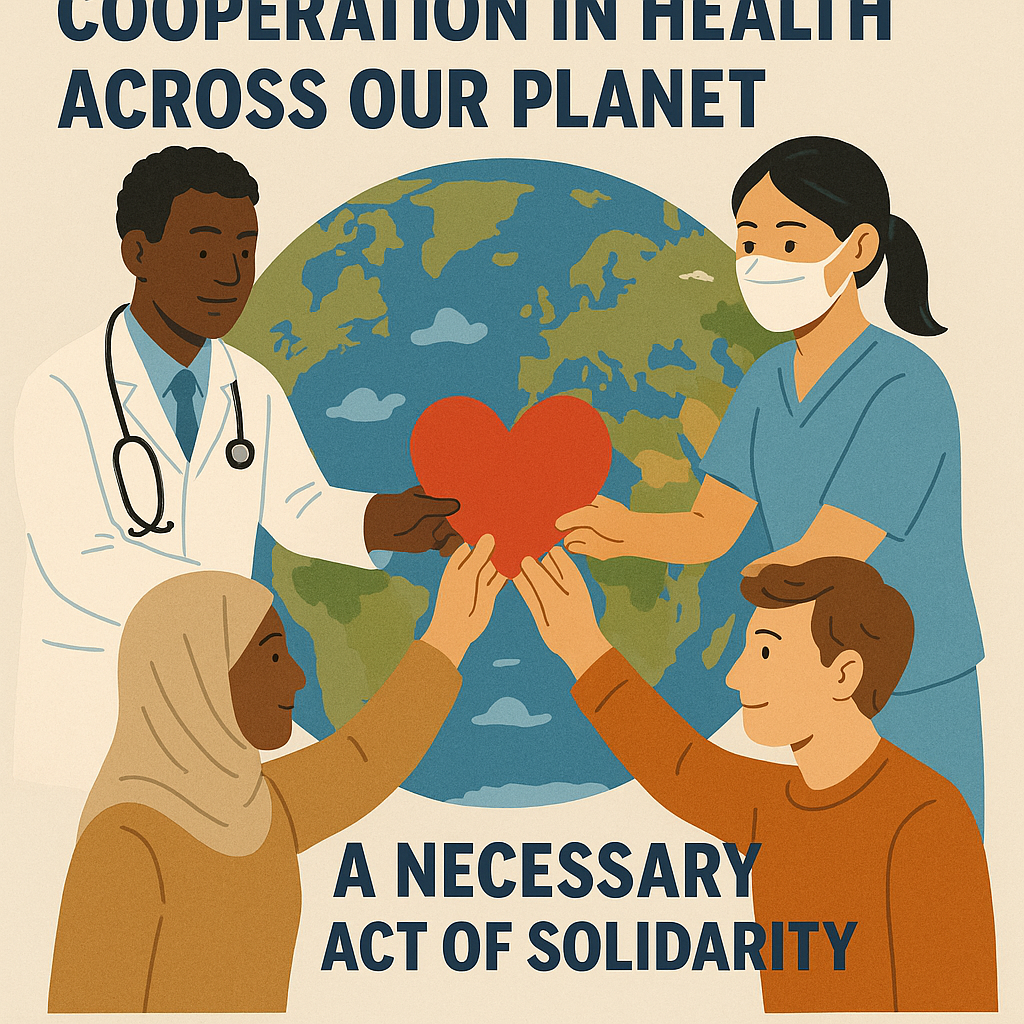
summary
Cooperation in health across the globe is increasingly recognized as a necessary act of solidarity, driven by the interconnected nature of health challenges that transcend national borders. The emergence of global health issues such as infectious disease outbreaks, the rise of non-communicable diseases, and the impacts of climate change underscore the urgent need for collective action among nations. Notably, historical events such as the influenza pandemic of 1918 and the HIV/AIDS crisis have illustrated that national health systems are often inadequate for managing transnational health threats, prompting the establishment of frameworks like the World Health Organization (WHO) to foster international collaboration and promote health equity across all regions of the world.
The necessity for cooperation is further underscored by the ongoing challenges posed by pandemics, as highlighted by the COVID-19 crisis, which revealed the vulnerability of healthcare systems worldwide and the critical role of joint efforts in effectively managing public health emergencies.
Moreover, the growing burden of non-communicable diseases, exacerbated by social and economic disparities, emphasizes the importance of equitable health interventions that can be achieved only through global partnerships.
Engaging in health diplomacy and strengthening collaborative networks not only enhances health outcomes but also fosters trust and solidarity among nations, laying the groundwork for a more resilient global health architecture.
Despite the clear benefits of global health cooperation, significant barriers remain, including structural inequalities, financial constraints, and cultural differences that complicate collaborative efforts. Addressing these challenges requires a commitment to equitable resource distribution, mutual respect, and the inclusion of diverse voices in decision-making processes.
By prioritizing solidarity and cooperative frameworks, the international community can advance towards a healthier future, where all individuals have access to quality healthcare, regardless of geographical or economic status.
In summary, fostering cooperation in health is not merely an ethical imperative but a vital strategy for ensuring global health security, promoting equity, and addressing the complex interplay of factors that contribute to health disparities. As the world continues to face emerging health threats, the need for solidarity in global health efforts has never been more critical.
Historical Context
The evolution of global health cooperation has been shaped by a variety of historical events that underscore the necessity of solidarity in addressing health challenges. Throughout the 20th century, major health crises, such as the influenza pandemic of 1918 and the emergence of HIV/AIDS in the 1980s, highlighted the limitations of national health systems in managing diseases that cross borders. These events prompted a shift towards a more collaborative approach to health, recognizing that infectious diseases do not adhere to geopolitical boundaries and that international cooperation is vital for effective public health responses. In the wake of these health crises, international organizations like the World Health Organization (WHO) were established to facilitate global cooperation in health. The WHO’s founding principles emphasized the need for collective action to improve health outcomes worldwide, particularly in low- and middle-income countries (LMIC), which often face the greatest challenges in health service delivery. This framework has evolved to include a wider array of stakeholders, such as governmental and funding partners from high-income countries (HIC), which have increasingly engaged in leadership roles alongside health workers from LMIC. The late 20th and early 21st centuries witnessed a further expansion of global health partnerships, fueled by the recognition of social determinants of health and the role of globalization in health outcomes. Notably, the WHO Commission on the Social Determinants of Health emphasized the importance of addressing inequalities and fostering collaborations across sectors to promote health equity. These principles were put to the test during the COVID-19 pandemic, which underscored the interdependence of nations in combating global health threats and the urgent need for a unified response. The integration of innovative research and collaborative strategies has also played a critical role in the historical development of global health cooperation. The COVID-19 pandemic prompted unprecedented levels of data sharing and collaboration among researchers worldwide, demonstrating that complex health problems require diverse expertise and unified action. This trend aligns with historical precedents where collective efforts have led to significant advancements in public health, from vaccine development to health policy formulation, reinforcing the idea that global health is a shared responsibility that demands solidarity across nations and communities.
Current Global Health Challenges
The landscape of global health is marked by a series of interconnected challenges that require a unified international response. Notably, the 21st century has seen the emergence and resurgence of infectious diseases, such as SARS, Ebola, Zika, and most recently COVID-19. These outbreaks highlight the porous nature of national borders and the vulnerabilities of healthcare systems worldwide, emphasizing that health issues are not confined by geographical boundaries.
Infectious Diseases and Global Health Security
Infectious diseases pose significant threats to global health security, necessitating robust systems for prevention, detection, and response. The increasing prevalence of antimicrobial resistance (AMR) exacerbates this threat, potentially rendering essential treatments ineffective and demanding a coordinated global effort to promote responsible antibiotic use and develop new therapies. The World Health Organization (WHO) has been actively involved in efforts to mitigate these risks, introducing initiatives such as the Immunization Agenda 2030, which aims to ensure equitable access to vaccines and immunization services worldwide.
Non-Communicable Diseases and Health Disparities
Alongside infectious diseases, the global burden of non-communicable diseases (NCDs), including cardiovascular disease, cancer, and diabetes, continues to rise, particularly in low- and middle-income countries (LMICs). These conditions necessitate long-term management and place a significant strain on health systems globally. Disparities in health outcomes, particularly among different racial and ethnic groups, further complicate this issue. For example, evidence suggests that Black populations, regardless of their country of residence, experience higher risks of conditions such as hypertension and diabetes, leading to significant health inequities.
The Impact of Climate Change
Climate change acts as a threat multiplier, worsening existing health challenges and generating new ones. The changing environment affects disease transmission patterns, food security, and access to clean water and sanitation, disproportionately impacting vulnerable populations. These evolving health challenges necessitate a multi-sectoral approach, recognizing the complex interplay of environmental, social, and economic factors that contribute to health disparities.
The Necessity for International Cooperation
The interrelated nature of these global health challenges underscores the importance of international cooperation. Collaborative efforts are crucial for managing pandemics, promoting health equity, and addressing the social determinants of health that perpetuate inequalities. The need for effective and equitable health interventions is paramount, as health disparities not only affect individual well-being but also threaten global stability and security. Achieving sustainable development and improving health outcomes worldwide hinges on a concerted global agenda that prioritizes health equity and solidarity among nations.
Benefits of Cooperation in Health
Cooperation in health offers a multitude of benefits that contribute to improved health outcomes globally. These advantages can be categorized into several key areas.
Enhanced Research and Development Capabilities
Collaborative partnerships, particularly with developing countries, enable access to diverse populations and varying disease burdens, which enrich research opportunities.
This collaborative approach accelerates the development of new diagnostics, treatments, and vaccines by conducting clinical trials and epidemiological studies in varied settings, leading to more robust and generalizable data for effective interventions across populations.
Such cooperation also fosters scientific capacity building within developing countries, thereby strengthening the global health research infrastructure.
Improved Global Health Security
Stronger cooperation enhances global health security by mitigating the risks of cross-border health threats. Transparency and accountability are fundamental components of this framework, ensuring effective resource utilization and program success.
By investing in health systems in developing countries, the international community helps create stronger health systems that can detect, contain, and respond to outbreaks at their source, thus preventing them from escalating into global pandemics.
Collaborative surveillance systems and joint training exercises further enhance preparedness and response capabilities worldwide.
Capacity Building and Sustainable Health Systems
True partnerships emphasize capacity building within developing countries, prioritizing self-reliance and long-term sustainability.
This involves investments in health workforce development, infrastructure enhancements, and improved data capabilities, which contribute to resilient and responsive health systems. Moving away from short-term project deliverables to focus on long-term capacity building can lead to more effective health interventions that are culturally appropriate and aligned with national development goals.
Improved Access to Health Technologies
Cooperation facilitates access to essential health technologies, medicines, vaccines, and diagnostics. This is particularly important in addressing non-communicable diseases (NCDs) that require long-term management and often strain health systems.
The collaboration allows for a multi-sectoral approach that encompasses prevention, early detection, and affordable access to quality care, crucial for vulnerable populations impacted by rising health challenges exacerbated by factors like climate change.
Strengthened Diplomatic Ties and Global Influence
Engaging in genuine health partnerships fosters trust and mutual understanding between nations. Health diplomacy, underpinned by shared health goals, can bridge political divides and enhance international relations.
By demonstrating commitment to global health solidarity, developed countries can strengthen their global standing and influence, promoting a more cooperative international environment in health matters.
Increased Ownership and Agency for Developing Countries
Cooperation empowers developing nations to take the lead in shaping their health interventions. By involving local communities and governments in program design and implementation, initiatives are more likely to be culturally relevant and sustainable.
This approach not only fosters accountability but also strengthens local commitment to the success of health programs.
Case Studies
Engagement of Marginalized Populations
Several case studies have explored effective strategies for engaging marginalized populations in the design and delivery of health services. For example, initiatives in Ontario have illustrated how involving community members from underrepresented groups can enhance program effectiveness and equity. These efforts aim to ensure that health services are culturally sensitive and meet the specific needs of diverse communities, thereby reducing health disparities.
HIV/AIDS Treatment Expansion
A landmark study highlighted the significant global advancements in the treatment of HIV/AIDS over the past few decades. It emphasized the successes achieved through collaborative efforts, which have led to expanded access to treatment. However, the same study noted that the COVID-19 pandemic exacerbated existing inequities, disproportionately affecting countries with limited resources. These findings suggest a pressing need for governments to prioritize equitable pandemic preparedness and maintain the momentum gained in improving health outcomes for vulnerable populations.
COVID-19 Research Collaboration
The COVID-19 pandemic prompted an unprecedented global research initiative, marked by extensive collaboration among healthcare researchers from various disciplines. This multi-faceted approach aimed to mitigate the pandemic’s impact by sharing data, expertise, and resources. Teams were organized to manage COVID-19 research efforts efficiently, leading to the production of a substantial volume of scientific literature. This collaborative framework not only enhanced the quality of research but also facilitated the rapid development of responses to emerging health threats, showcasing the effectiveness of cross-disciplinary cooperation.
Global Health Partnerships
Numerous global health partnerships have been established to address pressing health issues by leveraging the strengths of diverse stakeholders, including public and private sectors, non-governmental organizations, and academic institutions. These alliances have demonstrated their value in raising awareness of unmet health needs, supporting coordination efforts, and providing financial assistance to countries. A clear framework established by the World Health Organization (WHO) guides the engagement in these partnerships, emphasizing the necessity of added public health value in collaborative initiatives.
Lessons from Historical Health Initiatives
Historically, programs such as the Global Fund and the Polio Global Eradication Initiative have illustrated the power of global cooperation in addressing health crises. These initiatives have not only mobilized resources but also fostered a spirit of solidarity among nations, underscoring the importance of collective action in combating diseases that transcend borders. As we continue to face complex global health challenges, the lessons learned from these successful collaborations are invaluable for shaping future responses.
Barriers to Cooperation
Cooperation in global health is fraught with several barriers that hinder effective collaboration among nations and communities. These barriers stem from structural inequalities, differing priorities, and historical power dynamics that complicate the pursuit of equitable health solutions.
Structural Inequalities
One significant barrier to cooperation is the traditional North-South paradigm, which often perpetuates power imbalances between developed and developing countries. This unidirectional flow of resources can undermine local ownership and agency, leading to a dependency on external aid that stifles the development of sustainable health solutions. The inherent limitations of this framework highlight the need for genuine partnerships that foster mutual respect and shared responsibility among communities, regardless of their economic status.
Financial and Resource Constraints
Financial limitations are another critical obstacle to effective health cooperation. Many developing nations struggle with inadequate funding and infrastructural capabilities to address public health issues independently. Consequently, reliance on external funding can create a cycle of dependency, where recipient countries become less equipped to manage their health systems autonomously. Moreover, funding mechanisms can sometimes restrict the participation of vulnerable partners, exacerbating existing inequalities. This dynamic can create tension among partners, especially when contributions are perceived as unequal, complicating collaborative efforts further.
Engagement and Decision-Making Challenges
Effective partnerships often face challenges related to engagement and decision-making processes. While many collaborative efforts exist, the lack of meaningful involvement from all stakeholders can result in contractual relationships rather than true partnerships. This can limit the ability of all parties to contribute equitably to the program or activity, thereby undermining the potential for joint ownership and shared success. For cooperation to be effective, it must be inclusive and involve all relevant stakeholders, including local communities, healthcare providers, and scientific institutions.
Political and Cultural Barriers
Political and cultural challenges also pose significant barriers to global health cooperation. Shifting power dynamics and challenging entrenched interests can be difficult, as these efforts often require collective mobilization and transformative leadership. The complexity of diverse national, religious, and ethnic identities necessitates a nuanced approach to building trust and solidarity among different groups. Furthermore, to create a system of global health that truly serves all, it is imperative to address the historical contexts of exploitation and oppression that continue to affect marginalized communities.
Recognition of Intersecting Factors
Understanding and addressing the intersecting factors contributing to health inequities is essential for developing effective interventions. The intersectionality of social conditions like poverty and marginalization with racial issues exacerbates health disparities, complicating efforts to achieve equitable health outcomes. A comprehensive strategy must recognize these complexities and involve a holistic approach to health that transcends simple metrics of success.
Strategies for Enhancing Cooperation
Framework for Global Health Cooperation
Adopting a new framework for global health cooperation is essential for addressing health disparities and enhancing resilience. This framework should be founded on principles of mutual respect, transparency, and accountability, with an emphasis on sustainable capacity building and equitable access to health resources. By valuing the expertise and agency of developing countries, we can foster a more inclusive and democratic global health architecture, ensuring that diverse contributions are acknowledged and integrated into decision-making processes.
Models of International Collaboration
Different models of international collaboration play a crucial role in shaping health partnerships. South–South cooperation involves collaborations primarily between developing countries, focusing on knowledge sharing and resource pooling without significant input from developed nations. North–South cooperation represents the traditional development assistance model, while triangular cooperation incorporates partnerships between two developing nations facilitated by a developed country. Multi-partner cooperation extends to a variety of stakeholders, including governments, NGOs, and private sectors, allowing for more comprehensive and flexible approaches to health challenges.
Equitable Access to Health Resources
Equitable access to essential health resources such as medicines, vaccines, and diagnostics is paramount. Strategies to promote this access include innovative financing mechanisms, technology transfer, and joint manufacturing agreements. Strengthening multilateral institutions, particularly the World Health Organization (WHO), is vital for effective global health governance. Reforming these institutions to ensure greater representation and participation from developing countries will create a more balanced and democratic health architecture, essential for addressing global health needs effectively.
Strengthening Cross-Border Cooperation
Intercountry cooperation is a key enabler of resilience, enhancing responses to health crises through shared resources and expertise. This includes addressing gaps in services, especially in border regions, and ensuring that healthcare access is equitable. Factors that facilitate cross-border cooperation include comprehensive knowledge of local contexts, active stakeholder involvement, and citizen participation in cooperative projects aimed at addressing healthcare bottlenecks.
Capacity Building and Knowledge Sharing
Building local capacities through training healthcare workers in developing countries is vital for strengthening public health systems. This exchange of knowledge not only enhances local ownership but also improves the long-term effectiveness of health initiatives. Academic and practical collaborations focused on global health issues can provide the necessary insights and methodologies to develop policies that address root causes of health disparities.
Commitment to Global Solidarity
Finally, fostering a commitment to global solidarity is essential to overcome inequities in health systems worldwide. This involves active participation from all stakeholders, including governmental and funding partners, to create a more equitable health landscape. Advocacy for a solidarity-based framework can guide future policy reforms and set research priorities that prioritize collective health outcomes over individual interests.